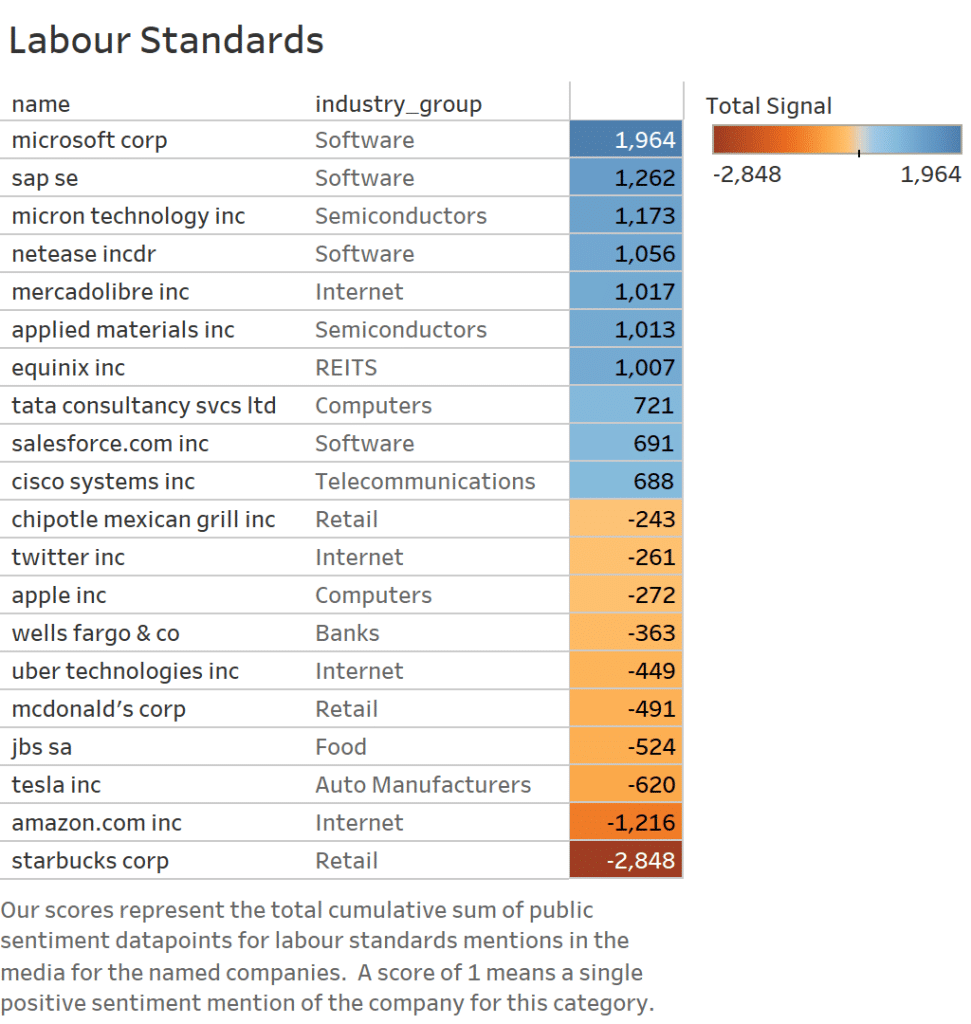
In today’s ever-changing financial landscape, understanding the key factors that impact Amazon Inc stock price is crucial for investors and analysts alike. With its rapid growth and innovative business model, Amazon has become one of the most closely watched stocks in the market. However, the company’s stock price can be highly volatile, influenced by a variety of factors.
This article will delve into the key drivers that impact Amazon Inc stock price, providing readers with valuable insights to navigate the volatility. From analyzing Amazon’s financial performance to exploring market trends and the competitive landscape, we will examine the forces that shape the company’s stock price.
By understanding these crucial factors, investors can make more informed decisions about when to buy, sell, or hold Amazon Inc stock. Whether you’re a seasoned investor or someone just starting to explore the world of stocks, this article will equip you with the knowledge you need to navigate Amazon’s stock price fluctuations with confidence. So let’s dive in and unravel the mysteries behind this e-commerce giant’s stock!
Was Amazon priced above its value?
First let’s deal with the question on everybody’s lips – was Amazon priced above its value? In recent years, Amazon has become a cornerstone of the tech stocks sector, captivating Wall Street with its dominance in online retail and innovative ventures. However, a key question that has surfaced repeatedly among analysts and investors is whether Amazon was priced above its intrinsic value, especially given its towering market position.
Under the leadership of Andy Jassy, Amazon has continued to expand its reach, yet the rapid rise in Amazon shares has led to debates about whether the stock price accurately reflects the company’s long-term fundamentals. Events like Amazon Prime Day have driven short-term spikes in AMZN stock, but these price movements often prompt a reevaluation of its true market value.
Analysts have set various price targets for Amazon, reflecting a wide range of expectations. While some argue that the company’s expansive growth potential justifies its high valuation, others caution that the stock may be overvalued, particularly when comparing its performance to the broader S&P 500. Despite Amazon’s impressive net income figures, concerns about whether its stock price exceeds its actual worth have persisted.
As tech stocks continue to fluctuate, the debate over Amazon’s valuation underscores the complexities of investing in a company that plays a pivotal role in online retail. Analysts expect that as Amazon continues to diversify and innovate, the question of whether it is priced above its value will remain a central discussion point, especially as investors weigh the potential long-term returns against the current market price.
Factors affecting Amazon Inc stock price
Amazon’s stock price is influenced by a multitude of factors, both macroeconomic and industry-specific. Understanding these factors is essential to gain insight into the company’s stock price movements.
Macroeconomic factors impacting Amazon Inc stock price
Macroeconomic factors, such as interest rates, inflation, and GDP growth, play a significant role in influencing Amazon’s stock price. When the economy is thriving, consumers have more disposable income, which can translate into increased sales for Amazon. Conversely, during economic downturns, consumers may cut back on discretionary spending, impacting Amazon’s revenue and, subsequently, its stock price.
Additionally, global economic conditions, geopolitical events, and currency fluctuations can impact Amazon’s stock price. For example, trade tensions between countries can disrupt supply chains and affect global consumer sentiment, potentially impacting Amazon’s international operations and stock price.
Industry-specific factors influencing Amazon Inc stock price
As the dominant player in the e-commerce industry, Amazon’s stock price is highly influenced by industry-specific factors. One crucial factor is the company’s ability to innovate and adapt to changing consumer preferences. Amazon’s success is driven by its ability to introduce new products and services, expand into new markets, and disrupt traditional retail models. New product launches, technological advancements, and the success of Amazon’s Prime membership program can all impact the company’s stock price.
Furthermore, competition within the e-commerce industry is fierce, with major players like Walmart and Alibaba vying for market share. Changes in market dynamics, new entrants, or strategic moves by competitors can impact investor sentiment and, consequently, Amazon’s stock price.
Financial performance and earnings reports
Amazon’s financial performance, including its revenue growth, profitability, and cash flow, is closely scrutinized by investors. Positive financial results can drive investor confidence and contribute to an increase in the company’s stock price. On the other hand, disappointing earnings reports or downward revisions in revenue forecasts can lead to a decline in Amazon’s stock price.
Investors closely monitor key financial metrics such as revenue per share, operating margin, and return on equity to assess Amazon’s financial health and future prospects. Additionally, guidance provided by Amazon’s management during earnings calls can significantly impact investor sentiment and influence the stock price.
Market sentiment and investor behaviour
Market sentiment and investor behaviour play a crucial role in determining Amazon’s stock price. Investor sentiment can be influenced by a variety of factors, including news coverage, social media trends, and analyst reports.
Positive news, such as announcements of new partnerships or product launches, can generate optimism among investors and drive up Amazon’s stock price. Conversely, negative news, such as regulatory concerns or data breaches, can create uncertainty and lead to a decline in the stock price.
Social media platforms, like Twitter and Reddit, have become increasingly influential in shaping investor sentiment. Online discussions and trends can quickly spread, impacting how investors perceive Amazon and its stock. It is important for investors to critically evaluate the information they encounter on social media, as it can sometimes be misleading or driven by speculative interests.
Analyst reports and recommendations also have a significant impact on investor sentiment. Analysts closely follow Amazon’s performance and provide recommendations on whether to buy, sell, or hold the stock. These recommendations can influence investors’ decisions and contribute to stock price movements.
Regulatory and legal factors affecting Amazon Inc stock price
Regulatory and legal factors can have both direct and indirect impacts on Amazon’s stock price. As a large corporation with a global footprint, Amazon is subject to various regulations and legal challenges.
For instance, antitrust concerns have been raised regarding Amazon’s market dominance and potential anti-competitive practices. Regulatory actions or investigations related to these concerns can create uncertainty and negatively impact Amazon’s stock price.
Furthermore, changes in tax laws or regulations related to e-commerce can affect Amazon’s profitability and, consequently, its stock price. Investors closely monitor any potential regulatory changes that may impact Amazon’s business operations and financial performance.
Competitor analysis and market dynamics
Amazon operates in a highly competitive environment, competing with both traditional retailers and e-commerce giants. Monitoring competitor activity and market dynamics is essential for understanding Amazon’s stock price movements.
Changes in market share, new product launches, or strategic acquisitions by competitors can impact investor sentiment towards Amazon. For example, if a competitor gains significant market share or introduces a disruptive technology, investors may question Amazon’s future growth prospects, potentially leading to a decline in the stock price.
Investors also closely follow Amazon’s expansion into new markets and industries. Amazon’s foray into cloud computing with Amazon Web Services (AWS) and its entry into the healthcare industry with the acquisition of PillPack are examples of strategic moves that can impact investor perception and influence the stock price.
Analyst recommendations and investor sentiment
Analyst recommendations and investor sentiment can have a significant impact on Amazon’s stock price. Analysts closely follow Amazon’s performance and provide recommendations to investors based on their assessment of the company’s financial health and future prospects.
Positive recommendations from reputable analysts can generate optimism among investors and contribute to an increase in Amazon’s stock price. Conversely, negative recommendations or downgrades can lead to a decline in the stock price as investors re-evaluate their positions.
Investor sentiment, influenced by factors such as news coverage and social media trends, can also impact Amazon’s stock price. Positive investor sentiment can create buying pressure, driving up the stock price. Conversely, negative sentiment can lead to selling pressure, causing the stock price to decline.
Conclusion and key takeaways
Understanding the key factors that impact Amazon’s stock price is essential for investors seeking to navigate the volatility of the market. Macroeconomic factors, industry-specific dynamics, financial performance, market sentiment, regulatory and legal factors, competitor analysis, and analyst recommendations all play a role in shaping Amazon’s stock price.
Investors should carefully consider these factors and conduct thorough research before making investment decisions. It is essential to stay informed, analyze trends, and critically evaluate information to make well-informed decisions about buying, selling, or holding Amazon stock.
Navigating the volatility of Amazon’s stock price requires diligence, patience, and a deep understanding of the company’s business model and the factors that drive its performance. By arming themselves with knowledge and staying informed, investors can make more informed decisions and confidently navigate Amazon’s stock price fluctuations.
Found this article useful? Why not read our other articles on the key factors that affect Advance Micro Devices stock price, Lucid stock price, Tencent Holdings stock price, Berkshire Hathaway stock price, Nvidia stock price, Google stock price, Microsoft stock price, Tesla stock price and Apple stock price.
Revolutionize your trading strategy with Permutable’s cutting-edge solutions
At Permutable AI, our expertise powers your strategy, facilitating human-to-AI knowledge transfer and offering a unique edge in discerning investor sentiment, from global macro trends to corporate happenings. With over 1.1 million companies tracked across 120 countries and natural language processing inspired by GPT-4, our real-time insights transform trading. Plus, our state-of-the-art machine learning trading platform, R2, systematically pinpoints entry points for various securities. Join us on the journey to reimagine your trading. Get in touch below to find out more.
Get in touch