Nvidia (NASDAQ: NVDA) has long been a darling of the stock market, consistently outperforming expectations. But the story of how this tech giant came to dominate the semiconductor industry is a fascinating tale of innovation and foresight. In this article – and as the market’s thoughts turned towards the Nvidia stock price target 2025 – get our thinking on why we thinking that Nvidia will keep up its strong performance on into 2025 and beyond.
Founded in 1993, Nvidia initially focused on developing graphics processing units (GPUs) for the gaming industry. However, the company’s visionary leadership soon recognised the potential applications of its technology beyond gaming. This foresight has been instrumental in shaping Nvidia’s trajectory and, consequently, its stock price performance.
By the time Nvidia had established itself as a leader in graphics processing units, the company was already eyeing new horizons. Consider the facts: Nvidia’s expansion into AI, data centres, and autonomous vehicles has positioned it as a multifaceted tech powerhouse, significantly influencing the Nvidia Stock Price Target 2025.
The company’s diversification strategy has been nothing short of remarkable. Nvidia has leveraged its GPU technology to become a key player in the AI and machine learning space. Its data centre solutions have gained significant traction, particularly as businesses increasingly rely on cloud computing and big data analytics. And then, let’s not forget Nvidia’s forays into autonomous vehicle technology have positioned it at the forefront of this emerging industry.
One thing is for certain, there is no prospect of Nvidia’s growth slowing anytime soon, an opinion that is backed up by most analysts. However, many seasoned onlookers see this optimism as potentially overblown. This is the context in which we must evaluate Nvidia’s stock price target for 2025. The bullish sentiment surrounding Nvidia is largely driven by the company’s strong financial performance and its positioning in high-growth markets. Yet, some analysts caution against unbridled optimism, citing factors such as intense competition and potential market saturation.
The same goes for understanding the factors influencing Nvidia’s future performance. Like much of the tech industry, Nvidia’s fortunes are tied to market trends, technological advancements, and the competitive landscape. Insiders say that Nvidia’s ability to stay ahead of the curve will be crucial in maintaining its market dominance and achieving the projected Nvidia Stock Price Target 2025.
Key factors to consider include:
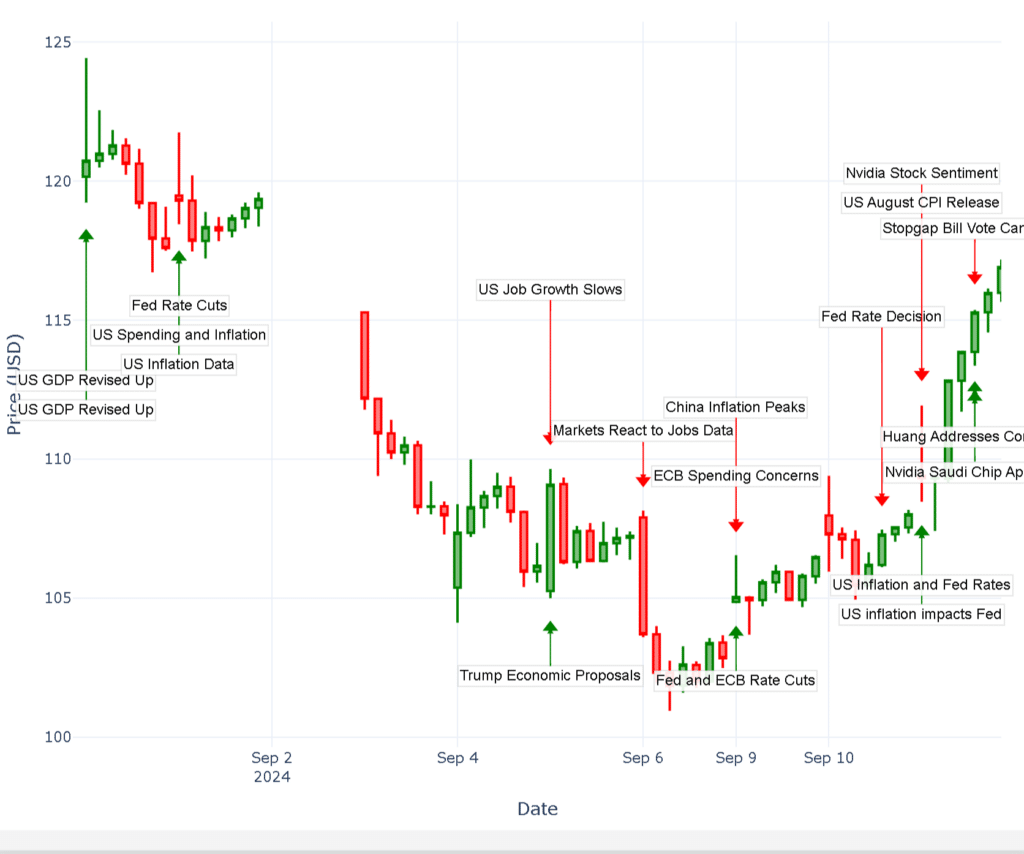
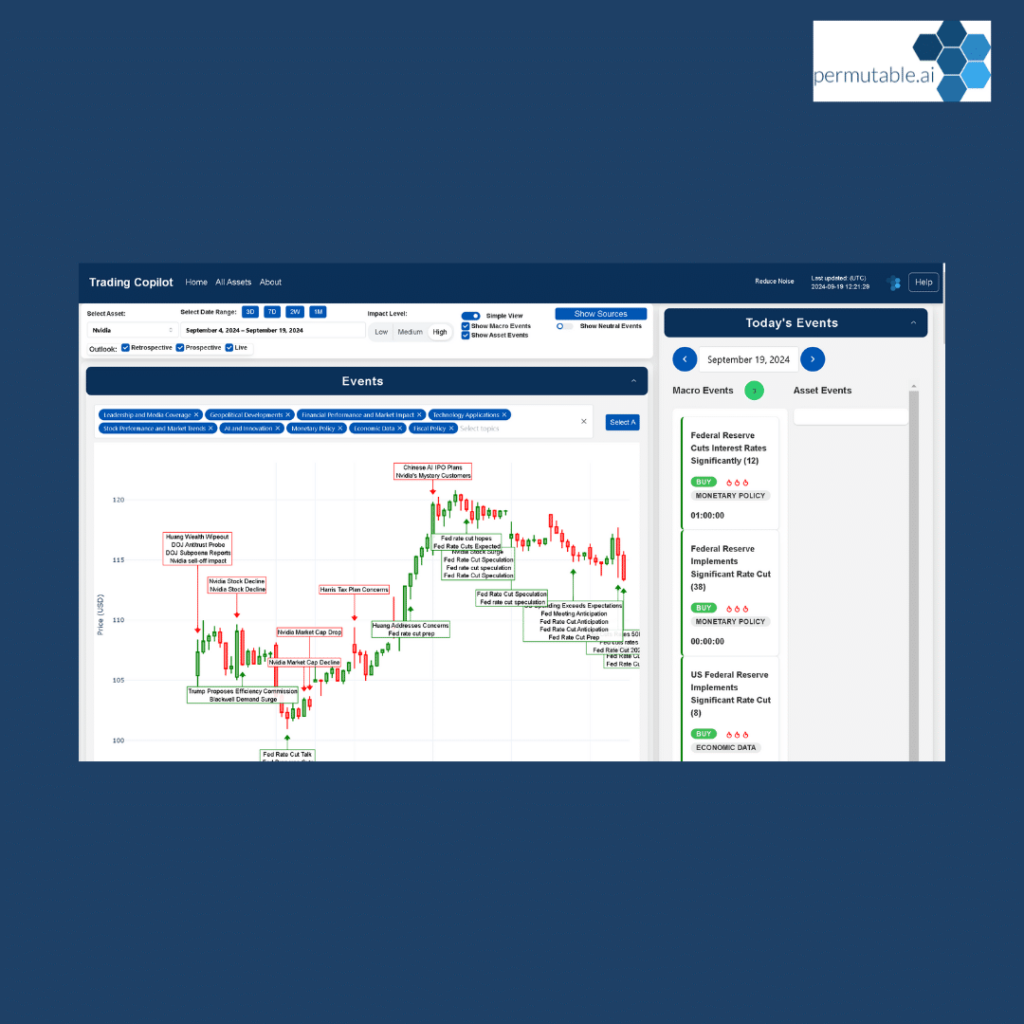
Above: Insights on factors influencing Nvidia stock price taking from our Trading Co-Pilot
The reason for all this is fairly straightforward: innovation drives growth in the tech sector. Many believe that Nvidia’s robust product pipeline, including its next-generation Ampere GPU architecture, will continue to fuel its success. These are not isolated developments; they represent a broader strategy of diversification and expansion that could significantly impact the Nvidia stock price target 2025.
Nvidia’s commitment to innovation is evident in its substantial R&D investments. In fiscal year 2024, the company spent $8.68 billion on R&D, representing a significant portion of its revenue. This focus on innovation has allowed Nvidia to maintain its technological edge and expand into new markets.
Why did this happen? The semiconductor crisis has highlighted the importance of companies like Nvidia. Indeed, the recent shortage has only underscored Nvidia’s critical role in global technology infrastructure, potentially boosting its stock price target for 2025.
The global chip shortage has created both challenges and opportunities for Nvidia. While it has faced supply constraints, the increased demand and higher prices have positively impacted its revenue. Moreover, the crisis has emphasised the need for investment in semiconductor manufacturing, potentially benefiting companies like Nvidia in the long run.
It normally just takes a cursory glance at Nvidia’s financials to understand its potential. Such doubts voiced by skeptics quickly withered away when Morgan Stanley recently raised its price target for Nvidia. Then there was also Piper Sandler’s taking it from $120 to $140. Both these moves undoubtedly contribute to an optimistic Nvidia stock price target 2025 with many believing it could reach between $200 and $225, or somewhere in the middle at around $215.
These analyst predictions reflect a growing consensus about Nvidia’s potential for continued growth. The company’s strong financial performance, coupled with its strategic positioning in high-growth markets, has led many analysts to revise their price targets upwards.
It may, however, already be too late for investors hoping to catch Nvidia at a bargain price. Of course, this doesn’t mean the stock lacks growth potential. It’s the same with many high-performing tech stocks; the question is not if they will grow, but by how much, especially when considering the Nvidia stock price target 2025. As with all things, investors should consider their risk tolerance and investment horizon when evaluating Nvidia’s stock. While the potential for significant returns exists, the stock’s high valuation may also imply higher volatility.
The mists created by initial hype are lifting, revealing a clearer picture of Nvidia’s potential going forward. While the road to 2025 may be fraught with challenges, Nvidia’s track record of innovation and adaptability suggests a promising outlook for investors willing to weather potential storms in pursuit of long-term gains, as reflected in the optimistic Nvidia stock price target 2025.
Of course, while the Nvidia stock price target 2025 paints an optimistic picture, investors should approach it with a balanced perspective. Nvidia’s strong market position, innovative culture, and exposure to high-growth markets provide a solid foundation for future growth. However, the tech industry’s dynamic nature and potential macroeconomic challenges necessitate careful consideration and ongoing monitoring of one’s investment strategy.
Disclaimer: The information provided by Permutable AI is for informational purposes only and does not constitute financial advice, investment advice, or a recommendation to buy, sell, or hold any securities. While we strive to provide accurate and up-to-date information, we do not guarantee the completeness, accuracy, or reliability of the data. All investments involve risks, including the loss of principal. Past performance is not indicative of future results. Users are advised to conduct their own independent research and consult with a licensed financial advisor before making any investment decisions. Permutable AI, its affiliates, or its employees shall not be held liable for any losses or damages resulting from reliance on the information provided.
Looking for more stock price predictions? See below for:
Intel stock price prediction 2025
Nio stock price prediction 2025
Palantir stock price prediction 2030
Microsoft stock price prediction 2025
DJT stock price prediction 2025
At first glance, attempting an Amazon stock price prediction 2030 might seem like a Herculean task, fraught with uncertainties and variables. Dip beneath the surface though, and you’ll find a fascinating landscape of data, trends, and expert insights that paint a compelling picture of the e-commerce giant’s future. At Permutable, we always approach stock predictions with a blend of confidence and humility, leveraging cutting-edge technology while acknowledging the inherent uncertainties of the market. With that in mind, this article will take a look at what you can expect in terms of an Amazon stock price prediction 2030, and key factors to consider.
Amazon’s journey from an online bookstore to a global tech behemoth mirrors the broader shift in consumer behaviour and the digital transformation of commerce. Yet the reality is that Amazon’s continued dominance is not guaranteed. A skeptic might say that the company’s rapid growth is unsustainable. That’s a difficult thing to admit for many Amazon bulls, but it’s a consideration that can’t be ignored.
No business operates in a vacuum, and Amazon is no exception. The company’s stock price is influenced by a myriad of factors, creating a complex web of influences that shape its market value. This is unlikely to change any time soon.
Amazon’s core business remains e-commerce, and its growth in this sector will significantly impact its stock price in 2030. While e-commerce penetration continues to increase globally, the pace of growth in mature markets like the United States may slow. However, emerging markets present significant opportunities for expansion. The picture varies between different regions, with some markets approaching saturation while others are just beginning to embrace online shopping at scale.
Amazon Web Services (AWS) has been a major driver of the company’s profitability and stock price growth. By 2030, the cloud computing landscape may look quite different, with increased competition from Microsoft Azure, Google Cloud, and other players. However, AWS’s first-mover advantage and continuous innovation could help maintain its leadership position. The bigger picture, though, is that the overall cloud market is expected to grow substantially, potentially offsetting any market share losses.
A frisson of fear runs through some investors when considering the regulatory challenges Amazon faces. These are not idle concerns. The world is taking notice of Amazon’s market power, and regulatory scrutiny is intensifying. Addressing this, though, would not be enough to derail Amazon’s growth trajectory entirely. The company’s diversified business model and global presence provide some insulation against regional regulatory actions.
The macroeconomic environment will play a crucial role in Amazon’s performance leading up to 2030. Factors such as inflation, interest rates, and overall economic growth will impact consumer spending patterns and, consequently, Amazon’s revenues. Coming out of a brutal period marked by the global pandemic, supply chain disruptions, and economic uncertainty, Amazon has shown remarkable resilience. However, the potential for economic downturns or shifts in consumer behavior remains a consideration in long-term stock price predictions.
Central to that revolution is Amazon’s continued investment in cutting-edge technology. From AI and machine learning to robotics and drone delivery, Amazon is at the forefront of innovation. Much of that is still from the research and development stage, but the potential impact on Amazon’s future value is significant. By 2030, we may see Amazon making significant inroads into new markets such as healthcare, financial services, or even space technology.
By most accounts, Amazon’s stock price is poised for growth by 2030. According to forecasts, Amazon’s stock could reach $838.29 by 2030, representing a potential 349.17% increase from its current price. This argument holds water when considering Amazon’s historical performance and future growth prospects. Meanwhile, anecdotal evidence of Amazon’s continued relevance in consumers’ lives abounds. From e-commerce to cloud computing, streaming services to smart home devices, Amazon’s reach extends far and wide. This ubiquity in daily life supports the bullish case for Amazon’s long-term stock performance.
While the outlook for Amazon appears generally positive, several challenges and uncertainties could impact its stock price by 2030:
Again, these are not idle concerns, and their potential impact should be carefully considered when making long-term investment decisions.
So, why does Amazon continue to captivate investors and analysts alike? The answer lies in the company’s ability to innovate, adapt, and expand into new markets. If you want to break things down to one simple theme, it’s that no one understands this unique combination of change and stability quite like Amazon.
All of which leads to perhaps the most important question: What should investors do with this information? Fortunately, Permutable AI’s Trading Co-Pilot, currently in BETA, will soon be launching to help provide a safe pair of hands for stock trading. Our philosophy has always been to provide data-driven insights while acknowledging the inherent uncertainties in long-term stock predictions, but for the short term, our Co-Pilot will provide you with the real-time information you need to fine tune your investment strategies (more on that below).
When all is said and done, predicting Amazon’s stock price for 2030 is an exercise in informed speculation. In the wake of recent market volatility and economic uncertainty, it’s more important than ever to approach such predictions with a balance of optimism and caution.
So, rather than fixating on a specific price target, investors would be wise to focus on Amazon’s fundamentals, its competitive position, and its ability to innovate. The second hit is to keep a close eye on regulatory developments and global economic trends that could impact the company’s growth trajectory.
While this may paint a complex picture for potential investors, the bigger picture, though, is that Amazon has consistently demonstrated its ability to adapt and thrive in changing market conditions. From its humble beginnings as an online bookstore to its current status as a global tech giant, Amazon has repeatedly defied expectations and reshaped entire industries.
While the exact stock price of Amazon in 2030 remains uncertain, the company’s potential for continued growth and innovation is clear. As always, Permutable AI remains committed to providing insightful, data-driven analysis to help investors navigate the complex world of stock market predictions. By staying informed, adapting to market changes, and maintaining a long-term perspective, investors can position themselves to potentially benefit from Amazon’s future growth while managing the inherent risks of stock market investing.
Are you ready to embrace the future of trading? Permutable AI’s Trading Co-Pilot, powered by advanced machine learning, provides real-time insights and context-aware strategies. Harness AI to analyse global sentiment and market events, giving your firm the edge with more precise, risk-aware trading decisions. Contact us at enquiries@permutable.ai or via the form below to explore how our Trading Co-Pilot can transform your trading approach.
Get in touch to register your interest to see how our Trading Co-Pilot can help you make smarter trading decisions, faster.
Disclaimer: The information provided by Permutable AI is for informational purposes only and does not constitute financial advice, investment advice, or a recommendation to buy, sell, or hold any securities. While we strive to provide accurate and up-to-date information, we do not guarantee the completeness, accuracy, or reliability of the data. All investments involve risks, including the loss of principal. Past performance is not indicative of future results. Users are advised to conduct their own independent research and consult with a licensed financial advisor before making any investment decisions. Permutable AI, its affiliates, or its employees shall not be held liable for any losses or damages resulting from reliance on the information provided.
Looking for more stock price predictions? See below for:
Intel stock price prediction 2025
Nio stock price prediction 2025
Palantir stock price prediction 2030
Microsoft stock price prediction 2025
DJT stock price prediction 2025
Nvidia Corporation, the global leader in GPUs (graphics processing units) and artificial intelligence, has become one of the most influential companies in the technology sector. With a strong foothold in gaming, data centres, and AI, Nvidia has consistently delivered exceptional financial performance, making it a favourite among investors. As we look ahead to 2030, the question on everyone’s mind is: where will Nvidia’s stock price be then? This article delves into key factors that could influence Nvidia stock price prediction 2030, providing an in-depth analysis and informed prediction.
Before diving into the NVIDIA stock price prediction 2030, it’s essential to understand Nvidia’s current position and its performance. Nvidia has continued to dominate the GPU market, thanks to its innovative products and strong demand across various sectors. The company has seen substantial growth, driven by the increasing adoption of AI, the ongoing expansion of cloud computing, and the sustained popularity of gaming. These factors, combined with strategic acquisitions and partnerships, have positioned Nvidia as a key player in the tech industry.
Nvidia’s 2024 stock price showed the company can adapt to a changing tech world. Throughout the year Nvidia cemented its position as a semiconductor leader, especially in gaming, AI and datacentre. These areas drove the company’s financials. In 2024 Nvidia’s stock went up big time, the market is betting on the long term. AI adoption across industries was a big factor in that. Nvidia’s GPUs are still the go to for AI and machine learning.
And the gaming segment, a core of Nvidia’s business, was strong. New game releases and eSports and VR growth drove demand for high end GPUs. That drove the stock up. Another big factor in Nvidia’s 2024 stock performance was the datacentre segment. As more businesses moved to the cloud, the need for advanced processing grew and Nvidia was well placed to benefit.
Nvidia’s AI driven processing and partnerships with major cloud providers helped drive revenue growth and the stock. But the stock wasn’t without its ups and downs. The market was volatile due to geopolitics, economic uncertainty and the ongoing supply chain issues. But Nvidia was able to navigate that.
Nvidia just shared its latest earnings showing off the company’s impressive financial results – reporting revenue for the second quarter ending July 28, 2024, of $30.0 billion, up 15% from the previous quarter and up 122% from a year ago – cementing its spot at the top of the tech world. The numbers beat what the market thought they’d be, thanks to strong demand for GPUs in important areas like gaming, data centers, and AI. Nvidia saw big jumps in revenue in its data center part of the business. This area has become a major money-maker as more companies move to cloud-based answers and need more powerful processing.
A key highlight from the earnings report was Nvidia’s AI business, which is following a strong upward trajectory. More and more industries, from healthcare to cars now use AI. This drives up demand for Nvidia’s top-notch GPUs leading to big gains in this area. This strong showing has boosted investor trust, with many experts now saying the stock price will go higher in the coming years.
But Nvidia also pointed out ongoing issues, like supply chain problems and global political risks that could slow future growth. Even with these hurdles, Nvidia is in a good spot to cash in on new chances in AI, gaming, and self-driving cars. This makes its stock look good for investors who want to hold for the long run.
AI and machine learning are at the heart of Nvidia’s future growth prospects. The company’s GPUs are essential components in AI applications, from data centres to autonomous vehicles. As AI continues to evolve and permeate various industries, the demand for Nvidia’s products is expected to increase significantly. By 2030, AI is projected to become even more integrated into everyday life, powering everything from healthcare diagnostics to financial services.
Nvidia’s leadership in AI hardware and software solutions positions it well to capitalise on this growth. If Nvidia continues to innovate and expand its AI capabilities, it could see substantial revenue growth, which would be a significant driver of its stock price.
Data centres are another critical growth area for Nvidia. As more businesses move to cloud-based solutions, the demand for data processing power has skyrocketed. Nvidia’s GPUs are a cornerstone of modern data centres, enabling companies to process vast amounts of data efficiently. The company’s data centre segment has already shown impressive growth, and this trend is expected to continue through 2030.
Nvidia’s strategic partnerships with cloud service providers and its ongoing innovations in data centre technology will be crucial in maintaining its competitive edge. If the data centre market expands as anticipated, Nvidia could see a significant boost in its stock price.
Gaming has been a core component of Nvidia’s business for decades, and it remains a significant revenue driver. With the gaming industry projected to grow further, driven by the rise of eSports, VR, and the increasing popularity of cloud gaming, Nvidia’s GPUs will continue to be in high demand. The concept of the Metaverse—a fully immersive virtual world—is gaining traction, with companies like Meta (formerly Facebook) and other tech giants investing heavily in its development.
Nvidia’s technology is expected to play a crucial role in building the infrastructure for the Metaverse, from high-performance GPUs to AI-driven content creation tools. If the Metaverse becomes a reality by 2030, Nvidia could see exponential growth, translating into a higher stock price.
Nvidia has also made significant inroads into the automotive sector, particularly in the development of autonomous vehicles. The company’s Drive platform is a comprehensive solution for self-driving cars, combining AI, data processing, and high-performance computing. By 2030, autonomous vehicles are expected to be more prevalent on roads worldwide, with Nvidia positioned as a key player in this market.
The success of Nvidia’s automotive initiatives, including partnerships with leading car manufacturers, could significantly impact its stock price, especially if autonomous vehicles gain widespread adoption.
While Nvidia’s future looks promising, it’s not without challenges. The semiconductor industry is highly competitive, with companies like AMD and Intel constantly innovating and pushing the boundaries of technology. Nvidia will need to continue to invest heavily in research and development to stay ahead of its competitors.
Additionally, the global semiconductor shortage, which has caused disruptions in various industries, could impact Nvidia’s supply chain and production capabilities. Although Nvidia has managed these challenges well so far, any prolonged supply chain issues could affect its ability to meet demand, potentially impacting its stock price.
Furthermore, geopolitical tensions, particularly between the US and China, could pose risks to Nvidia’s operations and global market reach. The company’s reliance on international markets means that any significant changes in trade policies or regulations could have a material impact on its business.
As of now, analysts are generally bullish on Nvidia’s long-term prospects. Many believe that the company’s strong position in AI, data centres, and gaming will continue to drive growth through 2030. Optimistic projections by analysts estimate the stock price could reach $3,300 by 2029, assuming the company continues to execute its strategy effectively and capitalises on emerging market opportunities.
However, more conservative estimates suggest that Nvidia’s stock could face headwinds if the company encounters significant challenges, such as intensified competition or regulatory issues. In this scenario, the stock might see more modest growth, potentially reaching around $800 to $1,000 per share by 2030.
Determining the Nvidia stock price prediction 2030 requires a careful consideration of multiple factors, including the company’s performance in AI, data centres, gaming, and autonomous vehicles, as well as the broader competitive landscape and potential challenges. Nvidia’s current trajectory suggests that it is well-positioned to capitalise on key growth areas, which could lead to substantial gains in its stock price over the next decade.
Investors should remain mindful of the risks associated with investing in a highly competitive and rapidly evolving industry. While Nvidia’s prospects are bright, the company will need to continue to innovate and adapt to maintain its market leadership.
If Nvidia can successfully navigate the challenges ahead and seize the opportunities presented by emerging technologies, its stock price could see significant appreciation by 2030. Whether you’re a long-term investor or a tech enthusiast, keeping an eye on Nvidia’s developments over the coming years will be crucial to understanding its future stock performance.
Are you ready to be part of the future of trading? At Permutable AI, we’re extending an exclusive opportunity to a select group of corporate partners to gain early access to our advanced Trading Co-Pilot, powered by cutting-edge machine learning for contextual understanding.
This is a rare chance to stay ahead of the competition by leveraging AI that not only processes data but also grasps the global context—analysing real-time sentiment and market-shaping events to deliver more precise and risk-aware trading strategies.
If your firm is ready to lead the way in AI-driven trading innovation, get in touch today to explore this limited opportunity and discover how our Trading Co-Pilot can transform your approach to the market by contacting us at enquiries@permutable.ai or fill in the form below.
Disclaimer: The information provided by Permutable AI is for informational purposes only and does not constitute financial advice, investment advice, or a recommendation to buy, sell, or hold any securities. While we strive to provide accurate and up-to-date information, we do not guarantee the completeness, accuracy, or reliability of the data. All investments involve risks, including the loss of principal. Past performance is not indicative of future results. Users are advised to conduct their own independent research and consult with a licensed financial advisor before making any investment decisions. Permutable AI, its affiliates, or its employees shall not be held liable for any losses or damages resulting from reliance on the information provided.
Looking for more stock price predictions? See below for:
Intel stock price prediction 2025
Nio stock price prediction 2025
Palantir stock price prediction 2030
Microsoft stock price prediction 2025
Spotify, the renowned music streaming platform, has become a household name for music enthusiasts around the world. Since its inception, Spotify has revolutionized the way people consume music, providing a vast library of songs at their fingertips. As a result, the company’s stock, traded under the ticker symbol SPOT, has garnered significant attention from investors. In this article, we will delve into the key influences shaping the future of Spotify stock.
Several factors contribute to the fluctuation in Spotify’s stock price. One of the primary determinants is the company’s financial performance. Investors closely monitor Spotify’s revenue growth, profitability, and subscription numbers. When Spotify reports strong financial results, such as increased revenue and expanding user base, it tends to have a positive impact on the stock price. Conversely, disappointing financial performance can lead to a decrease in the value of Spotify stock.
Another influential factor is the overall sentiment of the stock market. As Spotify is a publicly traded company, its stock price is subject to market trends and investor sentiment. Factors such as economic conditions, industry trends, and investor confidence can significantly impact Spotify’s stock price. During times of market volatility or uncertainty, investors may be more hesitant to invest in high-risk stocks like Spotify, leading to a decline in its share price.
The music industry has undergone a dramatic transformation in recent years, largely due to the rise of digital streaming services. This shift from physical album sales to streaming platforms has had a profound impact on artists, record labels, and companies like Spotify. One of the key influences shaping the future of Spotify stock is the competition within the music streaming industry.
Competitors such as Apple Music, Amazon Music, and Tidal, among others, vie for a share of the streaming market. As these platforms continue to innovate and differentiate themselves, Spotify faces the challenge of retaining its position as the market leader. Investors closely monitor Spotify’s ability to attract and retain subscribers amidst growing competition.
The rise of streaming services has not only transformed the music industry but also had a direct impact on Spotify’s stock price. Streaming revenue has become a significant contributor to Spotify’s overall earnings. As more users shift from purchasing individual songs or albums to subscribing to streaming platforms, Spotify has seen a steady increase in its revenue streams.
Additionally, the success of Spotify’s curated playlists and personalized recommendations has played a pivotal role in attracting and retaining subscribers. By offering users a tailored music experience, Spotify has solidified its position as a leading streaming platform. Investors closely monitor Spotify’s ability to continue innovating in this space and maintain its competitive advantage.
Examining Spotify’s financial performance provides valuable insights into the future prospects of its stock. Revenue growth is a crucial metric investors consider when evaluating the potential of a company. Spotify has experienced consistent revenue growth over the years, driven by an increase in paid subscribers and advertising revenue.
Profitability is another important aspect to consider. While Spotify initially faced challenges in generating profits due to high royalty fees and licensing costs, the company has made significant strides in improving its bottom line. Investors closely monitor Spotify’s ability to increase profit margins and achieve sustainable profitability.
Spotify’s stock price is influenced by its partnerships and recent developments within the music industry. The company has forged strategic alliances with various entities to enhance its offerings and expand its reach. For instance, Spotify has collaborated with major music labels, artists, and podcast creators to provide exclusive content to its users.
In addition to content partnerships, Spotify has made strategic acquisitions to diversify its services. The acquisition of podcast production companies such as Gimlet Media and Anchor has positioned Spotify as a dominant player in the podcasting space. Such developments and partnerships have the potential to positively impact Spotify’s stock price, as they contribute to the company’s growth and differentiation.
User metrics play a significant role in determining the value of Spotify stock. Investors closely monitor the number of paid subscribers and monthly active users on the platform. Increasing user engagement and retention are essential for Spotify’s long-term success.
Moreover, the geographic expansion of Spotify’s user base is a crucial factor to consider. As Spotify continues to penetrate new markets and attract users from around the world, its stock price may benefit from the increased global presence. Investors closely track Spotify’s efforts to expand into emerging markets and its ability to tailor its offerings to cater to diverse audiences.
Despite its success, Spotify faces several risks and challenges that could impact its stock price. One significant concern is the company’s heavy reliance on music licensing agreements. The cost of acquiring rights to music can be substantial and may affect Spotify’s profitability. Additionally, disputes with artists and record labels regarding royalty rates and licensing terms could pose a risk to the company’s financial stability.
Another challenge for Spotify is the constant evolution of technology and consumer preferences. As new streaming platforms emerge and user habits change, Spotify must adapt to stay ahead of the competition. Failure to innovate and provide a compelling user experience could result in a decline in subscribers and, subsequently, a decrease in its stock price.
Numerous experts and analysts closely follow Spotify stock and offer their opinions and forecasts. While predictions can vary, many experts believe that Spotify’s stock has potential for long-term growth. Factors such as increasing global user base, expanding podcast offerings, and potential partnerships contribute to a positive outlook for the company.
However, it is essential to note that investing in stocks carries inherent risks, and individual investors should conduct thorough research and consult with financial advisors before making investment decisions. Expert opinions and forecasts should be considered alongside personal financial goals and risk tolerance.
Spotify stock is influenced by various factors, including the company’s financial performance, competition within the music streaming industry, and the impact of streaming services on its revenue streams. Partnerships, recent developments, and user metrics also play a crucial role in shaping Spotify’s stock price.
While the future of Spotify stock holds promise, it is not without risks and challenges. The company must navigate the complexities of licensing agreements, adapt to evolving consumer preferences, and effectively compete in a rapidly changing industry. Expert opinions and forecasts provide valuable insights, but investors should exercise caution and conduct thorough analysis before making investment decisions.
Looking for more stock market insights? See our articles on the factors that determine AMD stock price, Lucid stock price, Tencent Holdings stock price, Berkshire Hathaway stock price, Nvidia stock price, Apple stock price, Google stock price, Walmart stock price, Tesla stock price, Microsoft stock price and Amazon stock price with more added weekly.
At Permutable AI, our expertise powers your strategy, facilitating human-to-AI knowledge transfer and offering a unique edge in discerning investor sentiment, from global macro trends to corporate happenings. With over 1.1 million companies tracked across 120 countries and natural language processing inspired by GPT-4, our real-time insights transform trading. Plus, our state-of-the-art machine learning trading platform, R2, systematically pinpoints entry points for various securities. Join us on the journey to reimagine your trading. Get in touch below to find out more.
Disclaimer: The information provided by Permutable AI is for informational purposes only and does not constitute financial advice, investment advice, or a recommendation to buy, sell, or hold any securities. While we strive to provide accurate and up-to-date information, we do not guarantee the completeness, accuracy, or reliability of the data. All investments involve risks, including the loss of principal. Past performance is not indicative of future results. Users are advised to conduct their own independent research and consult with a licensed financial advisor before making any investment decisions. Permutable AI, its affiliates, or its employees shall not be held liable for any losses or damages resulting from reliance on the information provided.
Palantir Technologies, commonly known as PLTR, is a data analytics company founded in 2003 by Peter Thiel, Alex Karp, and others. Since its inception, Palantir Technologies has been at the forefront of harnessing the power of big data to help government agencies and large enterprises make informed decisions. In recent years, PLTR stock has gained significant attention from investors due to its unique business model and potential for growth.
Several factors contribute to the performance of PLTR stock. Firstly, the overall sentiment towards the tech industry plays a crucial role. As a technology company, PLTR’s stock tends to be influenced by market trends and investor sentiment towards the sector as a whole. Any negative news or concerns about the tech industry can have a ripple effect on PLTR’s stock price.
Secondly, specific news related to Palantir can have a direct impact on its stock performance. Major announcements, such as partnerships with high-profile companies or government contracts, can drive positive sentiment and result in a surge in stock price. Conversely, negative news, such as data breaches or regulatory investigations, can lead to a decline in PLTR stock.
Lastly, the broader economic conditions and market volatility also affect PLTR’s stock performance. During periods of economic uncertainty or market downturns, investors tend to be more cautious and risk-averse. This can result in a decrease in demand for PLTR stock and a subsequent decline in its price.
The share price of Palantir is determined by various factors, including supply and demand dynamics, market sentiment, and the company’s financial performance. The basic principle of supply and demand applies to the stock market as well. If there is high demand for PLTR shares and limited supply, the share price is likely to increase. Conversely, if there is excess supply and lower demand, the share price may decline.
Market sentiment also plays a significant role in determining the share price. Positive news, such as strong earnings reports or new business developments, can create a positive sentiment among investors, leading to an increase in the share price. On the other hand, negative news or controversies can dampen investor confidence and result in a decline in the share price.
Additionally, the financial performance of Palantir is closely monitored by investors. Factors such as revenue growth, profitability, and the company’s ability to generate cash flow can impact the share price. Strong financial performance often attracts investors, leading to an increase in the share price, while poor financial performance can have the opposite effect.
News surrounding leading data provider Palantir can have a significant impact on the performance of its stock. In recent months, one of the key news items affecting PLTR stock was the company’s partnership with IBM. This collaboration aimed to provide AI-powered solutions for businesses, enhancing Palantir’s reputation and potentially driving its stock price higher.
Another important news event was Palantir’s involvement in the fight against COVID-19 since its 2020 IPO. The company played a crucial role in helping the UK’s National Health Service (NHS) analyze large amounts of patient data to track the spread of the virus and make informed decisions. This positive news resulted in increased investor interest and a subsequent rise in PLTR stock price.
However, not all recent news has been favourable for Palantir. The company, under the recent leadership of its Chief Executive Alex Karp, faced backlash and Palantir controversy regarding its data privacy practices. Concerns were raised about the potential misuse of patient data, particularly in its work with the UK’s National Health Service (NHS) and the implications for individual privacy. Such controversies have the potential to negatively impact investor sentiment and contribute to a decline in PLTR stock price.
Palantir’s earnings reports provide valuable insights into the company’s financial performance and can significantly impact its stock price. Investors closely monitor key metrics such as revenue growth, profitability, and customer acquisition to assess the company’s overall health and growth prospects.
In recent quarters, Palantir has demonstrated strong revenue growth, driven by increased demand for its data analytics services. The company’s ability to secure long-term contracts with government agencies and large enterprises has also been impressive. These positive earnings reports have attracted investors and contributed to the rise in PLTR stock price.
However, it is important to note that Palantir is still in the early stages of its growth trajectory, and profitability remains a concern. The company has been investing heavily in research and development, marketing, and expanding its customer base. While these investments are necessary for long-term growth, they can impact short-term profitability and potentially affect investor sentiment.
Palantir has not been immune to controversies, and these controversies can have a significant impact on the performance of its stock. One of the primary controversies surrounding Palantir is related to data privacy and the ethical use of data. Critics argue that the company’s data analysis capabilities raise concerns about individual privacy and the potential for misuse of data. These controversies can lead to negative media attention and public perception, which can, in turn, impact investor sentiment and result in a decline in PLTR stock price.
Another controversy surrounding Palantir is its involvement with government agencies and defense organizations. Some investors and activists view Palantir’s partnerships with these entities as ethically questionable. Concerns have been raised about the potential misuse of data, human rights violations, and the impact on civil liberties. These controversies can lead to increased scrutiny and regulatory challenges, which can further impact PLTR stock performance.
Opinions from industry experts can provide valuable insights into the potential future performance of PLTR stock. Some experts are bullish on Palantir’s long-term prospects, citing the company’s strong customer base, innovative products, and increasing demand for data analytics services. These experts believe that Palantir’s unique approach to data analysis and its partnerships with government agencies position it for significant growth in the coming years.
However, there are also experts who express caution regarding PLTR stock. They highlight concerns about the company’s high valuation, ongoing losses, and potential regulatory challenges. These experts argue that Palantir’s stock price may already reflect overly optimistic expectations and that investors should proceed with caution.
As we reach the midpoint of 2024, Palantir Technologies (PLTR) continues to be a focal point in the tech sector, reflecting both its potential and the challenges it faces in the ever-evolving market landscape. The first half of 2024 has seen a mix of positive developments and ongoing controversies, all of which have played a significant role in shaping the performance of PLTR stock.
In the first half of 2024, PLTR stock has experienced a steady but cautious rise. Investor sentiment towards the broader tech industry has been generally positive, driven by optimism around AI and big data analytics. Palantir, with its robust data platform and strategic partnerships, has benefited from this trend. However, the stock has also shown sensitivity to fluctuations in the tech sector, particularly as market volatility and economic uncertainty persist.
Conclusion and future outlook for PLTR stock
Palantir’s stock performance is influenced by a variety of factors, including market sentiment, company news, financial performance, and controversies. While the stock has experienced significant growth in recent years, it is important for investors to carefully analyze these factors and evaluate the long-term prospects of the company.
Looking ahead, Palantir’s future seems promising. The increasing demand for data analytics services, partnerships with high-profile organizations, and the company’s ongoing focus on innovation position it well for continued growth. However, investors should also be mindful of the potential risks, such as regulatory challenges and concerns surrounding data privacy.
Looking for more stock market insights? See our articles on the factors that determine Advanced Micro Devices, Lucid stock price, Tencent Holdings stock price, Berkshire Hathaway stock price, Nvidia stock price, Apple stock price, Google stock price, Walmart stock price, Tesla stock price, Microsoft stock price and Amazon stock price with more added weekly.
At Permutable AI, our expertise powers your strategy, facilitating human-to-AI knowledge transfer and offering a unique edge in discerning investor sentiment, from global macro trends to corporate happenings. With over 1.1 million companies tracked across 120 countries and natural language processing inspired by GPT-4, our real-time insights transform trading. Plus, our state-of-the-art machine learning trading platform, R2, systematically pinpoints entry points for various securities. Join us on the journey to reimagine your trading. Get in touch below to find out more.
Disclaimer: The information provided by Permutable AI is for informational purposes only and does not constitute financial advice, investment advice, or a recommendation to buy, sell, or hold any securities. While we strive to provide accurate and up-to-date information, we do not guarantee the completeness, accuracy, or reliability of the data. All investments involve risks, including the loss of principal. Past performance is not indicative of future results. Users are advised to conduct their own independent research and consult with a licensed financial advisor before making any investment decisions. Permutable AI, its affiliates, or its employees shall not be held liable for any losses or damages resulting from reliance on the information provided.
In the dynamic and ever-changing world of finance, understanding the key factors that impact stock prices is essential for investors. Microsoft, one of the giants in the tech industry, is no exception. Unveiling the secrets behind the fluctuations in Microsoft stock price can provide valuable insights into the company’s performance and the stock market as a whole.
From macroeconomic trends to industry-specific developments, numerous factors influence the value of Microsoft stock. Market competition, technological advancements, and regulatory changes are just a few examples of the dynamics that shape the stock price. Additionally, financial indicators like earnings reports, revenue growth, and new product launches also play a significant role in influencing investor sentiment.
In this article, we will explore the key factors that impact Microsoft stock price, providing investors with a deeper understanding of the company’s outlook and potential investment opportunities. By analyzing these factors, investors can make more informed decisions and navigate the stock market with confidence. Stay tuned to discover the secrets behind Microsoft’s stock price and gain insights into this tech giant’s future prospects.
The performance of the broader economy has a significant impact on the stock price of Microsoft. Economic factors such as GDP growth, inflation rates, and interest rates can influence investor sentiment and the overall demand for stocks. During economic downturns, investors may be more cautious and pull back on their investments, leading to a decline in stock prices across the board, including Microsoft.
Additionally, exchange rates and geopolitical events can also impact Microsoft’s stock price. As Microsoft operates globally, changes in exchange rates can affect its revenue and profitability. Political instability or trade tensions between countries can create uncertainty, which may lead to fluctuations in stock prices.
Furthermore, investor confidence is closely tied to economic factors. Positive economic indicators, such as low unemployment rates and robust consumer spending, can boost investor confidence and drive up stock prices. Conversely, negative economic news can have the opposite effect, causing stock prices to decline.
The tech industry is known for its rapid pace of innovation and fierce competition. As a major player in the industry, Microsoft’s stock price is influenced by various industry-specific factors.
One critical factor is market competition. Microsoft faces intense competition from other tech giants like Apple, Google, and Amazon. Product launches, market share gains or losses, and innovative breakthroughs by competitors can impact investor sentiment towards Microsoft and subsequently affect its stock price.
Technological advancements and disruptions also play a significant role in shaping Microsoft’s stock price. Innovations in cloud computing, artificial intelligence, and other emerging technologies can present both opportunities and challenges for the company. Being at the forefront of technological advancements can drive investor confidence and lead to a rise in stock price, while falling behind can have the opposite effect.
Moreover, changes in consumer preferences and trends within the tech industry can impact the demand for Microsoft’s products and services. Consumer adoption of new technologies, shifts in software preferences, and changes in business models can influence Microsoft’s revenue growth and ultimately its stock price.
Internal factors specific to Microsoft’s operations and performance also have a significant impact on its stock price. Financial indicators, such as earnings reports, revenue growth, and profit margins, provide insights into the company’s financial health and growth prospects.
Microsoft’s ability to generate consistent revenue growth is closely monitored by investors. Strong revenue growth indicates a growing customer base and successful product offerings, which can drive up investor confidence and lead to a higher stock price. Conversely, a decline in revenue growth or missed earnings expectations can result in a decrease in stock price.
The success of new product launches is another important factor in Microsoft’s stock price. Major product releases, such as new versions of Windows or Office, can generate excitement among investors and drive up stock prices. On the other hand, if new products fail to meet expectations or face significant challenges, it can lead to a decline in stock price.
Furthermore, Microsoft’s strategic partnerships and acquisitions can impact investor sentiment and stock prices. Collaborations with other companies, especially in emerging technology areas, can be seen as positive signals by investors. Conversely, if strategic partnerships fail or acquisitions do not deliver expected results, it can negatively impact investor confidence and stock prices.
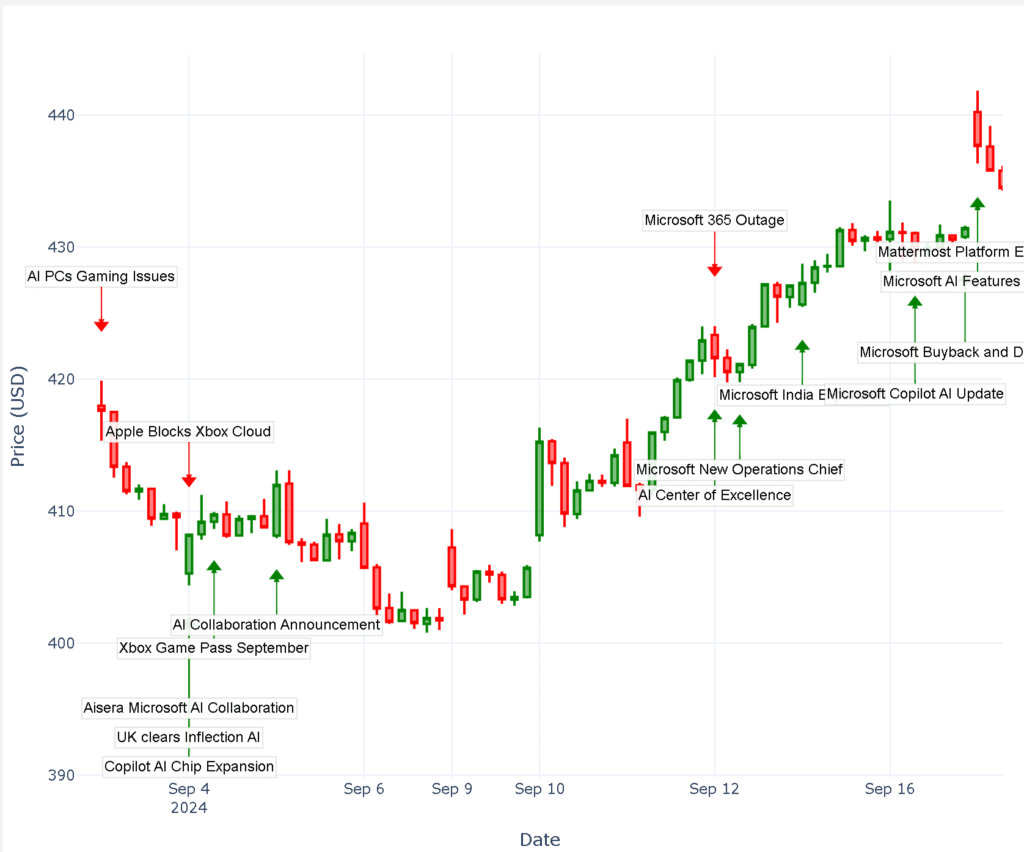
Asset events affecting Microsoft stock price performance – insights from our Trading Co-Pilot (BETA)
Microsoft’s stock price is intricately tied to its vast and diverse product ecosystem. The company’s ability to innovate across multiple sectors and maintain strong market positions in various product categories significantly influences investor sentiment and, consequently, its stock performance.
At the heart of Microsoft’s offerings are its productivity and collaboration tools. Microsoft 365 consumer subscriptions, which include popular applications like Word, Excel, and PowerPoint, continue to be a steady revenue stream. The enterprise version, previously known as Office 365, has seen substantial growth, particularly with the increased adoption of remote work solutions.
Exchange and SharePoint form the backbone of many corporate communication systems, while Microsoft Teams has emerged as a leading platform for virtual collaboration. These tools, integral to the operating system Windows commercial offerings, have become essential for businesses worldwide, contributing to Microsoft’s strong market position and stock stability.
Microsoft’s cloud services, anchored by Azure, have been a major driver of the company’s stock growth in recent years. Windows Server, Visual Studio, and System Center form a comprehensive suite of tools for developers and IT professionals, solidifying Microsoft’s position in the enterprise market.
The company’s commercial offerings, comprising volume licensing agreements and patent licensing, provide a steady revenue stream that investors view favorably. Additionally, Dynamics business solutions, including Dynamics 365, have gained traction in the competitive CRM and ERP markets, further diversifying Microsoft’s revenue sources.
On the consumer front, Windows OEM licensing remains a significant contributor to Microsoft’s revenue, despite the evolving PC market. The Xbox ecosystem, including Xbox Game Pass and other subscriptions, has positioned Microsoft as a major player in the gaming industry, adding another dimension to its consumer-facing offerings.
As cyber threats continue to evolve, Microsoft’s focus on security and compliance across its product lines has become increasingly important. From Windows Defender to advanced threat protection services in Microsoft 365, the company’s commitment to security enhances its value proposition to both enterprise and consumer customers.
The diversity of Microsoft’s product ecosystem provides a buffer against market fluctuations, contributing to the relative stability of its stock price. When investors analyze Microsoft’s stock, they consider the performance across these various segments:
Quarterly earnings reports often highlight the performance of these key areas, influencing the stock’s close price and short-term movements. For instance, strong growth in cloud services or better-than-expected adoption of Microsoft Teams can lead to positive stock momentum.
Moreover, Microsoft’s ability to cross-sell and integrate its products creates a robust ecosystem that can increase customer retention and lifetime value. This integrated approach, spanning from the operating system (Windows) to cloud services and productivity tools, presents a compelling narrative for long-term investors.
As Microsoft continues to innovate across its product lines, from Windows Server to Visual Studio, and from Xbox to Microsoft 365, the company’s stock remains an attractive option for investors looking for exposure to multiple tech sectors through a single, established entity.
Financial performance is a key driver of stock prices, and Microsoft is no exception. Investors closely analyze financial indicators such as revenue growth, profitability, and cash flow to gauge the company’s financial health and growth prospects.
Consistent revenue growth is an important factor that can positively influence stock prices. It indicates that Microsoft is successfully attracting customers and generating increasing demand for its products and services. Additionally, improving profit margins and strong cash flow can further boost investor confidence and drive up stock prices.
On the other hand, declining revenue growth or profitability can have a negative impact on stock prices. Investors may interpret these indicators as a sign of weakening business fundamentals and lower growth prospects, leading to a decrease in stock price.
Furthermore, the management of Microsoft’s capital allocation can also influence stock prices. Share buybacks and dividend payments can signal to investors that the company is returning value to shareholders, which can have a positive effect on stock prices. Conversely, excessive capital expenditures or high debt levels may raise concerns among investors and result in a decline in stock price.
Regulatory and legal factors can significantly impact Microsoft’s stock price. Being a technology company operating in various jurisdictions, Microsoft is subject to regulatory scrutiny and potential legal challenges.
Antitrust regulations and investigations are a crucial area of focus for Microsoft. Any potential violation or adverse ruling in antitrust cases can have a substantial impact on the company’s stock price. For example, in the past, Microsoft faced significant legal challenges related to its dominant position in the operating system market, resulting in regulatory actions and negative market sentiment.
Moreover, privacy and data security regulations can also influence investor sentiment towards Microsoft. As the company deals with vast amounts of user data, any breach or failure to comply with privacy regulations can lead to reputational damage and a decline in stock price.
Changes in intellectual property laws, patent disputes, and licensing agreements can also impact Microsoft’s stock price. Legal battles or unfavorable rulings can lead to financial penalties, increased costs, or restrictions on the company’s ability to operate, which can negatively affect stock prices.
One of the most notable milestones in Microsoft’s stock history came when the company achieved its highest stock price, showcasing the strength of its market position and growth potential. Reaching such a peak is a testament to the company’s innovation, strong financial performance, and its ability to navigate competitive pressures.
In 2023, Microsoft hit a new all-time high share price of $377.10, when the stock was up some 56% year-to-date, after hiring Ex-OpenAI’s Sam Altman This surge in stock price was driven by a combination of factors, including investor excitement over Microsoft’s deepening involvement in artificial intelligence and cloud computing. Altman’s hiring signaled Microsoft’s commitment to staying at the forefront of AI innovation, bolstering investor confidence in the company’s strategic direction.
Much of that is due to Microsoft’s collaboration with OpenAI and its significant investments in AI-related technologies, which were seen as game-changers for the company’s long-term growth. The stock’s performance in 2023 was reflective of broader market optimism surrounding AI and Microsoft’s ability to lead the next wave of technological advancements.
This milestone came at a time when Microsoft’s revenue from its cloud platform, Azure, continued to grow steadily, alongside strong performance in its productivity and business solutions segments. And yet perhaps what investors found particularly compelling was Microsoft’s ability to leverage AI to enhance its entire product ecosystem, positioning the company as a leader not only in tech but in shaping the future of AI-driven industries.
Market sentiment and the expectations of financial analysts can play a significant role in influencing Microsoft’s stock price. Analyst forecasts and recommendations are closely followed by investors as they provide insights into the company’s future prospects.
Positive analyst forecasts, upgrades, or favorable recommendations can lead to increased investor confidence and higher stock prices. Analysts’ bullish views on Microsoft’s growth potential, new product launches, or market opportunities can drive up stock prices as investors align their investments with these positive expectations.
Conversely, negative analyst forecasts, downgrades, or unfavorable recommendations can have the opposite effect. Pessimistic views on Microsoft’s performance, concerns about market saturation, or potential risks can result in a decline in stock price as investors adjust their positions accordingly.
Market sentiment, which reflects the overall mood and perception of investors, can also impact Microsoft’s stock price. Positive market sentiment, characterized by optimism and confidence, can lead to higher stock prices as investors feel more comfortable taking on risk. Conversely, negative market sentiment, driven by economic uncertainties or geopolitical tensions, can result in a decline in stock price as investors become more risk-averse.
As we reach the mid-year point of 2024, it’s time to reflect on the key factors influencing Microsoft Corporation’s (NYSE: MSFT) stock performance. Microsoft continues to solidify its position as a tech industry leader, developing and supporting software, services, devices, and solutions that drive significant value across multiple sectors.
Intelligent Cloud: Microsoft’s Intelligent Cloud segment remains a crucial growth driver, bolstered by its Azure platform. The demand for cloud services continues to soar, contributing positively to Microsoft stock (NYSE: MSFT). This segment’s performance is critical as businesses increasingly migrate to cloud-based solutions, driving revenue and market confidence.
Productivity and business processes: The productivity and business processes segment, which includes Office Consumer and Dynamics 365, has shown robust growth. With the ongoing digital transformation, businesses and individuals continue to rely on Microsoft’s software solutions to enhance productivity and streamline business processes, further supporting the stock’s upward trajectory.
Personal computing: The personal computing segment, encompassing Windows, Surface devices, and gaming, remains a significant contributor. Although growth in this segment is more mature compared to cloud and business services, it still plays a vital role in maintaining Microsoft’s overall financial health and market position.
The broader economic environment, marked by high inflation and fluctuating interest rates, has introduced some volatility into the market. Weak economic data in certain sectors has led to cautious investor sentiment. However, Microsoft’s diversified portfolio and strong performance across its key segments have helped it weather these challenges effectively.
As earnings season progresses, Microsoft has continued to deliver strong financial results, with revenue growth driven by its cloud and business processes segments. Investors should watch for updates on how Microsoft plans to navigate the second half of the year, particularly in light of potential interest rate adjustments by the Federal Reserve. These adjustments could influence market sentiment and stock prices.
Analyst forecasts for Microsoft remain optimistic, with many continuing to recommend holding or buying MSFT stock. The positive sentiment is bolstered by Microsoft’s consistent performance and strategic investments in AI, cloud computing, and enterprise solutions. However, market sentiment can shift quickly, especially in a year with ongoing economic uncertainties and geopolitical tensions.
As we move into the latter half of 2024, Microsoft’s ability to innovate and maintain its leadership in the tech sector will be crucial. Investors should keep an eye on developments in the Intelligent Cloud and Productivity and Business Processes segments, as these are likely to drive future growth. Additionally, any updates on strategic partnerships or acquisitions will be important indicators of Microsoft’s long-term strategy.
The stock price of Microsoft is influenced by a multitude of factors, ranging from economic conditions and industry-specific developments to company-specific factors, technological innovations, financial performance, regulatory and legal factors, and analyst forecasts. Understanding and analyzing these factors is crucial for investors seeking to make informed decisions in the stock market.
By keeping a close eye on economic indicators, industry trends, and Microsoft’s financial performance, investors can gain valuable insights into the company’s outlook and potential investment opportunities. Monitoring technological advancements and regulatory changes can also provide a deeper understanding of the risks and opportunities that lie ahead for Microsoft.
Ultimately, unraveling the secrets behind Microsoft’s stock price requires a comprehensive analysis of various factors and a holistic view of the market and industry dynamics. Armed with this knowledge, investors can navigate the stock market with confidence and make sound investment decisions based on a thorough understanding of the key factors that impact Microsoft’s stock price.
Looking for more stock market insights? See our articles on the factors that determine Advance Micro Devices stock price, Lucid stock price, Tencent Holdings stock price, Nvidia stock price, Google stock price, Apple stock price, Microsoft stock price, Walmart stock price and Amazon stock price with more added weekly.
Microsoft’s stock price is influenced by various factors, including:
Microsoft’s cloud business, particularly Azure, has been a major driver of the company’s stock growth. Strong performance and increased adoption of cloud services often lead to positive stock movements, as investors see this as a key area for future growth.
While not as significant as cloud services, Microsoft’s gaming division, including Xbox and related subscriptions, contributes to the company’s diversified revenue stream. Strong performance in gaming can positively impact stock price, especially if it exceeds market expectations.
Regulatory challenges, particularly antitrust investigations or privacy concerns, can negatively impact Microsoft’s stock price. Investors closely monitor these issues as they can lead to financial penalties or restrictions on the company’s operations.
In 2023, Microsoft hit an all-time high of $377.10 per share. This peak was driven by investor excitement over Microsoft’s AI initiatives, particularly its collaboration with OpenAI and the hiring of Sam Altman, signaling the company’s commitment to leading in AI innovation.
Microsoft’s dividend payments can positively influence its stock price, as they signal financial stability and return value to shareholders. Consistent dividend growth can attract income-focused investors and support the stock price.
New product launches, especially in key areas like Windows or Office, can significantly impact Microsoft’s stock price. Successful launches often lead to positive stock movements, while products that underperform expectations can negatively affect the stock.
Global economic uncertainty can lead to increased volatility in Microsoft’s stock price. However, the company’s diverse product ecosystem and strong market position often provide some stability during economic downturns.
While Microsoft’s stock can be affected by overall tech sector volatility, its diverse product lineup and strong market position often provide more stability compared to smaller, more specialized tech companies. However, significant sector-wide events can still impact Microsoft’s stock price.
Microsoft’s significant investments in artificial intelligence have become a major driver of investor sentiment and stock performance. Here’s how AI is impacting Microsoft’s stock:
However, it’s important to note that AI investments also carry risks, such as regulatory scrutiny and the high costs of research and development. Investors should monitor both the opportunities and challenges presented by Microsoft’s AI initiatives when considering the stock’s potential.
Experience the power of instant analysis with our Trading Co-Pilot (BETA). This cutting-edge tool allows you to see the factors influencing Microsoft’s stock price in real time, providing you with a competitive edge in the market. Currently available for trial to select enterprise clients, our Trading Co-Pilot offers unparalleled insights into Tesla and other high-profile stocks. Don’t just follow the market – stay ahead of it. Contact us today to learn how you can be among the first to leverage this game-changing technology in your investment strategy.
Over the years, Apple Inc. has become a global tech giant, captivating the hearts and wallets of millions with its innovative products and services. As one of the most valuable publicly traded companies in the world, Apple’s stock performance is always under scrutiny, attracting the attention of investors, analysts, and tech enthusiasts alike. But what factors influence the fluctuation of Apple’s stock prices? What causes those market waves that drive traders to action?
In this article, we dive deep into the influential factors behind Apple Inc.’s stock performance. From product launches and market trends to macroeconomic indicators and industry competition, we unravel the intricate web that surrounds the tech giant’s stock price. By understanding these factors, investors can make more informed decisions and ride the market waves with greater confidence.
Join us as we explore the dynamic forces that affect Apple’s stock performance and gain insights into navigating this ever-changing landscape. Whether you’re a seasoned trader or simply curious about the mechanics of the stock market, this article offers valuable perspective on the factors shaping Apple Inc.’s stock journey.
Apple Inc.’s stock performance is influenced by a variety of factors that impact investor sentiment and market dynamics. Understanding these factors can provide valuable insights into the potential future direction of the stock price. Let’s delve into some of the key factors that influence Apple Inc.’s stock performance.
Macroeconomic factors play a crucial role in determining the performance of Apple’s stock. Economic indicators such as GDP growth, inflation rates, and interest rates can significantly impact the overall sentiment of the stock market. During periods of economic expansion, Apple’s stock tends to perform well as consumers have more disposable income to spend on Apple’s products. Conversely, during economic downturns, consumers may cut back on their discretionary spending, leading to a decline in Apple’s stock price.
It is also important to consider global economic factors, as Apple operates in multiple countries. Changes in exchange rates, trade policies, and geopolitical events can have a significant impact on Apple’s stock performance. For example, if the US dollar strengthens against other currencies, it may negatively affect Apple’s international sales and profits, leading to a decline in the stock price.
Slide 2 HeadingLorem ipsum dolor sit amet consectetur adipiscing elit dolorClick HereSlide 2 HeadingLorem ipsum dolor sit amet consectetur adipiscing elit dolorClick HereSlide 3 HeadingLorem ipsum dolor sit amet consectetur adipiscing elit dolorClick HereSlide HeadingLorem ipsum dolor sit amet, consectetur adipiscing elit. Ut elit tellus, luctus nec ullamcorper mattis, pulvinar dapibus leo.Click Here
Previous slide
Next slide
Above: Permutable AI’s economic datasets used by investors to track macroeconomic sentiment.
The technology industry is highly competitive and constantly evolving. Therefore, industry-specific factors play a crucial role in determining Apple’s stock performance. One of the key factors is market trends and consumer preferences. Apple’s ability to anticipate and adapt to changing trends, such as the shift towards mobile devices and wearables, has been a major driver of its stock performance. Product launches and announcements, such as the release of new iPhones or the introduction of innovative features, can create significant buzz and influence investor sentiment.
Additionally, the competitive landscape within the technology industry can impact Apple’s stock performance. Rival companies launching innovative products or capturing market share can lead to increased competition, potentially affecting Apple’s profitability and market position. Investors closely monitor the performance of Apple’s competitors and their ability to disrupt the market, as it can have a direct impact on Apple’s stock price.
Apple’s financial performance is a crucial factor in determining the stock price. Investors analyze key financial metrics such as revenue growth, profitability, and cash flow to assess the company’s financial health and future prospects. Strong financial performance, backed by consistent revenue growth and increasing profits, tends to drive up the stock price.
Investors also pay close attention to Apple’s earnings reports and guidance provided by the company’s management. Positive earnings surprises or optimistic outlooks for future quarters can result in a surge in the stock price. Conversely, disappointing earnings or cautious guidance can lead to a decline in the stock price.
It is important to note that Apple’s stock price is influenced not only by the actual financial performance but also by market expectations. If the market perceives that Apple’s financial performance is not meeting expectations, it can lead to a decline in the stock price, even if the company’s performance is objectively strong.
Apple‘s success is deeply rooted in its ability to innovate and introduce groundbreaking technologies. Technological advancements and product innovation are key drivers of Apple’s stock performance. The company’s ability to develop and launch innovative products that capture the imagination of consumers has been a major factor in its success.
Apple’s stock has experienced significant growth during periods of successful product launches. For example, the introduction of the iPhone revolutionized the smartphone industry and propelled Apple’s stock price to new heights. Similarly, the launch of other successful products such as the iPad and Apple Watch has had a positive impact on the stock price.
Investors closely monitor Apple’s research and development efforts and product pipeline to gauge the company’s ability to continue introducing innovative products. Rumors and speculation about upcoming product launches can also generate excitement and influence investor sentiment, leading to fluctuations in the stock price.
Investor sentiment and market psychology play a significant role in shaping Apple’s stock performance. The stock market is influenced by human emotions, and investor sentiment can swing between optimism and pessimism, leading to market volatility.
Positive news, such as strong sales figures or positive analyst recommendations, can create a sense of optimism among investors, driving up the stock price. On the other hand, negative news or concerns about the company’s future prospects can lead to a decline in the stock price as investors become more cautious.
Market psychology also comes into play during periods of market turbulence or uncertainty. During times of economic recession, global crises or governance issues, investors may adopt a more risk-averse approach, leading to a general decline in stock prices, including Apple’s. Conversely, during periods of economic growth and optimism, investors may be more willing to take on risk, resulting in a rise in stock prices.
Understanding investor sentiment and market psychology can help investors navigate the market waves and make informed decisions. Monitoring news and market trends, as well as analyzing the behavior of other market participants, can provide valuable insights into the potential future direction of Apple’s stock price.
Apple operates in a highly competitive industry, and the performance of its competitors can have a direct impact on Apple’s stock price. Investors closely monitor the competitive landscape and analyze the strategies and financial performance of rival companies.
Competitor analysis provides insights into the market share dynamics and the relative positioning of Apple within the industry. If a competitor gains market share or launches a successful product, it can negatively impact Apple’s stock price. Conversely, if Apple is able to outperform its competitors or gain market share, it can drive up the stock price.
Investors also pay attention to the strategies employed by Apple’s competitors, such as pricing strategies, product differentiation, and marketing campaigns. Successful strategies by competitors can put pressure on Apple’s profitability and market share, affecting the stock price.
It is worth noting that while competitor analysis is important, investors should also consider Apple’s unique strengths, brand reputation, and customer loyalty. Apple’s strong ecosystem, loyal customer base, and innovative product pipeline can help mitigate the impact of competition and contribute to the company’s long-term success.
Analyst recommendations and reports can have a significant impact on Apple’s stock price. Analysts closely follow Apple and provide recommendations based on their analysis of the company’s financial performance, industry trends, and market dynamics.
Positive analyst recommendations can lead to an increase in buying interest and drive up the stock price. Conversely, negative recommendations or downgrades can result in a decline in the stock price as investors react to the revised outlook.
Investors should consider the track record and credibility of analysts when assessing the impact of recommendations. It is also important to analyze the rationale behind the recommendations and consider multiple perspectives before making investment decisions based solely on analyst reports.
As we hit the midway mark of 2024, Apple Inc. is still the big kahuna in the tech world and its stock is reflecting both the company’s innovation and market leadership. The year has seen Apple solidify its position in the industry with product launches, service updates and global expansion. Here’s a mid-year update on Apple’s journey and what it means for investors.
In 2024, Apple has added to its product lineup with major updates to its core devices—iPhone, iPad and Apple Watch. The new iPhones with advanced camera tech and AI features are getting rave reviews and selling like hotcakes. New iPads and Apple Watches are pushing the boundaries of what consumers expect from their devices and Apple is still the king in these categories.
And Apple’s ecosystem of AirPods, Apple TV, Apple Watch and Beats products is still going strong. This ecosystem keeps customers loyal as they are more likely to stay within the Apple world because of the seamless connectivity across devices. This has not only driven hardware sales but also services growth.
Apple’s services segment is still the growth engine. The App Store along with Apple Arcade, Apple Music, Apple Books and other digital content platforms is a big revenue generator. The company’s focus on creating a digital world where customers can discover and download apps and digital content—books, music, video games and podcasts—has landed well with its customers.
In 2024 Apple has further refined its Apple News service making it a one-stop shop for curated news and media content which has seen increased user engagement. And the company’s push into financial services including Apple Card and Apple Pay is gaining momentum, giving customers a secure and easy way to manage their finances.
Apple’s retail strategy is still strong. The company has expanded its physical retail presence in key markets and improved its online store. This dual approach allows Apple to reach a broad customer base including small and mid-sized businesses, education, enterprise and government sectors. These initiatives have driven sales and strengthened Apple’s brand loyalty across various customer segments.
In 2024 Apple is still the technological leader. The company’s ability to design, manufacture and market smartphones, personal computers, tablets, wearables and accessories has kept it in the driver’s seat. Apple’s focus on sustainability and environmental responsibility especially in its manufacturing process has also got positive attention as the brand is aligning with the growing customer demand for eco-friendly products.
The development of advanced technologies like augmented reality (AR) and artificial intelligence (AI) has further cemented Apple’s position. These technologies are being integrated into apps and digital content and giving users a better experience across Apple’s platforms.
Apple’s first half 2024 financials are strong with revenue growth driven by both product and services. The company is profitable and its supply chain is efficient and global demand for its products is strong.
Investors are positive on Apple’s future as the company’s initiatives will continue to drive growth. The stock has performed well as investors believe Apple will maintain its competitive advantage in a crowded market. Analysts are recommending to buy as many expect the stock to outperform in the second half of the year.
Apple Inc.’s stock performance is influenced by a multitude of factors, including macroeconomic indicators, industry-specific trends, financial performance, technological advancements, investor sentiment, competitor analysis, and analyst recommendations. Understanding these factors and their interplay can provide valuable insights into the potential future direction of Apple’s stock price.
As an investor, it is important to conduct thorough research, stay informed about market trends, and analyze the various factors that impact Apple’s stock performance. This will enable you to make more informed investment decisions and navigate the market waves with greater confidence.
While no one can accurately predict the future performance of Apple’s stock, a comprehensive understanding of the influential factors can help investors stay ahead of the curve and potentially capitalize on market opportunities. By staying informed and keeping a close eye on the factors discussed in this article, investors can position themselves for success in the ever-changing landscape of Apple Inc.’s stock journey.
Remember, the stock market is inherently unpredictable, and past performance is not indicative of future results. It is always advisable to consult with a financial advisor or conduct thorough research before making any investment decisions.
Looking for more stock market insights? See our articles on the factors that determine Advanced Micro Devices stock price, Lucid stock price, Tencent Holdings stock price, Berkshire Hathaway stock price, Nvidia stock price, Google stock price, Walmart stock price, Tesla stock price, Microsoft stock price and Amazon stock price with more added weekly.
Unlock the power of data-driven investment strategy with Permutable’s cutting-edge data intelligence. Try our macroeconomic data feeds for free and gain valuable insights into global trends shaping investment decisions.