Systematic geopolitical risk data for portfolio decisions

Track geopolitical sentiment across 95+ countries and exposed assets with hourly signals and 11+ years of point-in-time history.

Permutable turns multilingual reporting on conflict, sanctions and political disruption into structured intelligence for risk monitoring, backtesting and market-impact analysis.
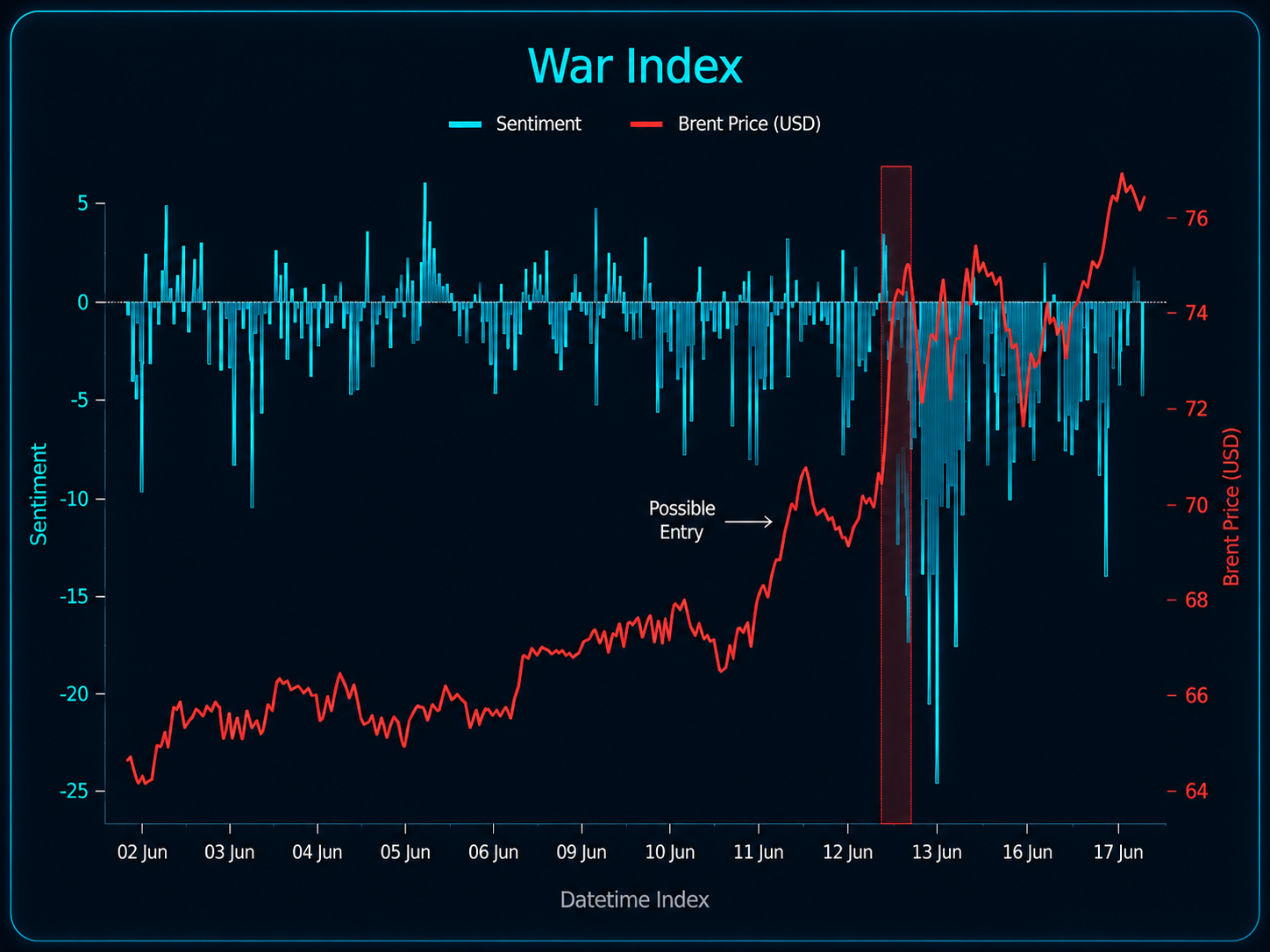

Chart showing Permutable's War Index sentiment analysis alongside Brent crude oil prices from 2–17 June. Blue bars represent real-time geopolitical sentiment, while the red line tracks Brent crude prices in USD. The chart highlights a sharp negative sentiment event around 13 June, followed by a significant rise in oil prices, demonstrating the relationship between geopolitical risk signals and energy market movements.
Request sample geopolitical data

Institutional-scale geopolitical intelligence for global markets

  • 250k

    Sources

  • 1m

    Narratives processed daily

  • 90+

    Countries

  • 80 +

    Languages

  • 70 +

    Assets

  • 11 +

    Years point-in-time history

Why geopolitical risk needs structured data

Geopolitical developments rarely arrive as clean, standardised observations. They emerge through fragmented local reporting, policy language, sanctions activity, military developments and shifts in international interpretation.

Permutable turns that information into structured country, event, theme and asset-effect signals that can be monitored live and evaluated across previous geopolitical shocks.

  • Local-source detection

    Capture changes in local-language reporting and domestic political narratives before they are consistently reflected in international financial coverage.

  • Escalation and persistence

    Distinguish isolated headlines from sustained changes in conflict, sanctions, political instability or policy retaliation.

  • Domestic and international separation

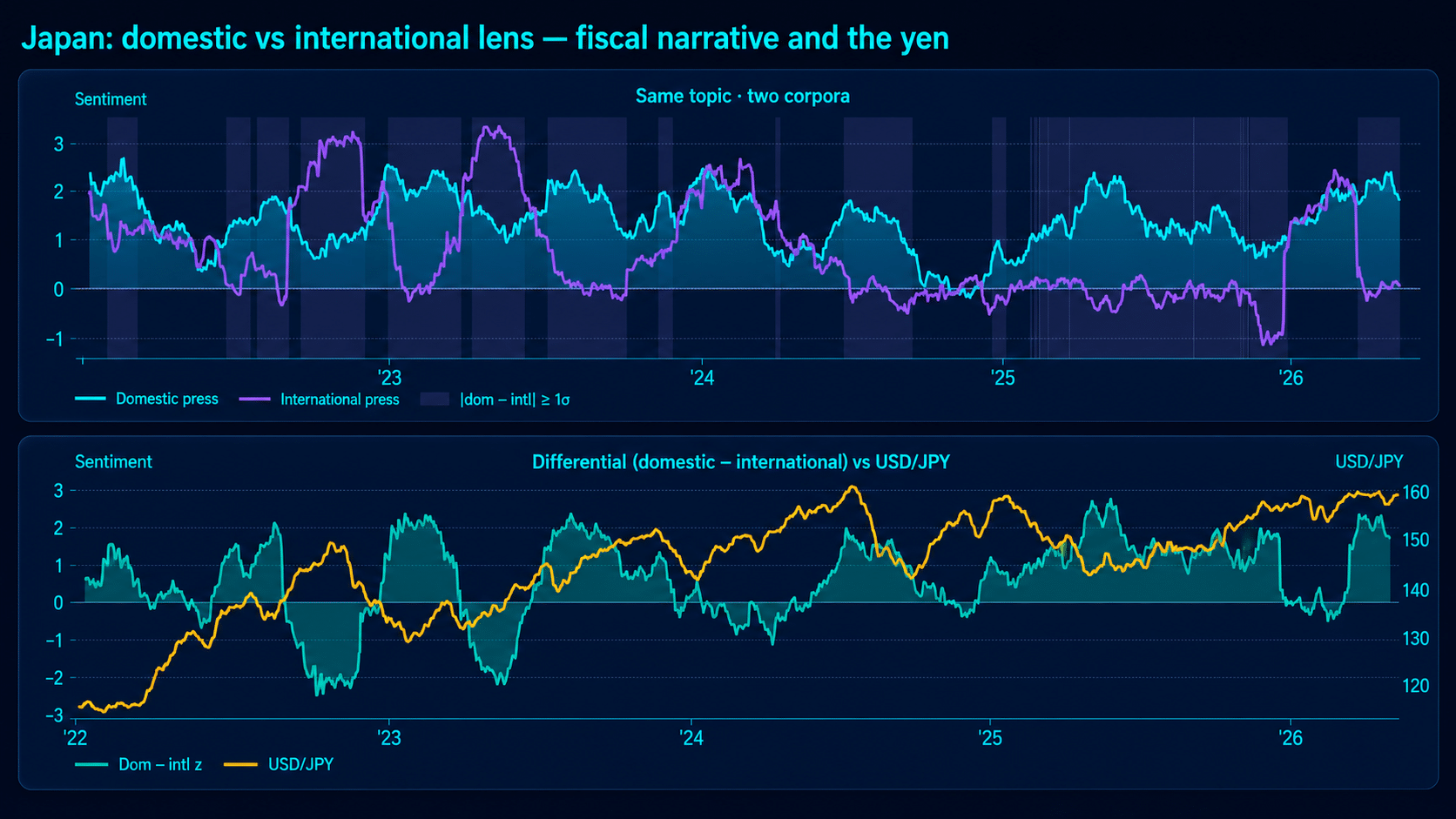
    Compare what is being reported within an affected country or region with how the development is being interpreted by external sources and global markets.

  • Cross-market effects

    Map geopolitical pressure into commodities, currencies, sovereign risk, rates and other portfolio exposures.

Detect local tension before it becomes a global market story

International investors often receive geopolitical developments only after local events have been consolidated, translated and reported by major global outlets.

Permutable analyses local-language and domestic sources alongside international reporting, allowing users to identify when security concerns, political tension or disruption are beginning to build within a country before the narrative reaches wider market consensus.

Geopolitical themes covered

  • Conflict escalation
  • Military activity
  • Defence and security
  • Terrorism and civil unrest
  • Ceasefire and de-escalation
  • Infrastructure threats
  • Sanctions risk
  • Trade restrictions
  • Tariffs
  • Export controls
  • Policy retaliation
  • Political transition
  • Elections
  • Government instability
  • Institutional credibility
  • Sovereign pressure
  • Energy security
  • Shipping disruption
  • Supply-chain disruption
  • Pipeline and terminal risk
  • Border and transit disruption
Request the complete geopolitical taxonomy

What the geopolitical dataset contains

  • Country and regional signals

    Track changes in geopolitical pressure across countries, regions and cross-border relationships.

  • Directional sentiment

    Measure whether geopolitical conditions are stabilising, deteriorating or moving towards greater escalation.

  • Domestic and international views

    Separate local reporting from the external narrative influencing international investors.

  • Event and theme classification

    Structure information across conflict, sanctions, trade disruption, energy security, political instability and other geopolitical themes.

  • Escalation and persistence indicators

    Identify whether a development is isolated, recurring or becoming a sustained geopolitical regime.

  • Asset-effect mapping

    Connect geopolitical developments with commodities, currencies, rates, sovereign risk and other exposed markets.

  • Point-in-time history

    Research how geopolitical signals evolved using only the information available at each historical timestamp.

  • Source-level records

    Where included in the licence, inspect the events, headlines, entities, locations and timestamps contributing to each signal.

Request the dataset specification

See geopolitical data in practice

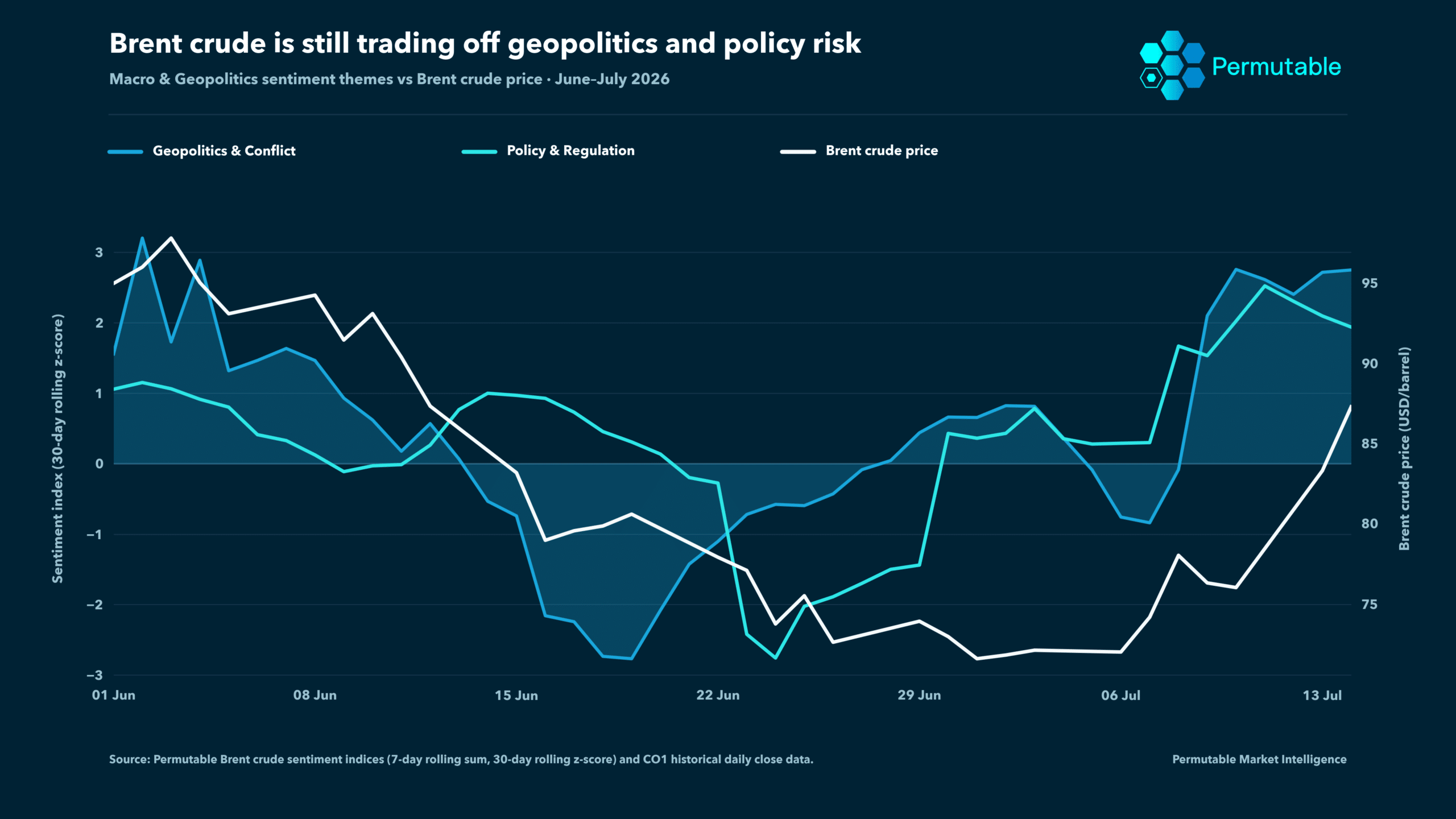
Geopolitical sentiment turned before Brent repriced

Brent Geopolitics and Policy sentiment began strengthening while crude remained near its recent lows, showing how market attention shifted from escalation probability towards shipping viability, blockades and impaired Gulf crude flows.

Where Permutable's geopolitical intelligence fits

  • Macro and geopolitical strategists

    Track developing conflict, sanctions, policy and sovereign-risk narratives across countries, regions and potential market-transmission channels.

  • Commodity and energy traders

    Monitor how conflict, trade restrictions, shipping disruption and energy-security pressure affect physical flows, supply risks and commodity pricing.

  • Portfolio and risk teams

    Identify emerging country, supply-chain, concentration and cross-asset risks across holdings and portfolio exposures.

  • Systematic researchers

    Use point-in-time geopolitical indices, structured events and market-driver data for factor research, event studies and signal testing.

  • Investment banks and research teams

    Support research, client strategy and market monitoring with structured geopolitical intelligence linked to underlying evidence.

Discuss your geopolitical risk workflow

Geopolitical intelligence designed for institutional scrutiny

  • Source-linked explainability
  • Escalation and persistence
  • Point-in-time construction
  • Domestic and international separation
  • Event-to-asset mapping
  • Historical and live continuity
Request sample geopolitical data

Use geopolitical data to protect portfolios

Geopolitical sentiment does not need to generate a standalone trading signal to be valuable.

For many institutional teams, the more credible use is identifying where risk is building, understanding how volatility could spread and adjusting exposures before a geopolitical shock becomes fully reflected in market pricing.

  • Emerging-market and sovereign risk

    Monitor political instability, sanctions, conflict and policy deterioration that may affect sovereign spreads, currencies and local-market liquidity.

  • Regional exposure management

    Identify growing tension within countries or regions and use the signal to review geographic concentration, counterparty exposure and scenario assumptions.

  • Energy and commodity risk

    Assess whether conflict, sanctions, infrastructure disruption or shipping risk is beginning to affect oil, gas, metals or agricultural markets.

  • Volatility and contagion

    Track whether geopolitical pressure remains isolated or is spreading across currencies, rates, commodities and broader risk sentiment.

  • Crisis review and backtesting

    Test how the data behaved before and during previous geopolitical shocks to identify where existing monitoring processes reacted late or missed local warning signals.

Discuss your use case

How we do it

Real-time geopolitical data ingestion

We ingest global news, policy statements, diplomatic briefings and regional reporting in real time, capturing geopolitical developments as they emerge across countries, languages, sectors and market-relevant regions worldwide.

  • Real-time data ingestion

  • Natural language processing & LLMs

  • Sentiment scoring & escalation detection

  • Signal construction

  • Signal structuring & delivery

  • Validation & quality control

Access geopolitical data via API

FAQ

  • What is Permutable’s geopolitical sentiment dataset?

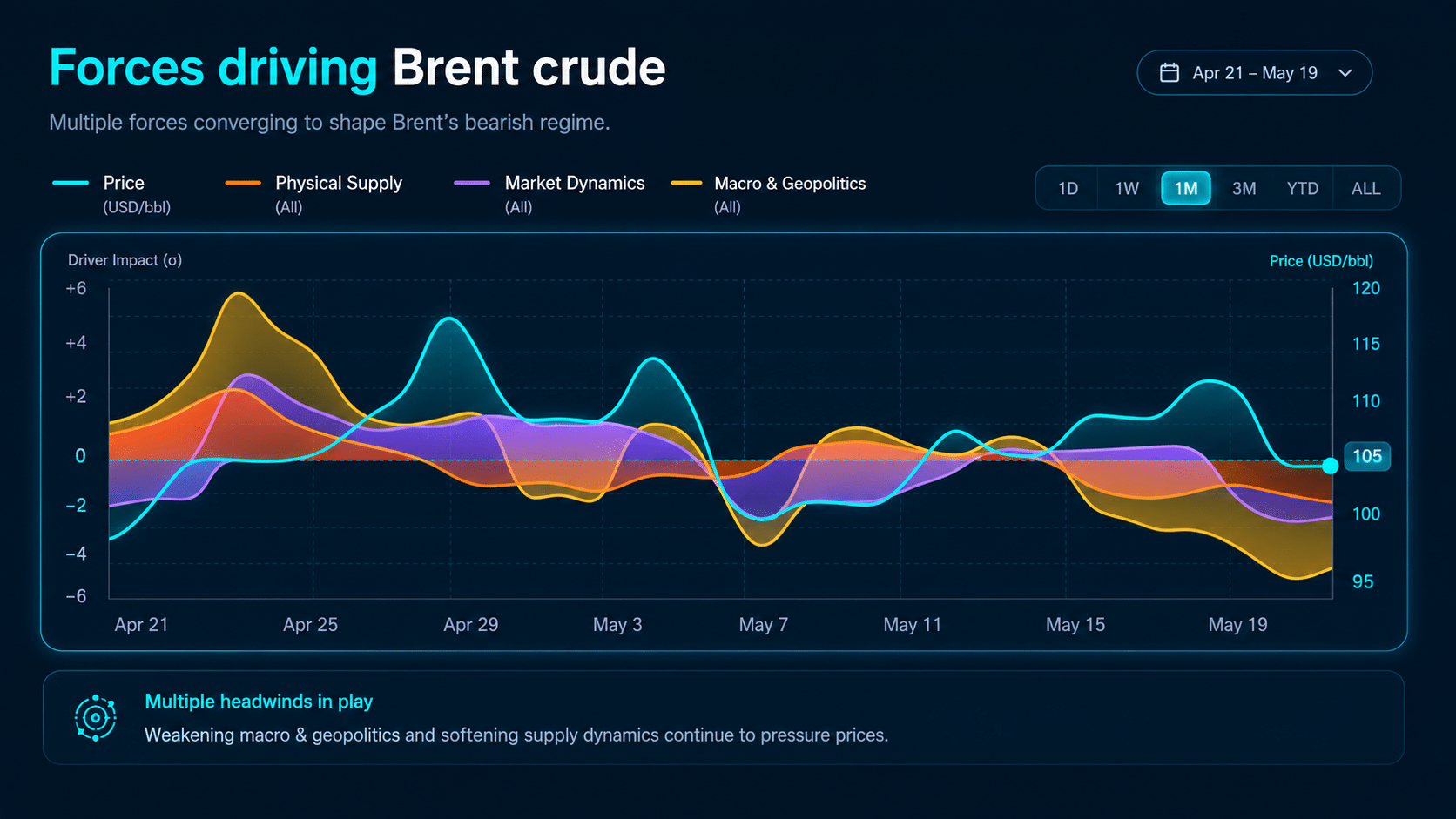
    Permutable’s geopolitical sentiment dataset transforms multilingual local and international information into structured signals covering countries, events, geopolitical themes and market effects.

    It is designed for historical analysis, live risk monitoring and institutional integration.

  • Why structure geopolitical risk as data?

    Geopolitical monitoring is often based on manual news review, analyst judgement and unstructured alerts.

    Structured data allows institutions to compare countries, measure escalation, test previous crises and integrate geopolitical risk into existing research and portfolio processes.

  • How does Permutable use local-language sources?

    We analyse domestic and local-language reporting alongside international sources.

    This helps identify when political or security conditions are changing within a country before those developments become established in widely followed international coverage.

  • What is the difference between domestic and international geopolitical sentiment?

    Domestic sentiment reflects information originating within the country or region being analysed.

    International sentiment measures how external sources are interpreting the same developments.

    Comparing the two can reveal early local pressure, international amplification or divergence in market perception.

  • What geopolitical themes are covered?

    Coverage includes conflict, sanctions, political instability, trade restrictions, energy security, defence, elections, policy retaliation, shipping disruption, supply-chain risk and sovereign pressure.

  • How are escalation signals constructed?

    Relevant records are mapped to countries, events and themes before being classified according to direction, severity and persistence.

    The exact methodology and available fields are provided during dataset evaluation.

  • Is the historical data point in time?

    Historical signals are constructed from the information available at the relevant timestamp rather than later events or subsequently known market outcomes.

  • How far back does the history extend?

    Selected geopolitical datasets include more than 11 years of point-in-time history.

    Precise availability varies by country, theme, event and asset configuration.

  • Can geopolitical data support portfolio-risk management?

    Yes. The data can help institutions monitor regional risk, review emerging-market and sovereign exposure, analyse commodity sensitivity and investigate where volatility may spread.

    It should be used as an input into a broader research and risk process rather than as a standalone prediction

  • Can previous geopolitical crises be backtested?

    Yes. Point-in-time history can be aligned with market and portfolio data to analyse how signals developed before, during and after previous geopolitical events.

  • Can users see what is driving a signal?

    Depending on the selected licence, users can inspect the countries, events, narratives and source-level records contributing to an index movement.

  • Which markets can be analysed alongside the data?

    Geopolitical signals can be examined alongside commodities, currencies, rates, sovereign spreads, equity sectors and volatility measures.

  • How is the data delivered?

    Delivery options include API, Excel, structured historical files, dashboards and institutional data feeds.