It goes without saying that in today’s complex business environment, ensuring ethical and sustainable supply chains is a non-negotiable for maintaining corporate responsibility and customer trust. With that said, in this case study, we will explore the use case of AI for supply chain due diligence using Permutable AI’s proprietary technology and our Tesco dataset as an example. Not interested in Tesco? Not to worry. Our innovative technologies and data intelligence can be used to replicate this for any other company to monitor and improve its supply chain performance across various environmental, social, and governance -or ESG metrics.
Let’s start at the beginning. At the heart of this Tesco supply chain due diligence example is the integration of diverse data sources. Using AI for supply chain due diligence, we collected data from 434 sources across 53 countries, encompassing over 10,798 data points for this study. This comprehensive data integration includes environmental reports, regulatory filings, and real-time monitoring systems, ensuring no critical data points are overlooked. The system also leverages natural language processing (NLP) to analyze unstructured data from news articles, providing a holistic view of each supplier’s performance.
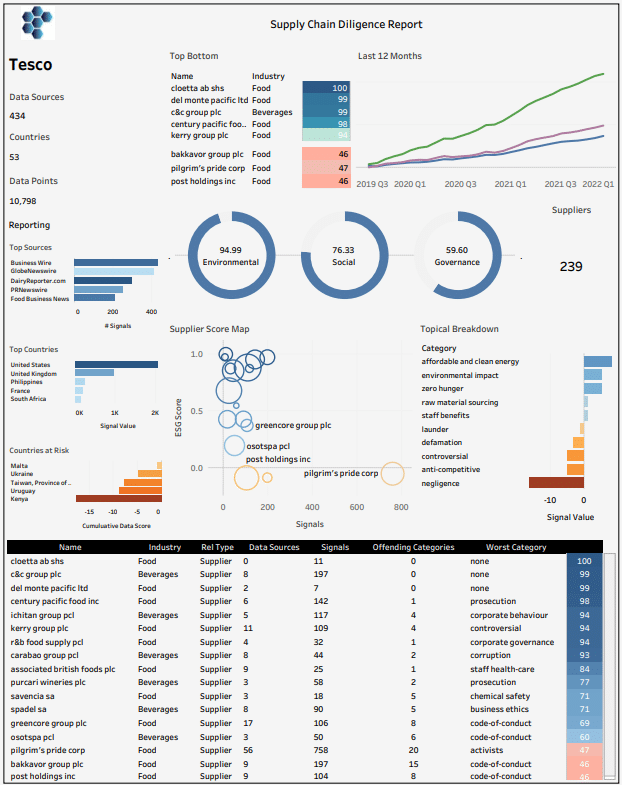
This example supply chain due diligence report evaluates Tesco’s suppliers based on environmental, social, and governance criteria. The top performers include Cloetta (food industry, score: 100) and Del Monte (food industry, score: 99), demonstrating robust sustainability and ethical practices. These companies not only adhere to regulatory standards but also set higher benchmarks for environmental and social governance. In this case, using AI for supply chain due diligence would allow for these top performers to serve as benchmarks, helping to elevate overall performance by sharing best practices with other suppliers.
Conversely, Pilgrim’s Pride (food industry, score: 46) and Post Holdings Inc (food industry, score: 47) are identified as areas of concern, particularly in governance and code-of-conduct issues. Using AI for supply chain due diligence provides an avenue to detect suppliers falling short on ESG standards enabling direct engagement to address deficiencies, setting clear improvement targets and conducting regular audits. This proactive approach ensures suppliers across a supply chain such as Tesco’s meet the high standards expected, reducing risks to supply chain integrity and brand reputation. Again, this can be replicated for any company and its supply chain.
So where do things stand environmentally speaking? The report reveals an impressive environmental score of 94.99 for Tesco’s supply chain according to our analysis, indicating strong compliance with environmental standards. Suppliers are engaging in practices that reduce carbon footprints, manage waste efficiently, and use renewable resources. This is good news. Using AI for supply chain due diligence enables the tracking, maintenance of this score, by encouraging innovation in green technologies and providing incentives for significant environmental milestones.
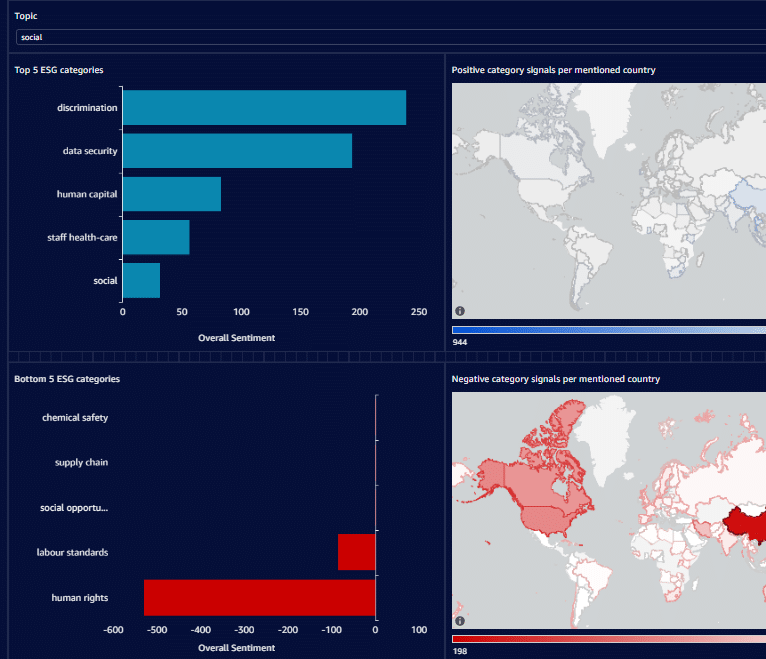
Next, social and governance. While the environmental score is high, there is room for improvement in social (76.33) and governance (59.60) metrics. These scores suggest areas where Tesco’s supply chain can improve labour practices, diversity and inclusion, and corporate ethics. Using AI for supply chain due diligence, shines a lights on where stricter standards should be put in place for suppliers in this use case and where transparency initiatives, such as public reporting of social and governance metrics, could be used to build trust and drive improvements to ensures suppliers meet high social and governance standards.
So then, the Supplier Score Map highlights varying levels of performance among suppliers. Companies like Greencore Group show high ESG scores, while others like Pilgrim’s Pride lag behind. In this case, using AI for supply chain due diligence would facilitate the development of a tiered support system, offering intensive support to lower-performing suppliers and recognizing high performers. Regular reviews and performance assessments could be put in place to ensure continuous improvement and compliance, leveraging high-performing suppliers to mentor and share best practices.
The report categorizes key issues such as affordable and clean energy, environmental impact, and raw material sourcing, highlighting where Tesco and its suppliers focus their sustainability efforts. From our analysis in this example, it’s clear to see that Tesco prioritizes these areas, investing in technologies and practices that support clean energy use, sustainable sourcing, and overall environmental impact reduction. Collaborative projects with suppliers drive industry-wide improvements, ensuring Tesco remains a leader in sustainability – a smart move by the industry leader by all accounts.
The example report identifies top countries providing data signals, including the United States, United Kingdom, Philippines, and South Africa, and highlights countries at risk such as Malta, Bulgaria, and Kenya. Using AI for supply chain due diligence reveals geographical areas of weakness in real time, signalling where engaging with suppliers in high-risk countries to address and mitigate specific issues is absolutely crucial to ensure compliance, thereby improving supply chain resilience. Ultimately, this knowledge will facilitate geographic-specific strategies and tailored interventions to the unique challenges and regulatory environments of each region, enhancing overall performance.
In this scenario, this example report shows how companies can leverage our insights and how by using AI for supply chain due diligence they are better positioned to make informed decisions that enhance supply chain operations, ensure ethical practices, and maintain high standards of corporate responsibility. Using Tesco here as example, it is clear that a continued focus on tracking environmental performance, improving social and governance metrics, and addressing regional risks strengthens across the supermarket giant’s sustainability initiatives would improve overall supply chain and business resilience.
This case study give a sense of the transformative power of AI in creating a more transparent, accountable, and sustainable supply chain. If you are curious to find out more and would like to see how this can be applied to your company, customers and suppliers across your supply chain then we will be happy to help. Get in touch below to discover how our technology, data intelligence and insights can assist you.
Supply chains play a crucial role in the global economy, connecting producers, manufacturers, and consumers around the world. However, the traditional model of supply chains has often been criticised for its negative impact on the environment, communities, and workers involved. This has led to a growing demand for ethical excellence in supply chains, where companies, like Unilever, prioritise sustainability, social responsibility, and transparency in their operations. Unilever supply chain sustainability efforts have become a benchmark in the industry for integrating environmental and social governance into business strategies.
Unethical practices in supply chains can have far-reaching consequences, from deforestation and pollution to exploitation and unfair labour practices. The negative impacts can be devastating for both people and the planet. Consumers are becoming increasingly aware of these issues and are demanding more transparency and accountability from the companies they support. In response, businesses are recognising the importance of ethical excellence in supply chains as not just a moral obligation but also a strategic advantage. Unilever supply chain sustainability initiatives have shown significant progress in addressing these challenges by embedding sustainable practices throughout their global operations.
Unilever, the global consumer goods company, is at the forefront of this movement towards ethical excellence. With a deep understanding of the interconnectedness of the global supply chain, Unilever has made sustainability and social responsibility central to its business model. By prioritising ethical practices, Unilever supply chain sustainability efforts have not only improved its reputation but have also gained a competitive edge in the market. Let’s explore how Unilever has achieved this and the impact it has had on the world.
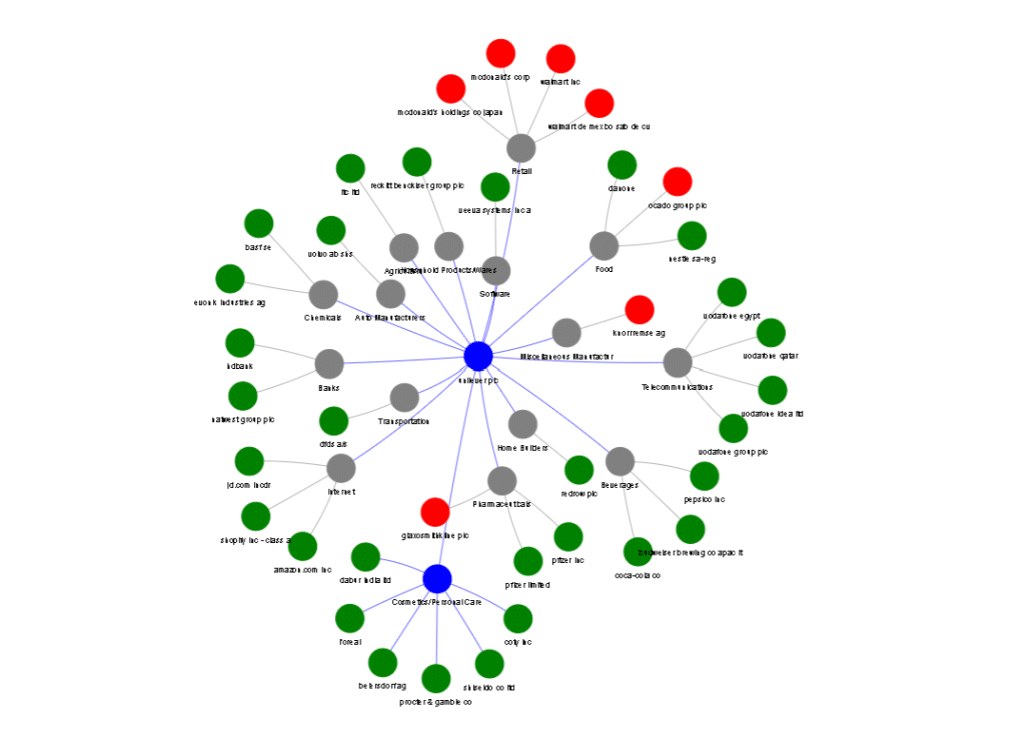
Above: Unilever’s first order supply chain relationships using Permutable AI’s Supply Chain Network Analysis tool
PURCHASE UNILEVER SUPPLY CHAIN NETWORK REPORT
Despite a recent downshift in their sustainability goals, Unilever’s still remains commitment to sustainability pursuing more tangible as opposed to more aspirational goals. It’s longstanding relationship with sustainability to which it is now entering a maturity phase, is rooted in its belief that business success should go hand in hand with environmental and social progress.
The company has is driving forward the green revolution by setting ambitious goals to reduce its environmental footprint and being a strong player in environmental stewardship whilst also improve the lives of millions of people through its Sustainable Living Plan. This plan, launched in 2010, outlines Unilever’s commitment to three key areas: improving health and well-being, reducing environmental impact, and enhancing livelihoods. Unilever supply chain sustainability is a critical component of achieving these goals. Meanwhile, The Unilever Compass is their roadmap and strategy for delivering a sustainability agenda that works to drive climate action to reach net zero, reduce plastic as part of a waste-free world, regenerate nature and agriculture, and raise living standards in their value chain.
To achieve these goals, Unilever has implemented a wide range of initiatives across its supply chains. One of the key areas of focus is sustainable sourcing, where the company works closely with farmers and suppliers to ensure that raw materials are produced in an environmentally and socially responsible manner. This includes initiatives such as the Sustainable Agriculture Code, which provides guidelines for sustainable farming practices, and the Responsible Sourcing Policy, which ensures that suppliers adhere to strict ethical standards. Unilever supply chain sustainability practices are instrumental in driving positive change across its global operations.
In addition to sustainable sourcing, Unilever has also made significant investments in renewable energy and waste reduction. The company has set a target to be zero emissions in their operations by 2030 and net zero emissions across our value chain by 2039. Unilever has also made efforts to reduce waste throughout its supply chains, implementing recycling and waste management programmes to minimise its environmental impact. Unilever supply chain sustainability initiatives in these areas are leading by example in the transition to a more sustainable business model.
Unilever supply chain sustainability is viewed as the cornerstone of its ethical excellence in supply chains. The company recognises that sourcing raw materials responsibly is critical to reducing its environmental impact and improving the livelihoods of farmers and workers. Unilever works closely with its suppliers to ensure that raw materials are produced in a way that protects ecosystems, conserves natural resources, and supports local communities.
One example of Unilever’s sustainable sourcing practices is its work with smallholder farmers. The company recognises that smallholder farmers play a crucial role in global food production and often face significant challenges, including limited access to resources, market opportunities, and technical knowledge. Unilever has implemented various initiatives to support these farmers, such as providing training and resources to improve agricultural practices, promoting fair trade, and offering long-term contracts to secure their livelihoods. Unilever supply chain sustainability efforts in this area demonstrate a commitment to improving the economic well-being of smallholder farmers.
Unilever also places a strong emphasis on responsible palm oil sourcing. Palm oil is a widely used ingredient in many consumer products, but its production has been linked to deforestation, habitat destruction, and human rights abuses. Unilever has been actively working to address these issues by sourcing palm oil from certified sustainable plantations and supporting initiatives to promote responsible palm oil production. The company is a founding member of the Roundtable on Sustainable Palm Oil (RSPO) and has committed to sourcing 100% of its palm oil from certified sustainable sources by 2023. Unilever supply chain sustainability practices in palm oil sourcing are part of its broader efforts to ensure ethical and sustainable supply chains.
The above is no doubt very encouraging, yet with all companies on their supply chain sustainability and transparency journey, there is still plenty of work to be done.
Unilever continues to come under scrutiny for the sustainability of its supply chain in recent years. One of the primary concerns has been the sourcing of palm oil, a key ingredient in numerous Unilever products. Critics, including environmental groups like Friends of the Earth, have highlighted that, notwithstanding Unilever’s commitments to sustainable palm oil, issues such as deforestation and exploitation remain prevalent within its production chain. While there has been progress towards responsible sourcing, achieving complete transparency and addressing these challenges within complex supply chains continues to be a significant hurdle for Unilever.
Another critical area of concern is packaging waste. Unilever has established goals to mitigate plastic packaging use and augment the recycled content within its products. However, critics and sustainability advocates argue that the pace of progress in this area has been insufficient and that they are still complicit in the plastic crisis. Despite these efforts, there’s a consensus that Unilever must intensify its innovation and investment strategies to tackle plastic pollution more effectively. This sentiment is echoed in reports from sustainability-focused publications, which call for a more aggressive approach to reducing supply chain plastic and enhancing overall sustainability measures.
The journey towards sustainability within the supply chain is a complex and ongoing process, and Unilever’s efforts in this arena are both commendable and critical. Despite facing criticism, particularly in areas such as palm oil sourcing and packaging waste, Unilever’s initiatives signify a significant step forward in the global movement towards more ethical and sustainable business practices. The company’s commitment, as seen through its Sustainable Living Plan and the more recent Unilever Compass, showcases a genuine approach to tackling some of the most pressing environmental and social challenges of our time.
Unilever’s work with smallholder farmers and its drive towards responsible sourcing are pivotal in promoting environmental conservation and enhancing livelihoods. These efforts, along with the company’s commitment to achieving net-zero emissions in its operations and across its value chain by 2039, reflect a deep-rooted commitment to not just corporate sustainability but also to global sustainability goals.
However, the path to a truly sustainable supply chain is fraught with challenges. The criticisms levelled at Unilever highlight the need for ongoing vigilance, innovation, and, importantly, action. The issues surrounding palm oil sourcing and packaging waste underscore the complexity of achieving sustainability in a global supply chain and the need for a multifaceted approach that includes not just corporate initiatives but also policy change, consumer behaviour shifts, and broad-scale industry collaboration.
As Unilever continues to navigate these challenges, its journey offers valuable insights and lessons for other corporations aiming to integrate sustainability into their core business strategy. The global consumer goods company’s efforts underscore the importance of setting ambitious sustainability targets, the need for transparency and accountability, and the critical role of collaboration across the entire supply chain.
Unilever’s supply chain sustainability efforts, while subject to critique, represent a significant stride towards ethical excellence in global supply chains. The company’s ongoing initiatives, dedication to addressing key sustainability issues, and the challenges it faces in terms of managing ESG risks serve as a microcosm of the broader journey towards sustainable development in the corporate world. As Unilever and other companies continue to evolve their sustainability strategies, their actions will undoubtedly play a crucial role in shaping a more sustainable and equitable global economy.
Found this article useful? Why not read our analysis of Apple’s supply chain dynamics and the powerful impact of Tesco’s supply chain.
Ready to delve deeper into Apple’s intricate supply chain networks? Uncover nuanced data and gain unparalleled insights and supply chain transparency with our data. Elevate your understanding of Apple’s operations, risks and challenges. Request bespoke data tailored to your specific inquiries and navigate the complex web of one of the world’s technology giants by filling out the form below.
PURCHASE UNILEVER SUPPLY CHAIN NETWORK REPORT
Found this article useful? Why not read more supply chain insights from us on:
Tesco’s supply chain network and strategic relationships
In today’s interconnected and fast-paced world, major companies operate within vast, complex global networks. These networks, often spanning across continents and involving multiple stakeholders, present unique challenges in managing supply chain information. One of the most significant challenges faced by organizations operating in these networks is data scarcity. The scarcity of reliable and accurate data can hinder the efficiency, transparency, risk management and overall effectiveness of supply chain operations. This article explores the various issues surrounding data scarcity in complex global networks and provides strategies for major companies to overcome these challenges.
In complex global networks, lack of transparency is a common issue that hampers the availability of corporate supply chain information. Companies often operate in highly competitive environments where sharing detailed information about their supply chain processes can be seen as a disadvantage. The fear of losing a competitive edge or exposing vulnerabilities often leads to a reluctance in sharing data. This lack of transparency creates a scarcity of information that can impede collaboration and hinder the overall efficiency of supply chain operations.
Regulatory variations across different countries and regions can greatly impact the availability of supply chain data. Compliance with various laws and regulations can require companies to limit the disclosure of sensitive information, leading to data scarcity. Furthermore, confidentiality agreements between companies within the supply chain can further restrict the sharing of data. These agreements are often put in place to protect proprietary information or trade secrets, but they can inadvertently contribute to the scarcity of vital corporate supply chain information.
Another significant challenge contributing to data scarcity in complex global networks is inadequate data management and systems. With multiple stakeholders involved in the supply chain, data can be fragmented, inconsistent, or simply not captured in a standardized way. This lack of uniformity in data management practices and systems can make it difficult to obtain a comprehensive view of the supply chain. Inadequate data management hinders effective decision-making, increases the risk of errors, and exacerbates data scarcity.
In complex global networks, the quality and accuracy of corporate supply chain information are paramount. Reliable data is crucial for making informed decisions, identifying potential risks, and ensuring the smooth flow of goods and services. Without accurate and timely information, major companies may face disruptions, delays, or even reputation damage. Therefore, it is imperative for organizations to prioritize data quality and accuracy in their supply chain information. Investing in robust data collection, management, and analysis systems is essential for overcoming data scarcity and improving overall supply chain performance.
A major concern for companies operating within complex global networks is managing brand reputation. In today’s hyperconnected world, any negative incident or controversy related to a company’s supply chain can quickly go viral, causing significant damage to its brand image. Data scarcity in corporate supply chain information can amplify these risks, as limited visibility into the chain’s operations makes it difficult to identify and address potential reputational threats. Major companies must prioritize data availability and transparency to effectively manage their brand reputation and mitigate the potential risks associated with data scarcity.
Certification processes in complex global networks can further contribute to data scarcity. Depending on the industry and region, companies may be required to obtain various certifications to ensure compliance and demonstrate adherence to certain standards. However, the certification processes themselves can be complex and resource-intensive, requiring extensive documentation and audits. This complexity can create barriers to data availability, as companies may focus more on meeting certification requirements rather than prioritizing data collection and transparency. Streamlining certification processes and integrating data requirements can help alleviate data scarcity concerns in the supply chain.
Economic and political factors play a significant role in shaping the availability of supply chain data. In some countries, political instability, corruption, or restrictive government policies can hinder the transparency and accessibility of data. Economic factors such as trade barriers, tariffs, or currency fluctuations can also affect data availability by creating uncertainties and barriers to information sharing. Major companies operating in complex global networks must navigate these economic and political landscapes to ensure the availability and reliability of corporate supply chain information.
Data scarcity in corporate supply chain information poses significant risks to organizations. Without a comprehensive view of the supply chain, major companies are more vulnerable to disruptions, quality issues, and compliance breaches. The lack of visibility into suppliers’ practices or potential risks can expose companies to reputational damage. For example, if a supplier is involved in unethical or illegal activities, major companies might unknowingly be associated with these practices, damaging their reputation. It is crucial for organizations to address data scarcity to mitigate these risks and protect their brand and reputation.
While overcoming data scarcity in complex global networks may require investments and resources, there is a compelling business case for doing so. The cost implications of non-disclosure and data scarcity must be carefully evaluated. Major companies that prioritize data availability can improve operational efficiency, reduce the risk of disruptions, enhance supply chain resilience, and safeguard their reputation. By investing in data management systems, streamlining processes, and fostering collaboration, organizations can ultimately achieve cost savings and gain a competitive advantage.
Building strong relationships and trust with suppliers, partners, and other stakeholders is key to overcoming data scarcity. Encouraging open communication and collaboration can help alleviate concerns about competitive advantage and confidentiality. By establishing mutual trust, companies can create an environment conducive to sharing corporate supply chain information and improving data availability.
Investing in robust data management systems is crucial for overcoming data scarcity. Implementing standardized data collection, storage, and analysis processes can ensure consistency and accuracy in corporate supply chain information. Automation and digitization can also help streamline data management, making it easier to track and monitor the flow of goods and information across the supply chain.
Leveraging technology solutions such as blockchain, Internet of Things (IoT), and AI-driven advanced analytics can enhance transparency in complex global networks. These technologies enable real-time tracking, traceability, and verification of supply chain data, reducing data scarcity and improving overall visibility. Embracing digital solutions can revolutionize supply chain management and overcome the challenges posed by data scarcity.
In addressing the critical issue of data scarcity within the realm of corporate supply chain information, Permutable AI has been facilating the technological innovation required to create much-needed transparency in this area, particularly in the development and deployment of real-time monitoring solutions and our proprietary Supply Chain Links Monitor. These initiatives are designed to tackle the inherent challenges of transparency and data availability in the complex, interconnected supply chains of today’s major corporations.
Permutable AI’s real-time monitoring solutions represent a significant leap forward in the management and oversight of supply chain data. By harnessing the power of artificial intelligence and machine learning, these solutions offer companies an unprecedented level of visibility into their supply chains. This visibility is not just about tracking the physical movement of goods but also about monitoring the flow of information and data that accompanies these goods across various touchpoints in the supply chain.
The real-time nature of these solutions addresses one of the fundamental challenges of data scarcity: the lag between data generation and data availability. By providing up-to-the-minute information, companies can make more informed decisions, respond more rapidly to supply chain disruptions, and manage risks more effectively.
Complementing our real-time supply chain monitoring solutions is our Supply Chain Links Monitor, a sophisticated tool designed to map and analyse the intricate web of relationships and dependencies within global supply chains. This tool leverages advanced algorithms to identify critical nodes and links, assess the risk profile of suppliers and partners, and highlight areas of potential vulnerability.
This allows companies not only to understand their current supply chain structure but also to anticipate changes and challenges that could affect their operations in the future. By providing a clearer picture of supply chain dynamics, the monitor plays a crucial role in addressing the issue of data scarcity, enabling companies to base their strategic decisions on comprehensive and accurate information.
Permutable AI’s work in developing these cutting-edge solutions demonstrates our commitment to addressing the challenge of data scarcity in the corporate world. By providing tools that enhance transparency, improve data quality, and facilitate real-time monitoring, we are empowering companies to overcome some of the most significant barriers to effective supply chain management.
Our approach recognises that in today’s interconnected and fast-paced world, the ability to access reliable and timely supply chain data is not just a competitive advantage but a necessity. Through our innovative solutions, Permutable AI is leading the way in enabling major companies to achieve greater efficiency, transparency, and resilience in their supply chain operations.
Operating within complex global networks presents major companies with unique challenges, including data scarcity in supply chain information. By understanding the various factors contributing to data scarcity and implementing effective strategies, organizations can overcome these challenges. Prioritizing data quality, transparency, and collaboration can lead to improved supply chain performance, enhanced brand reputation, and reduced risks. Major companies must invest in robust data management systems, embrace technological innovations, and foster trust and collaboration to navigate the complexities of global networks and ensure the availability of reliable supply chain information.
For those keen to delve deeper into the innovative solutions that Permutable AI offers, particularly our Supply Chain Links Monitor, we invite you to reach out and discover how we can transform your supply chain management and due diligence. Whether you’re grappling with the challenges of data scarcity or striving for greater transparency and efficiency in your operations, our solutions are designed to meet your needs.
To learn more about our Supply Chain Links Monitor and how it can benefit your organisation, please do not hesitate to get in touch. You can email us directly at enquiries@permutable.ai, where our team is ready to answer your questions and provide further information. Alternatively, if you prefer, fill in the contact form below.
In the rapidly evolving landscape of modern business, characterized by global connectivity and swift market shifts, supply chain transparency has risen to unprecedented importance. At Permutable AI, we deeply comprehend the transformative impact that mapping supply chain links and networks can have on businesses across diverse industries. In this comprehensive exploration, we delve into the multifaceted benefits of this practice, with a particular emphasis on the escalating importance of supply chain transparency and accountability. Additionally, we shine a spotlight on Permutable AI’s cutting-edge capabilities in supply chain link mapping and monitoring solutions.
In an era fraught with uncertainties, the comprehension and optimization of supply chains have become paramount. Permutable AI’s unwavering commitment to excellence is evident in our recognition of the transformative impact that mapping supply chain links and networks can bring to businesses. By unraveling the intricate web of supply chain connections, organizations gain real-time insights, paving the way for strategic decision-making, operational excellence, and increased transparency and accountability.
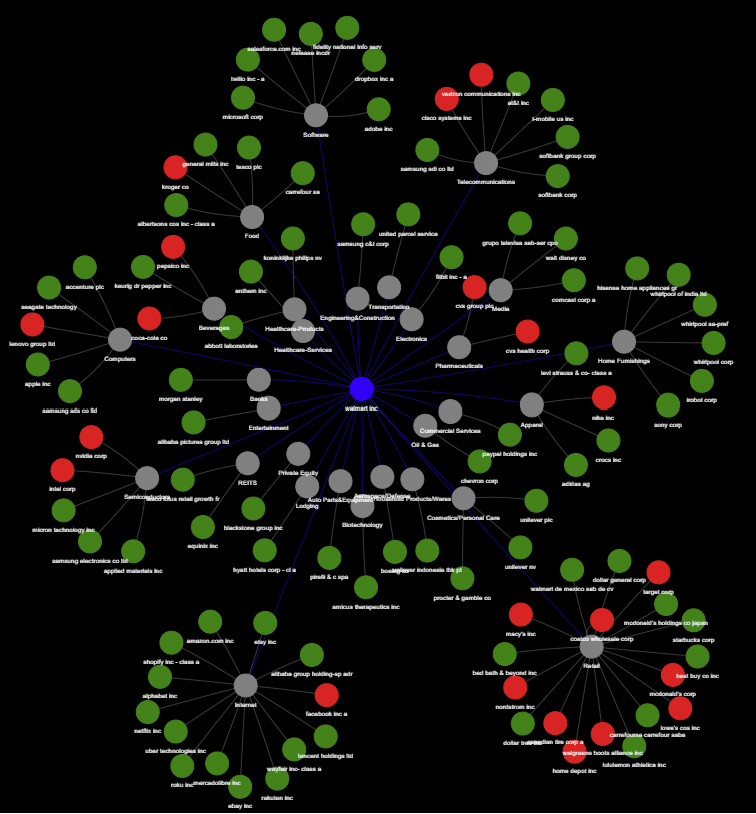
Above: Walmart supply chain links
One of the primary benefits of supply chain link mapping is proactive risk management. Permutable AI empowers businesses to identify potential vulnerabilities and risks within their supply chains, ranging from geopolitical issues to natural disasters and concerns about supplier reputation and reliability. Through our advanced mapping capabilities, organizations can develop robust strategies to ensure their supply chain relationships do not lead to irresponsible business behaviour, such as pollution, deforestation, poor labour standards, and other risks, and avoid being traced back to negative actors.
Tesco, the supermarket giant, faced allegations of contributing to deforestation in the Amazon rainforest due to their supply chain practices. These concerns stemmed from their supply chain links with companies in the soy industry, a major component of chicken feed. The soy used to feed livestock, including chickens, was sourced from regions associated with deforestation, such as the Amazon.
Starbucks, the global coffeehouse chain, has faced scrutiny over animal welfare concerns related to its sourcing of eggs. The focus is typically on the treatment of hens in the production of eggs used in Starbucks’ food products. This is due to the company’s supply chain links to suppliers using battery cages where they are confined in often terrible conditions.
Compliance with regulatory requirements and the integration of sustainable practices are integral aspects of responsible business operations. Permutable AI’s supply chain mapping not only aids in ensuring compliance but also facilitates the identification of areas for improvement in environmental and social responsibility. This not only meets regulatory requirements but also aligns businesses with the growing demand for sustainable practices, fostering a positive impact on both the environment and the brand’s reputation, thereby enhancing overall accountability.
The significance of supply chain mapping extends to robust and efficient due diligence processes, particularly in meeting the stringent regulations of the European Union and the United States. With increasing emphasis on transparency and accountability, businesses leveraging Permutable AI’s cutting-edge solutions can gain a strategic advantage in navigating the intricate landscape of compliance. This includes adherence to EU sustainability directives, responsible business practices, and alignment with evolving US regulatory frameworks. In essence, mapping supply chain links becomes a cornerstone for companies committed to fostering ethical practices and meeting regulatory standards.
Improving the transparency of supply chains through mapping are indispensable elements for businesses aiming at sustained success in a dynamic global environment. Our work at Permutable AI stands at the forefront of this transformative journey, providing innovative solutions that empower businesses to forge resilient, accountable, and transparent supply chains. As the paradigm of business responsibility evolves, we are here to work with you to steer your business towards a future where ethical practices and compliance are not just requirements but catalysts for enduring success.
Contact us below to find out more and explore how our technology can revolutionize your supply chain operations.
Permutable AI is proud to announces the launch of its latest innovation, the Supply Chain Links Monitor. This cutting-edge product marks a significant advancement in the field, offering a dynamic solution tailored to elevate supply chain due diligence and corporate transparency for professionals across various sectors.
The year 2024 heralds a transformative era for businesses, where the focus on transparent and responsible supply chains has become imperative. With regulatory shifts, such as the rigorous due diligence laws implemented by the EU, combined with heightened consumer awareness and investor pressure for ethical sourcing and environmental accountability, a critical inflection point has emerged. Navigating these converging currents requires businesses to prioritise supply chain transparency and proactive due diligence.
Permutable AI’s Supply Chain Links Monitor introduces three tiers of enterprise relationships, providing real-time feeds, customizable data windows, and an unparalleled level of supply chain transparency. This revolutionary tool delivers invaluable insights, empowering professionals to navigate sector supplier breakdowns, conduct threat analysis, and investigate relationships with precision.
Wilson Chan, Founder & CEO at Permutable AI, emphasises, “With Supply Chain Links Monitor, professionals can navigate the complexities of the supply chain landscape with unparalleled precision and transparency. It’s not just about monitoring suppliers; it’s about shaping the future of supply chain intelligence and fostering a more sustainable and compliant business environment.”
The Supply Chain Links Monitor comes in three versions – Free, Business, and Enterprise – each tailored to meet the diverse needs of professionals. Key features include real-time feeds, API access, and customizable date windows, making it an indispensable tool for decision-makers.
Free Version: Provides access to first-tier supplier and customer relationships with a sample data set of 118 companies and respective announcements. Use-cases encompass sector supplier breakdowns, threat identification, supplier relationship investigation, and source data analysis.
Business Version: Access to first and second-tier supplier and customer relationships, based on data scanned from 50,000 websites with a data set of 5,000 companies. Introduces a taxonomy filter including environmental, social, governance, and business categories, with full-page extracts, customizable date windows, and extended use-cases for new supplier announcements and M&A due diligence.
Enterprise Version: Offers a comprehensive and unlimited network degree, including suppliers, customers, and regulators. Enhanced scanning capabilities across 250,000 websites, providing information on 200,000 available companies. Expanded taxonomy filter with further customization options. Entire page extracts, real-time feed, API access, and customizable date windows mirror the business version’s use-cases.
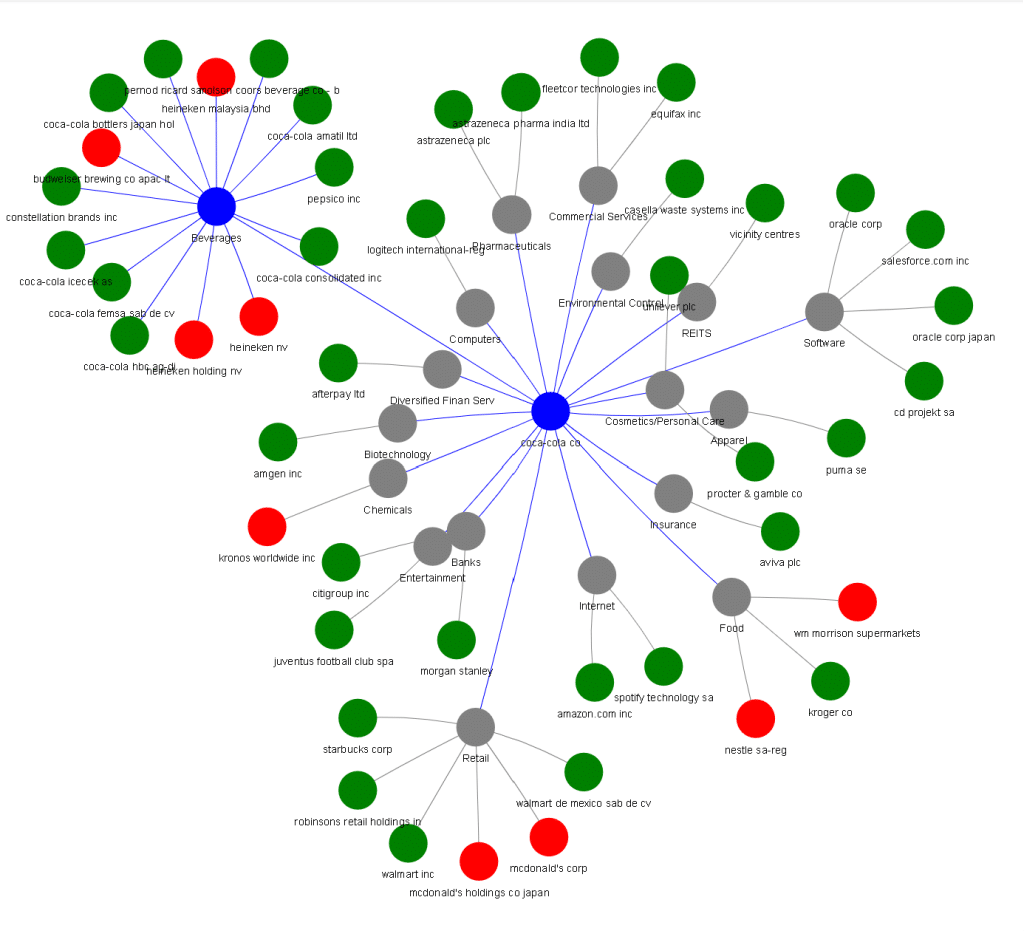
Above: Coca-Cola Supply Chain Links Monitor relationships
This breakthrough solution is available now empowering supply chain, compliance. corporates, M&A, private equity and public relations professionals to make informed decisions, and achieve a new level of corporate transparency in their supply chains and business decisions/take a more proactive approach to protecting their brand reputation. Permutable AI invites small enterprises and global corporations alike to unlock the potential of their business relationships with this groundbreaking tool.
Unlock the power of corporate transparency and intelligent supply chain management with Permutable AI’s Supply Chain Links Monitor. For more information, insights, or to explore our groundbreaking tool, fill in the form below or email us at enquiries@permutable.ai.
As the importance of Environmental, Social, and Governance factors continues to rise in the corporate landscape, the regulatory framework surrounding them is undergoing rapid evolution. In 2024, companies face a dynamic environment where staying informed about these regulations and their reporting requirements is crucial for ensuring compliance and harnessing the benefits of responsible business practices. This report aims to provide a comprehensive overview of key ESG regulations, reporting standards, and practical steps for companies to navigate this complex terrain.
Corporate Sustainability Reporting Directive (CSRD)
CSRD applies to: Large EU companies (over 250 employees) and listed SMEs.
Reporting Requirements:
Sustainability Finance Disclosure Regulation (SFDR)
SFDR applies to: Financial market participants in the EU, including asset managers, insurers, and investment advisors.
Reporting Requirements:
EU taxonomy applies to: Companies in the EU using the “green” label for financial products or activities.
Reporting Requirements:
German Supply Chain Due Diligence Act (LkSG)
Applies to: German companies with more than 2,000 employees or €400 million in annual turnover.
Reporting Requirements:
U.S. Securities and Exchange Commission (SEC)
Proposed Rule: Mandatory climate-related disclosures for publicly traded companies.
Reporting Requirements (Proposed):
Global Plastic Treaty
Potential Agreement in 2024: Sets global standards for plastic production, consumption, and waste management.
Reporting Requirements (Anticipated):
Increased Stakeholder Pressure
Expectations:
Development of International Standards
Initiative:
To effectively navigate the evolving ESG landscape, companies are advised to:
Proactive adherence to ESG regulations and stakeholder expectations positions companies to build trust, mitigate risks, and unlock opportunities for sustainable growth in 2024 and beyond. Given the complexity and dynamic nature of this field, seeking guidance from professional advisors specialised in ESG reporting is highly recommended for specific compliance and best practices.
Discover how Permutable AI can provide crucial data to highlight ESG and supply chain risks, preventing potential compliance issues. Navigate the dynamic regulatory landscape with confidence. Reach out via the form below to discuss how our data can help ensure your compliance and strengthen your ESG practices.
In today’s globalized world, understanding supply chain transparency is crucial for businesses seeking to combat greenwashing and truly embrace sustainable practices. This article delves into the impact of greenwashing on sustainable business, the importance of ethical sourcing and environmental responsibility, strategies for supply chain transparency, and collaborative efforts towards combatting greenwashing. Through case studies and discussions on the role of consumers, this article aims to shed light on the imperative of supply chain transparency in navigating sustainability.
Supply chain transparency refers to the visibility and traceability of products and processes throughout the entire supply chain. It encompasses the disclosure of information related to sourcing, manufacturing, and distribution, allowing stakeholders and consumers to make informed decisions about the products they support. Transparent supply chains enable businesses to identify and address environmental and ethical concerns, ultimately contributing to the advancement of sustainable practices. By understanding the intricacies of their supply chains, companies can proactively mitigate the risk of greenwashing and uphold their commitment to environmental and social responsibility.
Transparency in the supply chain also involves promoting open communication with suppliers, fostering relationships built on trust and accountability. Through clear and accessible reporting mechanisms, businesses can gain insights into their suppliers’ practices, ensuring alignment with sustainability goals. Additionally, understanding supply chain transparency enables companies to identify areas for improvement, implement corrective actions, and drive positive change across the entire supply network.
Greenwashing, a deceptive practice where companies convey a false impression of their environmental efforts, poses a significant threat to sustainable business. It undermines the credibility of genuine sustainability initiatives and misleads consumers who strive to make ethical purchasing decisions. The prevalence of greenwashing not only erodes consumer trust but also hinders the progress of authentic sustainability efforts. As a result, businesses must prioritize supply chain transparency to combat greenwashing and uphold their commitment to environmental stewardship.
Moreover, the impact of greenwashing extends beyond consumer perceptions, influencing regulatory compliance and stakeholder relationships. Companies found guilty of greenwashing face legal and reputational risks, potentially leading to financial repercussions and loss of market share. By understanding the detrimental effects of greenwashing, businesses can recognize the urgency of embracing transparent supply chains and genuine sustainable practices.
Ethical sourcing and environmental responsibility are integral components of supply chain transparency, shaping the foundation of sustainable business practices. Ethical sourcing entails the ethical treatment of workers, fair labor practices, and adherence to human rights standards throughout the supply chain. Similarly, environmental responsibility encompasses initiatives to minimize ecological impact, preserve natural resources, and reduce carbon emissions. By prioritizing ethical sourcing and environmental responsibility, businesses can establish a framework for sustainable operations, fostering positive social and environmental outcomes.
Furthermore, embracing ethical sourcing and environmental responsibility aligns with the growing demands of conscious consumers who seek products that reflect their values. As consumer awareness regarding ethical and environmental issues continues to rise, businesses that demonstrate a genuine commitment to these principles can gain a competitive edge and enhance brand loyalty. By integrating ethical sourcing and environmental responsibility into their supply chains, companies can not only mitigate the risk of greenwashing but also contribute to a more sustainable and equitable global economy.
Detecting greenwashing requires a comprehensive understanding of sustainable business practices, as well as the ability to scrutinize marketing claims and environmental assertions. Businesses can implement robust internal auditing processes, third-party certifications, and independent assessments to validate their sustainability claims and ensure transparency throughout their supply chains. By holding themselves accountable and actively seeking feedback from stakeholders, companies can demonstrate their commitment to combatting greenwashing and upholding the highest standards of corporate accountability.
Corporate accountability extends beyond the identification of greenwashing to encompass the proactive mitigation of environmental and ethical risks within the supply chain. By establishing clear codes of conduct, fostering transparency, and engaging in dialogue with suppliers, businesses can promote ethical behaviour and environmental stewardship throughout their supply networks. Through proactive measures and a commitment to corporate accountability, companies can safeguard their reputation, build trust with consumers, and contribute to the advancement of sustainable business practices.
Implementing supply chain transparency and sustainable practices requires a multifaceted approach that integrates ethical, environmental, and social considerations. Businesses can begin by conducting thorough assessments of their supply chains, identifying potential areas of improvement and risk mitigation. Establishing clear policies and guidelines for ethical sourcing, environmental responsibility, and transparency sets the groundwork for sustainable practices and fosters a culture of integrity within the organization.
Furthermore, collaboration with suppliers, industry partners, and stakeholders can facilitate the exchange of best practices and the alignment of sustainability goals. By engaging in open dialogue and sharing knowledge, businesses can drive collective efforts towards achieving greater supply chain transparency and advancing sustainable practices. Additionally, integrating sustainability metrics and key performance indicators (KPIs) into supply chain management systems enables companies to measure progress, track impact, and continually improve their sustainable initiatives.
The advancement of technology has presented businesses with an array of tools and solutions to enhance supply chain transparency and sustainability. From blockchain-enabled traceability platforms to data analytics and visualization tools, companies can leverage technology to gain real-time insights into their supply chains, identify potential risks, and monitor the environmental and social impact of their operations. Moreover, digital platforms and communication channels facilitate transparent collaboration with suppliers, enabling the exchange of information and the alignment of sustainability objectives.
In addition to technological solutions, the integration of sustainability management software and enterprise resource planning (ERP) systems can streamline the collection and analysis of sustainability data, empowering businesses to make informed decisions and drive continuous improvement. By embracing innovative tools and technologies, companies can elevate their supply chain transparency efforts, enhance sustainability performance, and meet the evolving expectations of stakeholders and consumers.
Several companies have demonstrated exemplary practices in supply chain transparency, setting a precedent for sustainable business operations. For instance, Patagonia, a renowned outdoor apparel brand, has established a comprehensive supply chain transparency program, providing detailed information about the factories and mills involved in the production of its garments. By openly sharing this information with consumers, Patagonia reinforces its commitment to ethical sourcing and environmental responsibility, fostering trust and loyalty among its customer base.
Another notable example is the collaboration between Nestlé and OpenSC, a blockchain platform that enables end-to-end traceability of food products. Through this partnership, Nestlé has enhanced supply chain transparency for its palm oil supply, allowing consumers to track the journey of the product from plantation to the final product. This initiative not only promotes transparency but also empowers consumers to make informed choices and hold companies accountable for their environmental and ethical practices.
Combatting greenwashing necessitates collective action and collaboration across industries, governments, and civil society. By joining forces, businesses can share best practices, advocate for regulatory frameworks that promote transparency, and work towards common sustainability goals. Collaborative initiatives, such as industry-wide sustainability standards, multi-stakeholder platforms, and partnerships for innovation, foster a culture of transparency and accountability, driving positive change across supply chains and market sectors.
Moreover, engaging in dialogue with non-governmental organizations (NGOs), sustainability advocates, and regulatory bodies enables businesses to stay abreast of emerging sustainability trends, address challenges, and contribute to the development of industry-wide solutions. By embracing collaborative efforts and leveraging collective expertise, companies can strengthen their supply chain transparency initiatives, build resilience against greenwashing, and contribute to the advancement of sustainable practices on a global scale.
Consumers play a pivotal role in driving the demand for supply chain transparency and sustainable practices. As awareness of environmental and ethical issues grows, consumers are increasingly seeking products that align with their values and support responsible businesses. By voicing their expectations for transparent supply chains and holding companies accountable for their sustainability claims, consumers exert influence on business practices and contribute to the promotion of genuine sustainability efforts.
Furthermore, consumer advocacy groups, social media activism, and ethical consumerism movements amplify the pressure on businesses to embrace supply chain transparency and uphold ethical and environmental standards. The collective voice of consumers serves as a catalyst for change, prompting businesses to prioritize sustainability, implement transparent supply chain practices, and engage in meaningful dialogue with their stakeholders. Ultimately, by empowering consumers with information and choices, businesses are motivated to embrace sustainable practices and combat greenwashing to meet evolving consumer expectations.
The imperative of supply chain transparency in combatting greenwashing cannot be overstated. Businesses must prioritize ethical sourcing, environmental responsibility, and corporate accountability to uphold genuine sustainability practices and regain consumer trust. By implementing strategies for supply chain transparency, leveraging tools and technologies, and engaging in collaborative efforts, companies can navigate sustainability with integrity and resilience.
Looking ahead, the future of sustainable business hinges on the continued advancement of supply chain transparency, driven by the collective efforts of businesses, consumers, and stakeholders. As the demand for ethical and sustainable products continues to rise, businesses that embrace transparent supply chains and genuine sustainability practices will thrive in a rapidly evolving market landscape. By fostering a culture of transparency, accountability, and innovation, companies can pave the way for a more sustainable future, where greenwashing is replaced by authentic and impactful sustainability initiatives.
Are you ready to revolutionize your supply chain and combat greenwashing? Discover how Permutable AI’s innovative supply chain monitoring and greenwashing detection framework can elevate your transparency efforts and drive genuine sustainability. Contact us to explore how we can tailor our expertise to meet your unique needs and contribute to a sustainable future or simply fill in the form below to speak to a specialist.
At Permutable AI, we are revolutionizing the way companies approach supply chain risk management and ESG due diligence. Our unique product offers a comprehensive solution that combines real-time insights from public news data with a focus on supply chain transparency and environmental, social, and governance (ESG) factors enabling more sustainable supply chains. In this update, we will delve into how our product differentiates itself from existing solutions, the data we provide, the companies currently benefiting from our data, major product milestones, and our plans for future enhancements.
Permutable AI’s supply chain risk management product stands out from existing solutions through its tailored approach to supply chain due diligence in the ESG space. While other offerings provide real-time insights from public news data, our product goes a step further by specifically addressing the unique challenges and requirements of ESG-specific supply chain analysis.
Traditional solutions, such as Refinitiv, lack the customization necessary for ESG-focused supply chain analysis. They often provide generic data and analysis that fail to capture the nuances of environmental, social, and governance factors within supply chains. In contrast, our product delves deep into the ESG landscape, enabling organizations to uncover critical insights and make informed decisions based on comprehensive and tailored information.
Services like Denied Party Screening by Thomson Reuters primarily focus on legal documents, leaving the environmental aspect of corporate due diligence overlooked. While legal compliance is important, it is equally crucial to consider the environmental impact of supply chains. Permutable AI’s solution addresses this gap by providing a holistic view that includes environmental risks, such as pollution, waste management, and carbon emissions, enabling organizations to proactively manage these factors in their supply chains.
Other solutions in the market, like ESGpedia from STACS, often provide limited metrics for their ratings, which restricts the scope of analysis. In contrast, our product offers a robust and comprehensive set of data and insights, covering a wide range of ESG factors relevant to supply chain due diligence. This breadth of information allows organizations to conduct thorough assessments, identify potential risks, and implement targeted strategies to improve their ESG performance.
By tailoring our product to address the specific needs of ESG-focused and sustainable supply chains, Permutable AI empowers organizations to go beyond generic assessments and embrace a more comprehensive and targeted approach. Our solution unlocks the potential for organizations to proactively manage ESG risks, enhance their sustainability efforts, and build more responsible and resilient supply chains.
In a rapidly changing business landscape where ESG considerations are becoming increasingly important, Permutable AI’s tailored supply chain due diligence solution provides a distinct advantage within the sustainable supply chain transformation market. It enables organizations to align their supply chains with their sustainability goals, mitigate risks, and gain a competitive edge in an ESG-driven marketplace.

Data Sourcing and Types of Data Provided
At Permutable AI, we understand the importance of reliable and comprehensive data in supply chain risk management and ESG due diligence. To deliver the highest quality insights to our clients who are looking to achieve sustainable supply chains, we employ a rigorous data sourcing process that involves extracting all public news data available concerning companies in our extensive database.
Our data collection encompasses a wide range of factors relevant to supply chain risk management and ESG considerations. This includes but is not limited to information related to supply chain risks, environmental practices, product liability, labour violations, regulatory compliance, sustainability initiatives, and corporate governance. By casting a wide net, we ensure that our clients have access to a diverse set of data points that can inform their decision-making and risk mitigation strategies.
We employ advanced technologies and algorithms to aggregate and analyze this data, allowing us to provide our clients with a comprehensive and real-time understanding of the ESG landscape. Our goal is to empower organizations with the knowledge they need to proactively identify potential risks, seize opportunities, and align their supply chains with sustainability goals.
By leveraging our extensive database and cutting-edge data analytics capabilities, we enable our clients to make informed decisions at every stage of their supply chains. Whether it’s assessing the environmental impact of suppliers, identifying labour violations, evaluating product liability risks, or monitoring regulatory compliance, our data provides valuable insights that support proactive risk management and sustainable practices.
Furthermore, our commitment to real-time data updates ensures that our clients stay up-to-date with the evolving ESG landscape. By continuously monitoring and analyzing relevant news sources, we capture the latest developments and trends, allowing organizations to adapt their strategies and address emerging risks in a timely manner.
With our robust data sourcing and comprehensive data coverage, Permutable AI equips organizations with the tools they need to navigate the complexities of supply chain risk management and ESG due diligence. By providing accurate, timely, and actionable data insights, we empower our clients to make informed decisions, enhance their sustainability practices, and build resilient and responsible supply chains.
We are proud to have a diverse range of companies utilizing our data to enhance their sustainability efforts. Permutable AI’s supply chain risk monitoring capability is highly valuable for a wide range of companies across different industries.
Companies operating in complex supply chains, such as manufacturing, logistics, retail, and e-commerce, have all benefited greatly from this innovative solution. Additionally, we are currently looking to expand our reach into organizations involved in critical sectors such as healthcare, pharmaceuticals, and food production, all of which require robust risk management to ensure the reliability and safety of their supply chains.
Our Fortune 500 and Global 2000 clients are heavily reliant on international suppliers and have been leverage Permutable AI’s solution to proactively identify and mitigate potential risks. Furthermore, businesses focused on sustainability and responsible sourcing are currently using our technology to enhance transparency and ethical practices within their supply chains.
Overall, any organization that recognizes the importance of proactive risk management and seeks to optimize supply chain operations and improve environmental and societal impacts can find substantial value in Permutable AI’s supply chain risk monitoring capability. It has also proven particularly effective in conducting supply chain due diligence when screening potential new suppliers as part of the onboarding process.
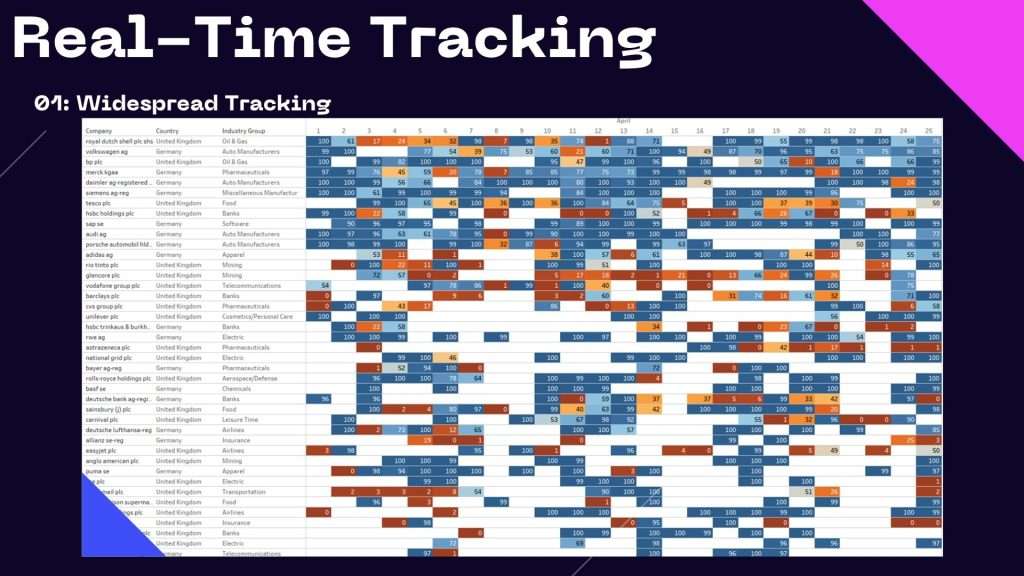
One of Permutable AI’s major product milestones in the field of supply chain risk management has been the successful sourcing of data from all company websites. This accomplishment marks a significant breakthrough in our ability to gather relevant and up-to-date information directly from the source. By aggregating data from various company websites, we can access critical details about suppliers, manufacturing processes, certifications, and other relevant factors that impact supply chain risk.
This direct sourcing approach ensures the accuracy and timeliness of the data we analyze, enabling us to provide comprehensive and real-time insights to our clients. This milestone not only enhances the effectiveness of our supply chain risk management solutions but also reinforces our commitment to delivering cutting-edge technologies that empower businesses to make informed decisions and mitigate potential risks in their supply chains.
Permutable AI’s journey with the early versions of our supply chain risk management product has provided us with invaluable insights. Two crucial lessons have emerged from this experience, shaping the evolution of our solution. Firstly, we have recognized the paramount importance of score explainability and data quality assurance to our clients. Understanding how risk scores are determined and ensuring the reliability of underlying data are key factors that instill trust and confidence in our product. We have invested significant effort in developing transparent scoring methods that can be easily comprehended and validated by our clients. Additionally, our rigorous data verification processes ensure the accuracy and integrity of the information we provide, enhancing the overall credibility of our risk analysis.
Secondly, we have learned that industry-specific dashboards play a pivotal role in meeting our clients’ unique needs. Recognizing that different sectors face distinct challenges and requirements, we have embraced the importance of tailoring our insights and analytics to specific industries. By customizing our dashboards to align with the characteristics and dynamics of different sectors, we empower our clients with targeted and actionable information. This industry-specific approach allows organizations to make informed decisions that are relevant to their specific context, ultimately driving more effective risk management strategies.
These learnings have driven our commitment to continuous improvement and innovation. By prioritizing score explainability, data quality assurance, and industry-specific dashboards, we ensure that our supply chain risk management solution delivers maximum value and impact to our diverse range of clients. Through ongoing refinement and customer collaboration, we strive to exceed expectations, addressing the evolving needs and challenges of the industries we serve.
Permutable AI’s supply chain risk management product offers a multitude of benefits to companies across various industries. By harnessing the power of our data and insights, organizations can effectively tackle a wide range of supply chain risks while fostering sustainable practices.
One significant advantage is the ability to address environmental damage. Our solution provides companies with the necessary tools to identify and mitigate environmental risks within their supply chains. By gaining visibility into the environmental practices of their suppliers, organizations can proactively address issues such as pollution, waste management, and carbon emissions. This empowers them to make informed decisions, implement corrective actions, and drive positive environmental change throughout their supply networks.
Another critical area of risk management is product liability. Our product enables companies to assess and monitor the quality and safety of their products at every stage of the supply chain. By identifying potential risks and ensuring compliance with regulations and industry standards, organizations can safeguard their brand reputation, mitigate legal and financial liabilities, and ultimately protect their customers.
Furthermore, our solution supports the adoption of sustainable practices by facilitating the onboarding of new supply chain providers aligned with sustainability goals. Companies can leverage our data and insights to evaluate potential partners based on their environmental, social, and governance performance. This helps companies build a more sustainable and responsible supply chain ecosystem, reducing their overall environmental impact and fostering long-term sustainability.
By utilizing Permutable AI’s supply chain risk management product, companies gain a competitive advantage. They can proactively manage risks, protect their brand reputation, and enhance stakeholder trust. Additionally, by creating more resilient and sustainable supply chains, organizations position themselves as leaders in sustainability and responsible business practices, meeting the growing expectations of customers, investors, and regulators.
At Permutable AI, we are committed to continuously improving our supply chain risk management product to meet the evolving needs of our clients. To further enrich our offering, we have identified two key enhancements that will provide even greater value and insights to companies.
The first enhancement involves integrating carbon emissions data and predictive tools into our existing platform. We recognize the growing importance of carbon footprint management and its significant impact on sustainability initiatives. By seamlessly integrating carbon emissions data, companies will gain a comprehensive understanding of their environmental impact throughout the supply chain. This integration will empower organizations to measure, track, and manage their carbon footprint effectively, enabling them to set and achieve ambitious sustainability goals.
The second enhancement focuses on incorporating industry-specific taxonomies, such as the Sustainability Accounting Standards Board (SASB) framework, into our product. We understand that each industry has unique sustainability challenges and metrics that require specific attention. By integrating industry-specific taxonomies, we will provide companies with deeper insights and benchmarks tailored to their specific sector. This will enable organizations to compare their performance against industry peers, identify areas for improvement, and make informed decisions based on industry best practices.
These enrichments to our product will empower companies to make more strategic and data-driven decisions in their supply chain risk management and sustainability efforts. By incorporating carbon emissions data and industry-specific taxonomies, we are equipping our clients with the tools and insights they need to navigate complex sustainability challenges and drive positive change within their industries.
We are excited about the potential of these enhancements and the value they will bring to our clients. At Permutable AI, we remain dedicated to staying at the forefront of innovation and providing cutting-edge solutions that empower companies to build resilient and sustainble supply chains. By continuously enriching our product, we are committed to helping organizations achieve their sustainability goals, enhance stakeholder trust, and create a positive impact on the planet.
Permutable AI is revolutionizing supply chain risk management and ESG due diligence with our unique product. By tailoring our solution specifically to supply chain due diligence in the ESG space, we offer distinct advantages over existing solutions. Our comprehensive data sourcing from company websites provides real-time insights on supply chain risks, environmental practices, product liability, labor violations, and more. This data empowers organizations to make informed decisions and mitigate potential risks.
We are proud to have a diverse range of companies benefiting from our data, including those in manufacturing, logistics, retail, e-commerce, healthcare, pharmaceuticals, and food production. Our Fortune 500 and Global 2000 clients rely on our solution to proactively identify and manage risks in their international supply chains. Moreover, companies focused on sustainability and responsible sourcing utilize our technology to enhance transparency and ethical practices.
Major product milestones, such as successfully sourcing data from all company websites, highlight our commitment to accuracy and timeliness. We have also learned valuable lessons from early versions, prioritizing score explainability, data quality assurance, and industry-specific dashboards. These insights drive our continuous improvement efforts.
Furthermore, Permutable AI’s product delivers substantial benefits to companies. It enables effective supply chain risk management, tackles environmental damage, ensures product quality and safety, and facilitates the development of sustainable supply chains. By leveraging our solution, companies gain a competitive advantage, enhance their reputation, and build resilient supply chains. Looking ahead, we aim to enrich our product by integrating carbon emissions data and industry-specific taxonomies. This will allow companies to measure and manage their carbon footprint effectively while gaining deeper insights and benchmarks relevant to their specific sector.
At Permutable AI, we are dedicated to helping companies achieve their sustainability goals, enhance stakeholder trust, and make a positive impact on the planet. Through continuous innovation and collaboration, we empower organizations to navigate complex supply chain challenges and drive positive change within their industries.
In an increasingly interconnected global economy, supply chains have become more complex, spanning multiple countries and involving numerous suppliers. With this complexity and increasing regulation comes the responsibility to ensure that human rights are respected throughout the supply chain. Identifying human rights risks is a crucial step in creating an ethical and sustainable supply chain. This article aims to provide insights into effective approaches and practical strategies for identifying human rights risks in your supply chain.
To effectively identify human rights risks, it is essential to have a comprehensive understanding of the range of human rights issues that can arise in a supply chain. These can include forced labour, child labour, unsafe working conditions, discrimination, and environmental degradation. Familiarize yourself with international human rights standards and conventions to develop a robust framework for assessing risks.
Mapping your supply chain is an important starting point for identifying potential human rights risks. Gain visibility into your suppliers, sub-contractors, and other stakeholders involved in the supply chain. Assess their geographical locations, labour practices, and potential exposure to high-risk areas or industries. This mapping exercise helps identify vulnerable points and enables targeted risk assessments.
Implement a systematic and ongoing process of risk assessments to identify potential human rights risks. This involves analyzing available data, engaging with suppliers and workers, and utilizing external resources such as audits and certifications. Evaluate each supplier’s policies, practices, and performance against human rights criteria. Prioritize high-risk areas and suppliers for more in-depth assessments.
Meaningful engagement with suppliers and stakeholders is vital in identifying human rights risks. Foster open communication channels to encourage dialogue and gain insights into their practices and challenges. Conduct regular site visits and worker interviews to gather first-hand information. Collaborate with industry associations, civil society organizations, and human rights experts to leverage their expertise and perspectives.
Harness the power of technology and data analytics to streamline and enhance the identification of human rights risks. Utilize advanced analytics tools to analyze large volumes of data, identify patterns, and detect potential risks. Consider leveraging emerging technologies such as artificial intelligence and machine learning to automate data analysis and identify human rights risks more efficiently.
Integrate human rights due diligence into your procurement and supplier management processes. Develop robust policies and codes of conduct that explicitly address human rights issues. Implement supplier screening mechanisms and incorporate human rights clauses into contracts. Regularly monitor and evaluate supplier compliance with human rights standards, utilizing performance indicators and key metrics.
Collaborate with industry peers, suppliers, and stakeholders to share best practices and knowledge. Engage in industry initiatives and partnerships aimed at promoting responsible supply chain practices. Participate in multi-stakeholder initiatives that focus on addressing human rights risks collectively. By sharing experiences and insights, companies can collectively enhance their ability to identify and mitigate human rights risks.
Identifying human rights risks in your supply chain can pose various challenges. Some of the key challenges include:
Lack of Supply Chain Transparency
Limited visibility and transparency within complex supply chains make it difficult to trace the origin of raw materials and track their journey through various tiers of suppliers. This opacity makes it challenging to assess the human rights practices at each level and identify potential risks.
Limited Supplier Cooperation
Some suppliers may be reluctant to provide detailed information about their operations or may resist external assessments. They may fear reputational damage or potential disruptions to their business. This lack of cooperation makes it challenging to obtain accurate data and insights into human rights risks.
Global and Cultural Differences
Supply chains often span across different countries and cultures, each with its unique legal frameworks, labour practices, and cultural norms. Understanding and addressing human rights risks in diverse contexts can be complex, requiring cross-cultural sensitivity and expertise.
Subcontracting and Outsourcing
Subcontracting and outsourcing practices further complicate the identification of human rights risks. Companies may have limited visibility and control over subcontractors or sub-tier suppliers, making it challenging to assess the working conditions and human rights practices at these levels.
Inadequate Data and Information
Access to reliable and comprehensive data on suppliers’ labour practices and human rights performance can be limited. Supplier-provided information may not always be accurate or verifiable, making it difficult to assess risks accurately. Additionally, data gaps or inconsistencies can hinder effective risk analysis.
Constantly Evolving Risks
Human rights risks are not static and can evolve over time. New risks may emerge due to changes in local regulations, political environments, or social contexts. Staying updated and continuously monitoring these evolving risks requires dedicated resources and ongoing due diligence.
Resource Constraints
Conducting comprehensive assessments of human rights risks in the supply chain requires significant resources, including financial, human, and technological capabilities. Small and medium-sized enterprises or companies with limited resources may face challenges in dedicating the necessary resources for thorough risk identification.
Addressing these challenges requires a proactive and multi-faceted approach. It involves engaging suppliers, leveraging technology and data analytics, collaborating with stakeholders, and adopting robust due diligence processes. Overcoming these challenges is crucial to creating more transparent, responsible, and sustainable supply chains that respect human rights.
At Permutable, we know that AI plays a pivotal role in identifying human rights risks in supply chains by augmenting traditional approaches and providing advanced capabilities. Here are some ways AI can contribute:
Data Analysis and Pattern Recognition
AI-powered algorithms can analyze large volumes of data from diverse sources, including supplier data, audits, news articles, and social media, to identify patterns and anomalies. By detecting indicators of potential human rights risks, AI enables more efficient and accurate risk assessment. At Permutable we use real-time monitoring to detect human rights risks as they break in local news sources, enabling real-time tracking of human rights violations and geo-location tagging.

Natural Language Processing (NLP)
NLP techniques allow AI systems to understand and extract information from unstructured data, such as supplier contracts, policies, and worker feedback. This enables companies to identify specific clauses, keywords, or sentiments that may indicate human rights violations or risky practices.
Supply Chain Mapping and Visualization
AI can facilitate supply chain mapping by integrating and analyzing data from multiple sources, including supplier databases and public records. Visualizing the supply chain network and the relationships within helps identify high-risk areas, such as regions with weak labour protections or suppliers with a history of violations.
Real-time Monitoring and Alerts
AI-powered monitoring systems like those provided as part of our supply chain risk monitoring dashboard can continuously track supplier performance, worker feedback, and external factors impacting human rights risks. This enables timely detection of potential violations or emerging risks, triggering alerts for immediate action and mitigation.
Predictive Analytics
By leveraging historical data and machine learning techniques, AI can predict future human rights risks in the supply chain. This enables companies to proactively allocate resources, implement preventive measures, and address potential risks before they escalate.
Supplier Risk Scoring
AI can assist in developing supplier risk scoring models by considering various factors, including supplier performance, compliance history, and external risk indicators. This automated scoring system helps prioritize suppliers for further assessment and focuses resources on high-risk areas.
Collaboration and Knowledge Sharing
AI platforms can facilitate collaboration and knowledge sharing among companies, industry associations, and other stakeholders. By pooling anonymized data and insights, AI systems can identify common human rights risks across industries and enable collective efforts to address these challenges.
While AI offers immense potential, it is important to acknowledge its limitations. AI models are only as good as the data they are trained on, and biases or data gaps can affect the accuracy of risk identification. Human expertise and ethical considerations should complement AI systems to ensure responsible and accountable decision-making.
By harnessing the power of AI, companies can enhance their ability to proactively identify human rights risks in the supply chain, prioritize actions, and drive positive change. This technology enables more efficient and effective risk management, paving the way for responsible sourcing practices and the protection of human rights throughout global supply chains.
Identifying human rights risks in the supply chain is a vital step towards building an ethical and sustainable business. By understanding the scope of human rights risks, mapping the supply chain, conducting risk assessments, engaging with stakeholders, leveraging technology, and integrating due diligence, companies can gain valuable insights into potential risks. This enables proactive and targeted actions to mitigate human rights risks, protect workers, and foster a responsible and resilient supply chain. Embracing a holistic approach and collaborating with stakeholders will not only enhance the reputation and credibility of companies but also contribute to a more equitable and just global economy.
Discover the power of Permutable’s real-time supply chain risk monitoring solution in identifying human rights risks within your supply chain. Our cutting-edge technology combines AI, data analytics, and continuous monitoring to provide unparalleled insights into your supply chain operations. With our supply chain risk monitoring capabilities, you can proactively identify and address potential human rights risks, ensuring responsible and ethical practices throughout your supply chain.
Take action today and get in touch with our team to learn more about how Permutable’s solution can help your organization navigate the complex landscape of supply chain risk management. Our experts will guide you through a personalized demonstration, showcasing the capabilities of our platform in identifying and mitigating human rights risks. Together, we can foster transparency, promote ethical sourcing, and safeguard human rights within your supply chain.
Don’t let human rights risks go unnoticed. Contact us now and take a crucial step towards building a responsible and sustainable supply chain that aligns with your values and meets global standards.
[wpforms id=”16023″ title=”false” description=”false”]
In a landmark move towards enhancing corporate responsibility, the European Parliament has approved a groundbreaking legislation on supply chain due diligence. This approval of the supply chain due diligence directive marks a significant shift in holding businesses accountable for their global supply chains. This article explores the key aspects and implications of the approved legislation, highlighting its potential to reshape corporate practices and promote sustainable supply chains.
The approved legislation aims to establish a mandatory supply chain due diligence framework across the European Union (EU). It requires companies operating in the EU to assess and address the environmental, social, and governance (ESG) risks associated with their supply chains. This extends to all stages of the supply chain, from sourcing raw materials to delivering finished products. By imposing legal obligations, the legislation sets a new standard for corporate accountability and transparency.
The legislation is driven by the need to address human rights violations, environmental degradation, and unethical practices prevalent in global supply chains. It recognizes that businesses bear a responsibility to ensure that their operations do not contribute to harm, exploitation, or environmental damage. By introducing mandatory due diligence, the EU aims to create a level playing field, encouraging ethical business practices and safeguarding the rights and well-being of workers and communities.
The legislation requires companies to conduct comprehensive risk assessments, identify potential adverse impacts, and implement mitigation measures. It emphasizes collaboration and engagement with suppliers, encouraging transparency and dialogue throughout the supply chain. Additionally, the legislation introduces provisions for effective grievance mechanisms, enabling workers and communities to report violations and seek redress. Non-compliance can result in penalties, including fines and exclusion from public procurement processes.
The approved legislation compels businesses to undertake a holistic reassessment of their supply chains. Companies will need to invest in systems, processes, and resources to ensure effective due diligence, traceability, and risk mitigation. While this may initially pose challenges, it also presents opportunities for innovation, collaboration, and responsible business practices. By embracing the legislation, businesses can enhance their brand reputation, build stronger relationships with stakeholders, and gain a competitive advantage in the marketplace.
The EU’s decision to introduce mandatory supply chain due diligence has the potential to influence global supply chains beyond its borders. As companies adapt their practices to comply with EU regulations, it will create a ripple effect, encouraging similar measures worldwide. This harmonization of due diligence standards can help address global challenges such as forced labour, deforestation, and environmental degradation, promoting sustainable development on a global scale.
As companies strive to get ready and comply with supply chain due diligence requirements, they may encounter several key challenges. These challenges include:
Supply Chain Complexity
Many companies operate complex and extensive global supply chains, involving multiple tiers of suppliers. Tracking and assessing the environmental, social, and governance impacts across these intricate networks can be a daunting task.
Data Collection and Verification
Gathering accurate and reliable data from suppliers throughout the supply chain can be challenging. Ensuring the authenticity and credibility of the data, especially from suppliers in different regions or with limited transparency, may pose significant hurdles.
Risk Assessment and Mitigation
Conducting comprehensive risk assessments across the supply chain requires expertise in identifying potential ESG risks. Developing effective mitigation strategies to address these risks demands resources, expertise, and collaboration with suppliers.
Collaboration and Engagement
Implementing supply chain due diligence often requires collaboration and engagement with suppliers. Building strong relationships, fostering transparency, and aligning sustainability goals with suppliers’ interests can be a complex process, especially when working with diverse stakeholders.
Compliance Monitoring and Reporting
Monitoring compliance with due diligence requirements and ensuring ongoing adherence is essential. Establishing robust reporting mechanisms, monitoring systems, and audit processes may require significant investment in resources, technology, and workforce capabilities.
Financial Implications
When we surveyed our LinkedIn community about the greatest challenges associated with implementing sustainable supply chain practices, over 56% said that the greatest barrier to implementing robust due diligence measures and addressing ESG risks was the additional costs for companies. Allocating resources for training, technology upgrades, supplier audits, and potential investments in sustainable alternatives can strain budgets and impact financial performance.
Stakeholder Expectations and Reputation Management
Meeting the expectations of stakeholders, including customers, investors, and civil society, is crucial for maintaining a positive brand image. Companies must manage reputational risks associated with supply chain practices and demonstrate their commitment to responsible business conduct.
Addressing these challenges requires a proactive and comprehensive approach. Companies must invest in capacity-building, engage in collaboration and knowledge-sharing initiatives, leverage technology solutions for data management and traceability, and establish effective communication channels with suppliers and stakeholders. By tackling these challenges head-on, companies can enhance their due diligence processes, mitigate risks, and drive sustainable practices throughout their supply chains.
AI plays a pivotal role in helping companies get ready and compliant with supply chain due diligence requirements. At Permutable AI, we have seen first hand from our work with our clients the powerful ways in which AI contributes to this process including:
Data Management and Analysis
AI enables companies to efficiently collect, manage, and analyze vast amounts of data from various sources within the supply chain. By leveraging machine learning algorithms, AI can automate data processing, identify patterns, and detect anomalies, facilitating comprehensive risk assessments and due diligence evaluations.
Supply Chain Visibility and Traceability
AI technologies, such as blockchain, enable enhanced supply chain visibility and traceability. By recording and verifying transactions in a decentralized and transparent manner, companies can ensure the integrity and accuracy of supply chain data. This enables the identification of potential ESG risks, such as human rights violations or environmental harm, and supports the implementation of targeted mitigation strategies.
Risk Prediction and Assessment
AI-powered analytics can assess historical data and identify trends, enabling companies to predict potential risks within their supply chains. By analyzing patterns and correlations, AI algorithms can highlight areas prone to risks, such as supplier non-compliance or resource scarcity, enabling companies to proactively address and mitigate those risks.
Supplier Evaluation and Monitoring
AI algorithms can evaluate suppliers based on predefined criteria and real-time data. This enables companies to assess suppliers’ ESG performance, track their compliance with due diligence requirements, and monitor their ongoing adherence to sustainability standards. AI-driven supplier evaluation tools facilitate the identification of high-risk suppliers and support decision-making regarding supplier relationships.
Compliance Automation and Reporting
AI technologies streamline compliance processes by automating data collection, verification, and reporting. This reduces manual effort, improves accuracy, and ensures consistent adherence to due diligence requirements. AI-powered reporting tools generate comprehensive and standardized reports, simplifying the reporting process and supporting companies in meeting their regulatory obligations.
Continuous Monitoring and Alerts
AI-powered systems can continuously monitor supply chain data and trigger alerts when deviations or potential risks are detected. This enables real-time responsiveness, allowing companies to promptly address emerging issues and take appropriate corrective actions.
Predictive Analytics for Sustainable Decision-making
AI models can analyze a wide range of data, including market trends, environmental data, and social indicators, to generate insights that inform sustainable decision-making. By leveraging predictive analytics, companies can anticipate future challenges, identify opportunities for improvement, and make data-driven decisions that align with their sustainability goals.
By harnessing the power of AI, companies can strengthen their supply chain due diligence efforts, enhance risk management capabilities, and drive sustainable practices. However, it is important to note that AI should be used as a tool to augment human expertise and not as a substitute for ethical decision-making and responsible business conduct.
The approval of the supply chain due diligence directive by the European Parliament signifies a paradigm shift in corporate responsibility. It sends a clear message that businesses must be accountable for the impact of their supply chains. The legislation not only protects workers and communities but also promotes sustainable business practices and contributes to a more equitable and sustainable global economy. As businesses adapt to comply with the new requirements, the stage is set for a transformative journey towards responsible and ethical supply chains.
Are you ready to seize the transformative potential of AI in light of the EU parliament’s approval of the supply chain due diligence directive? As the time for companies to act is now, we invite you to embark on a journey of innovation and embrace the boundless opportunities that our solutions offer.
Our real-time supply chain due diligence monitoring solution represents a groundbreaking approach that empowers businesses to adapt, learn, and evolve in real-time. By leveraging the power of AI, your supply chain can benefit from unparalleled flexibility and agility, enabling your company to stay ahead of the curve and thrive amidst the dynamic business landscape. Our state-of-the-art algorithms and adaptive models are meticulously designed to address complex challenges across diverse industries, from finance and healthcare to manufacturing and beyond.
Do not allow uncertainty and disruption to hinder your company’s progress and put it at risk of being non-compliant. With agile adaptation, rapid innovation, and intelligent automation at your fingertips, our team of experts stands ready to guide you through seamless integration of AI solutions tailored to your unique needs and industry requirements to drive success, resilience, and a sustainable competitive advantage. Together, let us shape a future where innovation flourishes, uncertainty transforms into opportunity, and your company leads the way.
[wpforms id=”16023″ title=”false” description=”false”]