Unpacking the latest silver market rally: A week of key developments at the close of Jan 2025
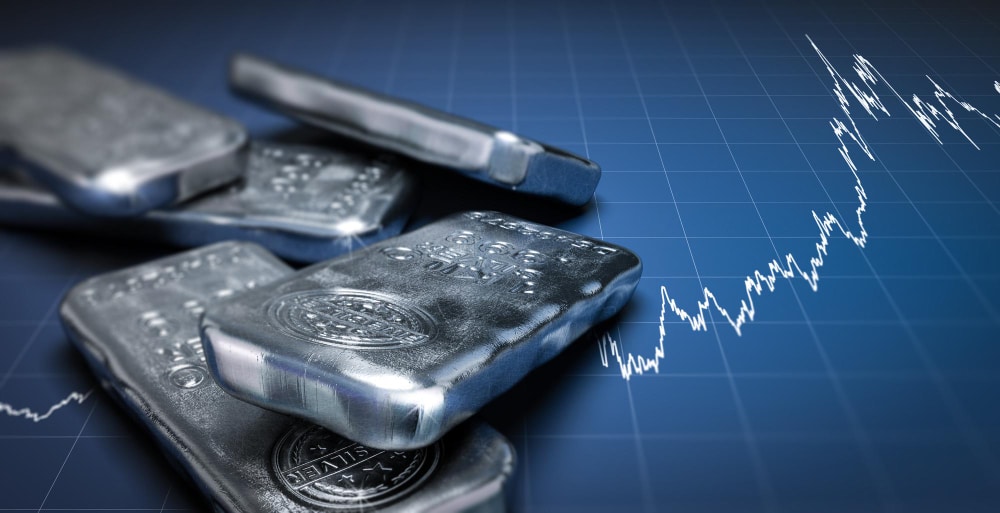
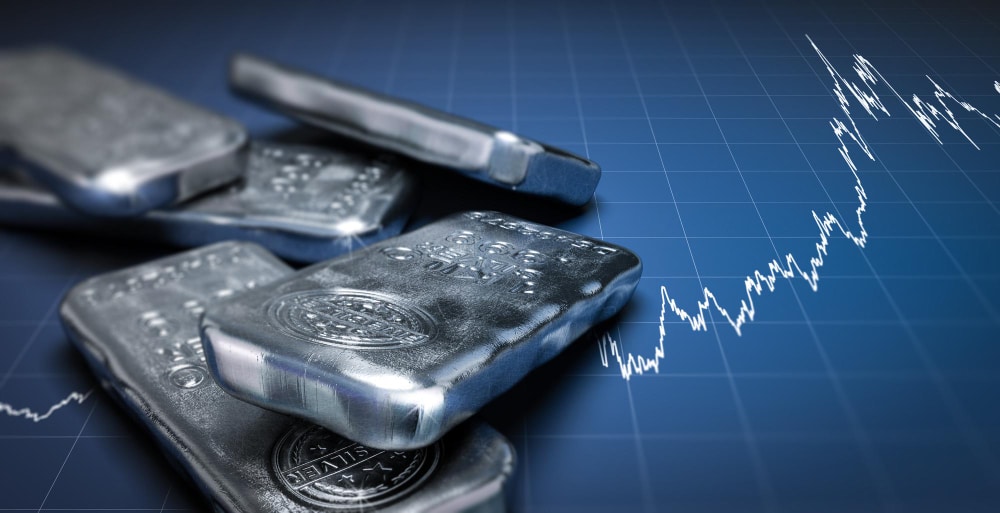
All eyes have been on  the silver market rally this week, with prices pushing. So what has been driving this latest upward trend? We break down the narratives that have shaped silver‘s latest upward trajectory.

silver market rally January 2025

Early week foundation for silver market rally 

The groundwork for this week’s silver market rally was laid on January 27th, when the IDB’s commitment to developing the silver economy in Latin America and the Caribbean set a positive tone for industrial demand expectations. Around the same time, reports of M23 rebels capturing Goma in Eastern Congo highlighted supply chain vulnerabilities in precious metals markets, adding a risk premium to prices. Our analysis shows that these geopolitical tensions, combined with existing supply constraints, created a powerful catalyst for upward price movement.

Emerging momentum 

Then, on January 28th, there where Trump’s warnings about potential metal tariffs which created additional market uncertainty. Whether it is these factors or broader macro conditions, the scene was set for a silver market  By January 29th, the narrative had evolved significantly. Quimbaya’s announcement of high-grade silver samples coincided with growing anticipation of interest rate relief, creating a perfect storm of positive catalysts. It used to be the case that such news might have limited impact, but in the current environment of supply constraints and monetary policy uncertainty, fueled gains. 

Meanwhile, Fresnillo’s report of doubled gross profits, highlighted the sector’s profitability in the higher price environment and suggested mining companies might struggle to rapidly increase output even at attractive price levels. And all of this was underpinned by the continued buying of silver by Commodity Trading Advisors, indicating strong investment interest and continued interest in demand for silver.

To add to this was on January 30th there was Glencore’s production update revealing lower metals output for 2024. There is debate about whether these supply constraints will persist, but looming over the market is a forecasted sizeable deficit throughout 2025. Our Trading Co-Pilot’s sentiment analysis shows that institutional investors are increasingly focused on this supply-demand imbalance, with many adjusting their positioning accordingly.

The compound effect of these developments – from production shortfalls to monetary policy expectations and geopolitical tensions – created a robust foundation for silver prices with a positive outlook. But despite all of this volatility remains an inherent characteristic of precious metals markets, with our analysis suggesting it would be prudent to maintain a positive bias while implementing appropriate risk management strategies. 

Navigate silver market events in real time with our Trading Co-Pilot

Every precious metals trader knows that catching the early signals of market movements can make the difference between profit and loss. Our Trading Co-Pilot platform identified and tracked every key development in this week’s silver rally as it unfolded – from the initial IDB announcement to Glencore’s production update (see above chart). 

Imagine having instant access to:

  • Real-time event detection across 50,000 news sources
  • Advanced sentiment analysis of market-moving developments
  • Clear visualisation of event impact on price movements
  • Comprehensive correlation tracking between related events
  • Early detection of emerging market narratives

Currently processing over 10,000 articles daily for commodities markets, with FX markets coming soon, our platform helps traders cut through the noise to identify what really matters. We don’t just aggregate news – we help you understand the evolving narrative behind price movements before they impact your trading decisions.

Ready to experience how Trading Co-Pilot can transform your market intelligence capabilities? We’re currently accepting expressions of interest from enterprise clients. Email enquiries@permutable.ai to schedule your personalised enterprise demonstration (subject to approval), or fill in the form below to learn more about how we’re reshaping market intelligence for traders.

Find out more 


7 powerful factors shaping the price of silver over time

This article explores the answer to the simple question: What drives the price of silver over time? At Permutable AI, we’ve dedicated considerable resources to understanding these dynamics through our AI-driven news sentiment analysis and also through our in-house testing of our Trading Co-Pilot (BETA), and we’re excited to share our insights with you.

First, let’s consider the role of inflation

As with most things in economics, the relationship between inflation and silver prices isn’t straightforward. Initially, one might assume that higher inflation always leads to higher silver prices. The reality is that while inflation often drives investors towards precious metals, other factors can complicate this relationship.

Inflation and its relationship to the price of silver over time 

As previously mentioned, one of the most significant factors affecting the price of silver over time is inflation. As a store of value, silver often sees increased demand during periods of high inflation or economic uncertainty. When fiat currencies lose purchasing power, investors tend to flock to precious metals as a hedge against inflation.

But look how this relationship played out historically. During the high inflation years of the late 1970s and early 1980s, silver prices reached unprecedented levels. However, it’s the same story on many economic indicators – the relationship isn’t always direct or predictable.

Interest rates – a balancing act

Which brings us to interest rates. There’s a reason why they play a crucial role in determining the price of silver over time. Generally, there’s an inverse relationship between interest rates and silver prices. When interest rates are low, the opportunity cost of holding non-yielding assets like silver decreases, making it more attractive to investors.

In stark contrast, when interest rates rise, investors might be tempted to move their money into interest-bearing assets. But while this might suggest a simple inverse correlation, our real-time news sentiment analysis against silver prices indicates a more nuanced relationship. These concerns also shape investor behaviour in complex ways, often influenced by broader economic outlooks and geopolitical tensions.

Technological and industrial demand 

Unlike gold, silver has significant industrial applications, which greatly influence its price over time. The demand for silver in various technologies has evolved dramatically over the years, creating interesting patterns in its price movements.

Now, nearly a century after the dawn of modern photography, silver’s industrial uses have shifted dramatically. Today, silver is a crucial component in solar panels, electronics, and medical applications. This isn’t just because of its conductive properties, but also due to its unique antibacterial characteristics.

As for the future of silver demand, you get a sense that the renewable energy sector, particularly solar power, will continue to be a major driver. All this means that we anticipate potential upward pressure on silver prices as the world moves towards cleaner energy solutions.

Supply dynamics

Now for an aspect that’s frequently overlooked: supply dynamics. Silver mining is often a byproduct of mining other metals, which means its supply isn’t always directly responsive to its price. In this scenario, changes in the production of base metals like copper, lead, and zinc can have significant impacts on silver supply and, consequently, its price.

Geopolitical factors influencing the price of silver over time

Ever since silver became a traded commodity, geopolitical events have caused sudden and dramatic shifts in its price. Trade tensions, political instability in major silver-producing countries, or global crises can lead to rapid price fluctuations. That sounds like a recipe for volatility, and indeed, it is.

Factors influencing the price of silver over time: An interplay of factors

One thing is clear, these insights show us that the price of silver over time is determined by the complex interplay of all these elements. At Permutable AI, we’ve developed sophisticated models that account for these multiple variables and their interactions, allowing us to provide more accurate insights into silver price trends which will be available through our Trading Co-Pilot.

Stay ahead with Permutable AI’s Trading Co-pilot

Understanding the factors that influence the price of silver over time is crucial for anyone involved in the precious metals market. The concern for people in the industry is not whether these factors matter, but how to effectively track and interpret them. And that’s before we address the challenge of turning this information into actionable trading strategies.

For now, our Trading Co-Pilot is exclusively available to select corporate BETA testers. If you’re interested in gaining early access to this powerful tool and supercharging your approach to silver trading, secure one of our limited spots by emailing enquiries@permutable.ai or contact us via the form below.

Get in touch


Disclaimer: The information provided by Permutable AI is for informational purposes only and does not constitute financial advice, investment advice, or a recommendation to buy, sell, or hold any securities. While we strive to provide accurate and up-to-date information, we do not guarantee the completeness, accuracy, or reliability of the data. All investments involve risks, including the loss of principal. Past performance is not indicative of future results. Users are advised to conduct their own independent research and consult with a licensed financial advisor before making any investment decisions. Permutable AI, its affiliates, or its employees shall not be held liable for any losses or damages resulting from reliance on the information provided.