Energy markets are becoming increasingly complex to navigate and as they continue to evolve, those who are able to stay ahead of increasingly volatile market dynamics will be, in our opinion, those who embrace AI-powered trading insights for energy markets. While the AI race continues to develop at a unprecedented rate – within energy markets particularly – technological strides are already fundamentally changing how traders operate. And all this is thanks to AI’s ability to process vast amounts of market data in real-time, offering powerful visibility into market movements, correlations and emerging patterns.
In this article we’ll take a brief look at some use cases of our AI-powered trading insights in energy markets, looking at how these can be using to predict price movements, reduce trading risk and unearth trade ideas.
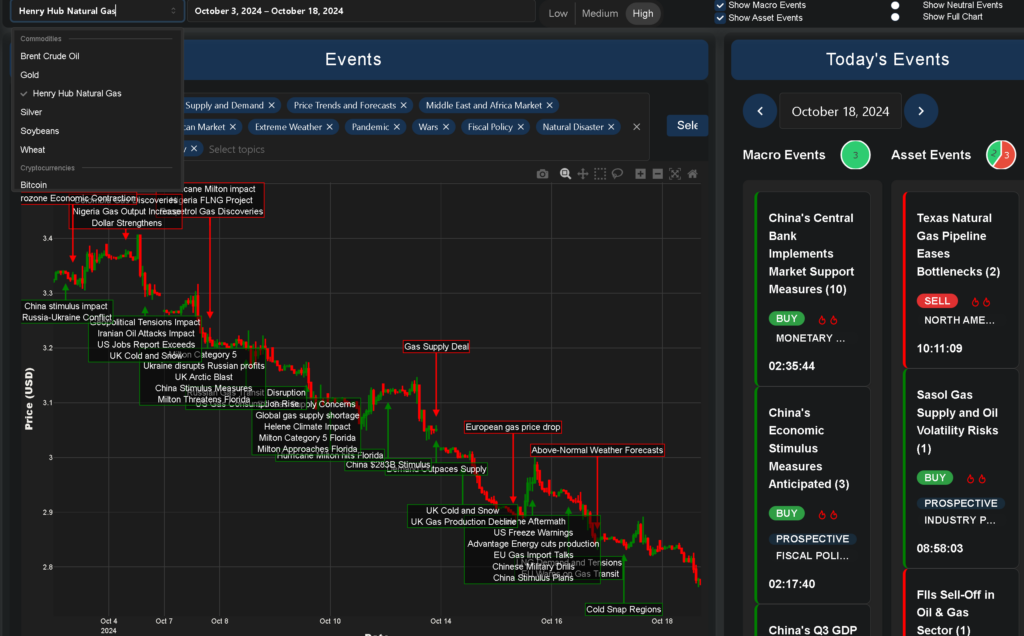
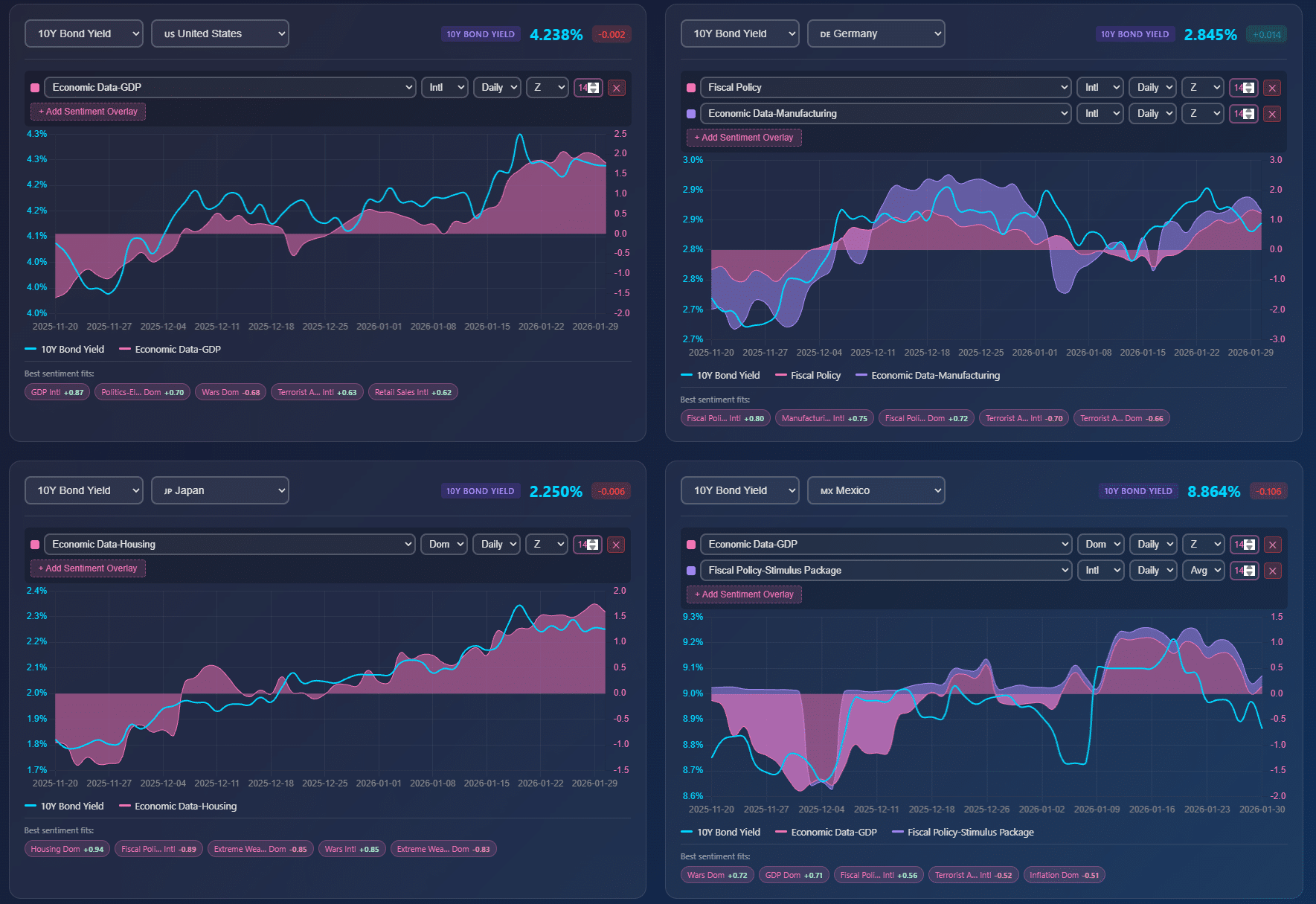
We think on of the most powerful applications of AI-powered trading insights in energy markets is in their ability to provide a 360 degree market view by simultaneously process multiple data streams. As an example, our Trading Co-Pilot platform analyses price movements, geopolitical events, and supply-demand dynamics in real-time, providing energy traders with comprehensive market intelligence, spotting trends before they become mainstream. Perhaps the most powerful aspect of this is that this analysis happens at a speed and scale impossible for even the best human traders and team of analysts to match.
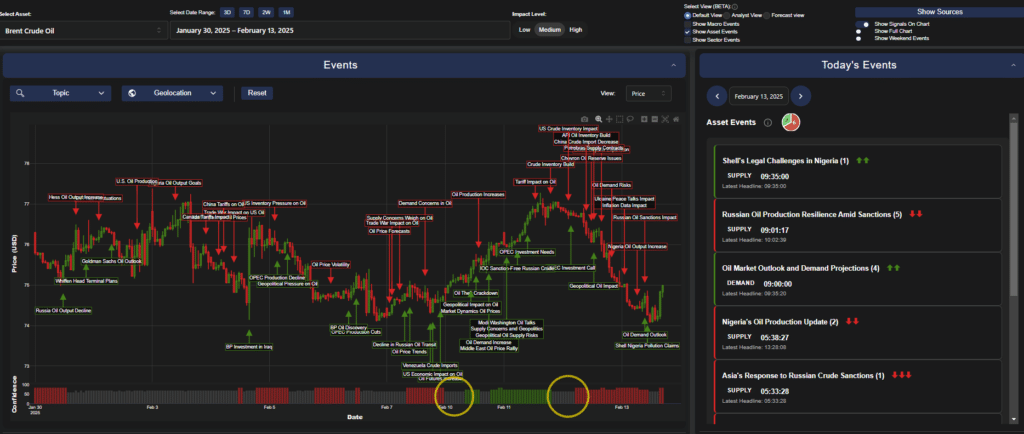
Coming back to the critical aspect of trading risk management, our AI-powered insights offer a powerful approach to risk assessment. Indeed, we’ve seen even the most experienced traders benefit from our system’s ability to identify potential risks before they materially impact the market. Here, the hard truth is that the vast majority of traditional risk management systems simply cannot match this predictive capability that our system is able to offer.
At this point, it’s worth noting how our AI-powered trading insights for energy markets provide crucial early warnings about supply chain disruptions. For example, our platform continuously monitors news on global shipping movements, refinery operations, and production facilities, instantly alerting traders to potential disruptions reported on in the news and how that could impact market sentiment and dynamics. That said, this real-time monitoring capability represents just one aspect of our broader value proposition.
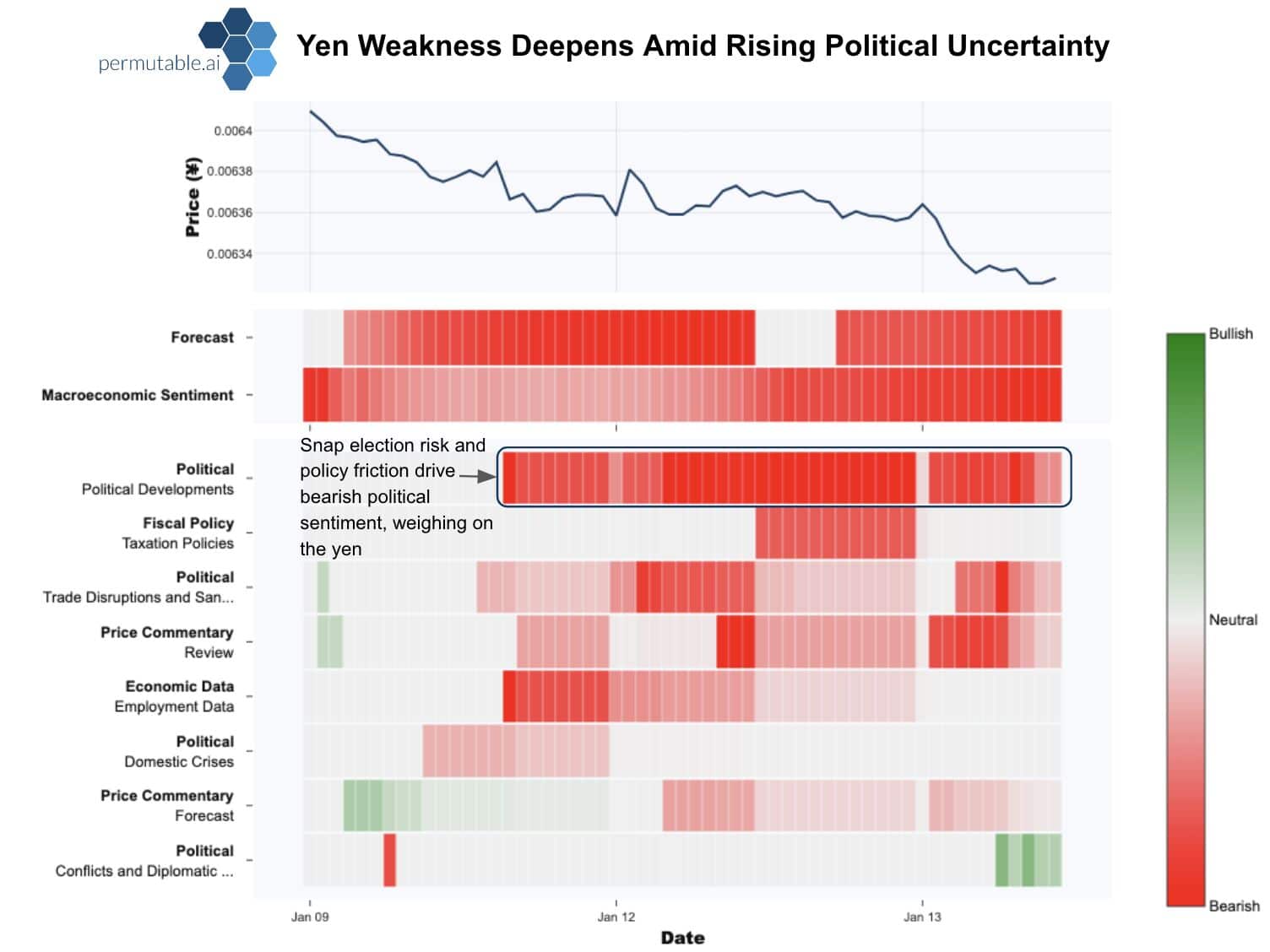
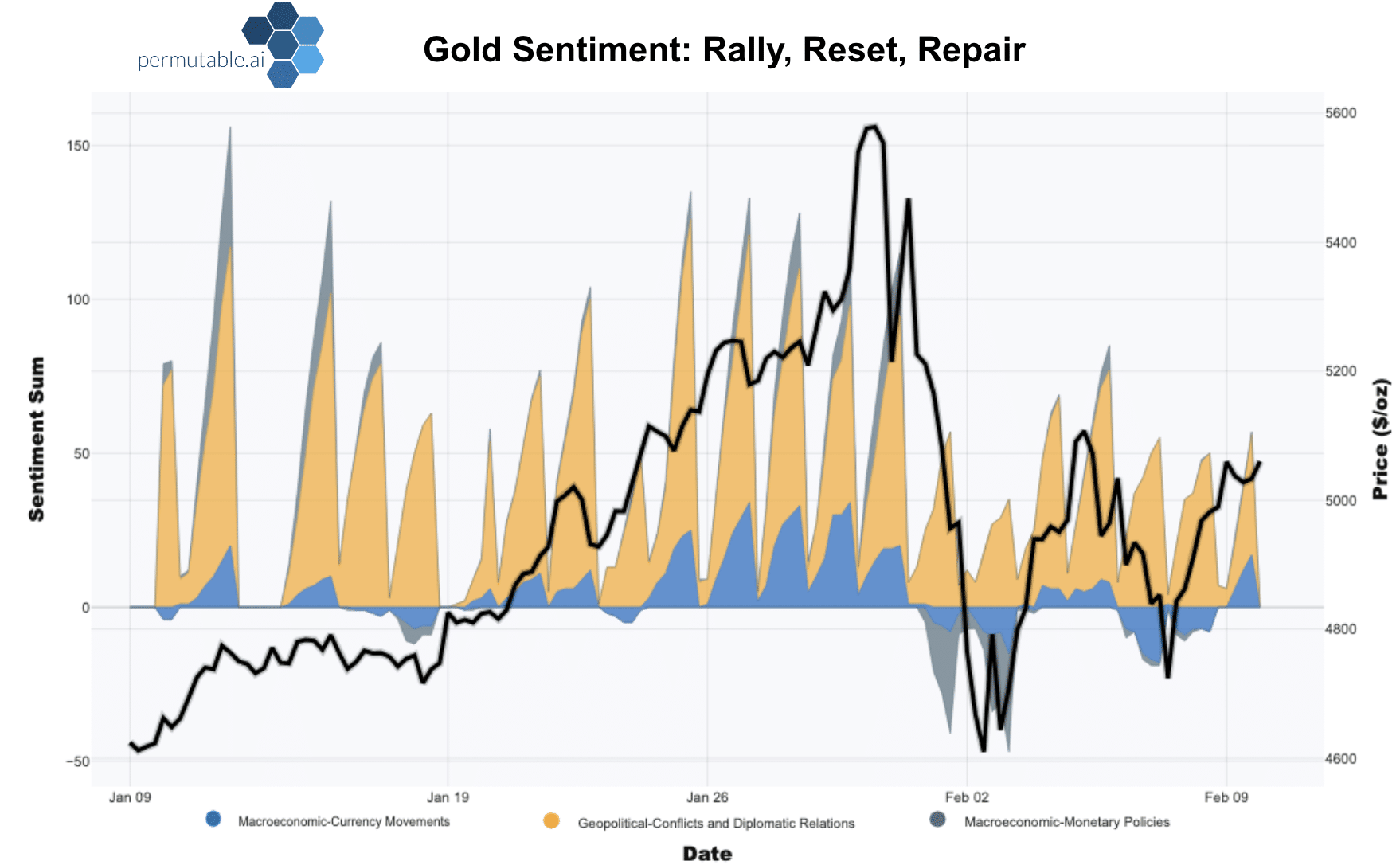
Perhaps then, we had better move onto just how vital it has become to understand how geopolitical events affect energy markets. Perhaps there is no guarantee, of course, that every political development will impact prices, but our AI systems excel at reducing noise and identifying which events truly matter. Contrary to common notions, not all political developments carry equal weight in energy markets. And it is our AI’s ability to decipher the most important events in terms of market impact through years of meticulously training which can provide some of the most powerful market insights available to energy traders.
How, then, does one incorporate weather patterns and their impacts into trading decisions? Well, our AI-powered trading insights for energy markets can process complex meteorological news, related sentiment and its potential impact on energy demand and supply. Even though energy traders now have access to more weather data than ever, the hard truth is that making sense of its impact on energy markets alongside a myriad of other market moving factors can be challenging to sat the least. However, the good news is that this is made light work of through our sophisticated AI analysis and the safe pair of hands it provides.
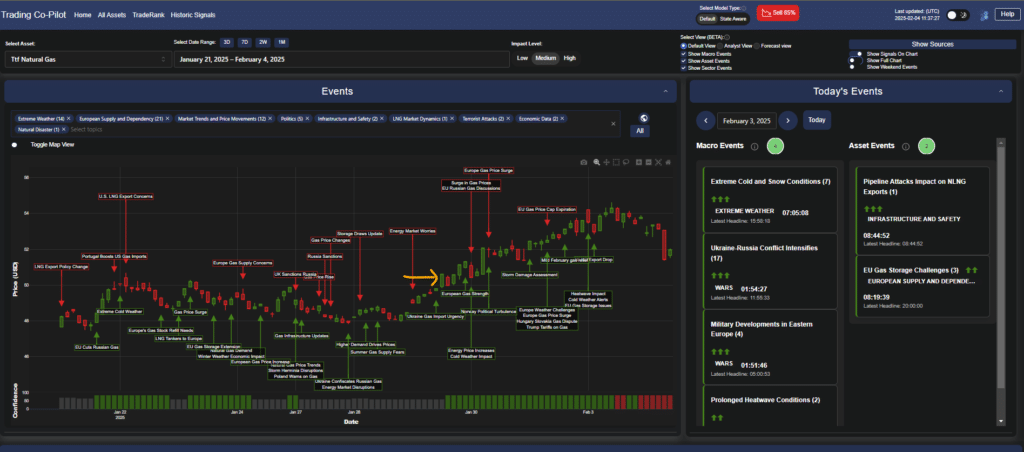
At the same time, regulatory announcements can dramatically shift market dynamics. Here, our AI systems not only monitor these announcements in real-time but also assess their potential market impact before it materialises. This means traders using our system are given early indication and advance warning of how specific regulatory changes might affect different aspects of the energy markets as stories unfold, from production quotas to environmental compliance requirements and everything in-between.
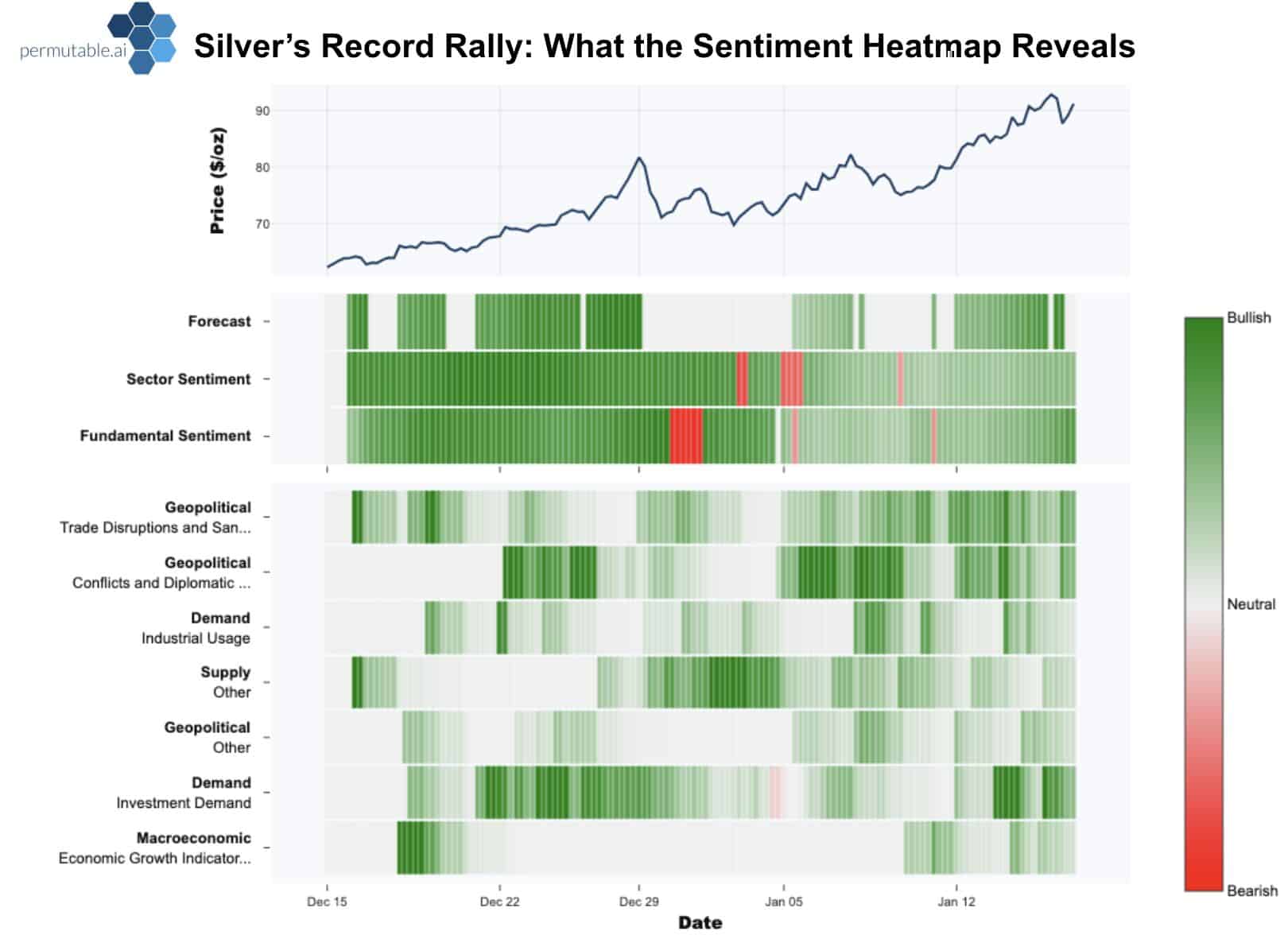
The vast majority of traditional trading systems struggle to effectively capture market sentiment and this is something our Trading Co-Pilot excels. Our AI-powered trading insights in energy markets provide analysis on various sentiment indicators, from social media to news reports, providing a comprehensive view of market psychology. Here, what truly sets our platform apart is its ability to contextualise sentiment data within broader market movements. For example, our AI systems can distinguish between temporary market noise and genuine sentiment shifts that could impact trading decisions. Perhaps more importantly, it’s able to analyse sentiment across multiple timeframes, from intraday movements to longer-term trends.
While appreciating the complexity of energy markets, identifying price anomalies and market dislocations becomes increasingly key. Our AI-powered trading insights for energy markets excel at surfacing unusual price movements and market behaviour patterns that might indicate trading opportunities. For example, our Trading Co-Pilot platform can identify price disparities across different energy products and geographical regions, spotting potential arbitrage opportunities before they become widely apparent. The vast majority of these opportunities require quick action, making our real-time alerting capability particularly valuable.
We are already seeing validation of our AI-powered trading insights from those energy trading houses who have already adopted them into their trading strategies. And so we know that, for energy markets, this represents more than just technological advancement. Instead, we believe that what we’re witnessing is a fundamental shift in how energy trading desks are operating. Some might say that this transformation is just beginning and in some ways it is – but we also believe the benefits are already clear.
To sum up, it’s clear to see that the starting point for successful energy trading has shifted to embracing these technological advances while maintaining human oversight. And as we continue to see rapid technological change, we know that the key to success for energy trading desks will lie in their ability to combine AI capabilities like ours, alongside human expertise.
Ready to transform your energy trading strategies with advanced AI analytics? Our Trading Co-Pilot is already helping leading energy firms navigate market complexity with unprecedented confidence and precision. And so, we would like to invite you to experience firsthand how our platform can enhance your trading operations through a personalised demonstration.
Qualified organisations can access a complimentary enterprise trial, where you’ll discover how our AI-powered platform delivers real-time market intelligence, identifies emerging opportunities before they become apparent, provides early warning of market-moving events, and offers sophisticated sentiment analysis and price anomaly detection.
Contact us today at enquiries@permutable.ai to arrange a personalised demo or request a free enterprise trial, or simply fill in the form below.
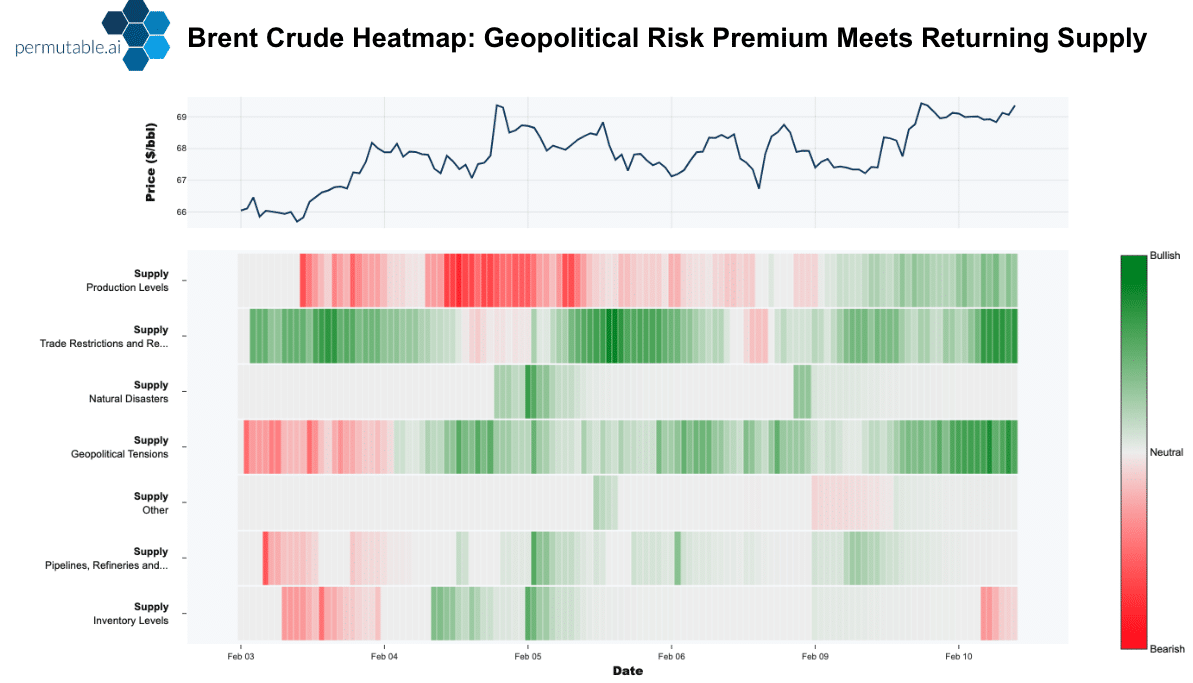
As we step into 2025, the oil markets continue to surprise even the most seasoned of traders. Let’s briefly look at the complex web of factors driving crude oil prices with insights taken from our Trading Co-Pilot in what promises to be another volatile year for energy markets.
Recent developments in the Crude Oil trading market indicate a decidedly bullish sentiment for Brent Crude. In terms of price action, we’re seeing consistent breaks above key resistance levels. The same applies to trading volumes, which have increased significantly since the start of the year.
And this is why traders are paying particularly close attention to inventory levels. Not long ago, U.S. crude stocks reported a dramatic fall of over 4 million barrels. According to sources within major trading houses, this substantial drawdown suggests a tightening supply situation that typically supports higher prices.
Everyone we speak to in the industry acknowledges the impact of current geopolitical tensions. Needless to say, the Israeli strikes against Yemen‘s Houthis have created significant supply disruption concerns. Except that this isn’t the only geopolitical factor in play.
The other element in the mix? Russian oil production has hit a 20-year low. We need to declare that this development alone would be significant enough to move markets. So when it emerged that Chinese factory activity was simultaneously showing signs of recovery, the bullish case became even stronger.
The trouble is – as we are all now well aware of – supply chain disruptions are becoming increasingly common. The good news is that market adaptation mechanisms are improving. It is claimed that oversupply concerns for 2025 could dampen price growth, and if it is the case that demand forecasts weaken, we might see some price corrections.
In this light, the Chinese economic recovery becomes even more crucial. How this will play out remains to be seen with some analysts erring on the side of caution, but there’s still plenty of evidence that demand growth will remain robust. Ultimately, this concern has three components for crude oil trading: economic growth rates, energy transition policies, and geopolitical stability.
And the bad news is that all of this is likely to create increased volatility. To address this, traders will need robust analytical frameworks and would do well to employ trading tech like our Trading Co-Pilot to help them navigate the path ahead. We would go so far as to say that if they don’t make progress on this front, they may very well find themselves struggling to navigate price swings that 2025 will likely bring.
Technical indicators are showing strong bullish momentum but there is no doubting the complexity of current market conditions. You can make the argument that traditional technical analysis alone won’t be sufficient in today’s environment.
The hardest part in all of this is distinguishing between genuine market signals and noise. Of course, there are things that can be done to improve signal quality, but the game changer will be integrated AI-driven analysis of the kind that we are bringing to traders already using our Trading Co-Pilot . For the avoidance of doubt, this doesn’t mean removing human judgment from the equation.
Then there is the challenge of increasing market fragmentation. The question is whether traditional trading strategies can keep pace with market evolution without embracing the latest tech tools.
As for price projections, you can’t argue with the fact that supply-side constraints remain significant. Everywhere you look, there are signs of market transformation. In a way, this makes traditional forecasting models less reliable.
And while it’s true that we can be reasonably confident about certain trends with the present outlook for oil prices suggesting continued upward pressure, at least in the short term. However, if experience tells us anything it’s that markets can change rapidly and nothing is guaranteed.
And what of those who put forward the argument that oil markets have become too complex to analyse effectively? We say that quite simply, to reclaim strength in this area, traders must embrace new analytical tools – such as that of our Trading Co-Pilot. And then, we must also acknowledge that traditional trading approaches may need updating.
This is not to say that fundamental analysis has lost its value. Not at all. It’s just that the truth is more complicated, and there are several areas where traditional and modern approaches can complement each other by fusing the analytical power of AI and human-decision making capabilities.
Last but not least, we must consider the broader context. Imagine too the potential impact of unexpected geopolitical events. If narratives shape politics, then we must be prepared for anything. We live in an age of highly volatile geopolitics, and oil markets reflect this reality.
Our analysis, powered by insights from our Trading Co-Pilot, suggests maintaining a cautiously bullish stance on oil prices for early 2025, while remaining alert to rapidly changing market conditions. The combination of technical indicators, fundamental factors, and geopolitical tensions supports this position, though careful risk management remains essential.
In today’s volatile energy markets, staying ahead requires more than just traditional trading tools. That’s why we’re offering qualified enterprise trading teams a unique opportunity: a complimentary one-month trial of our Trading Co-Pilot platform, the same technology already being used by some of the world’s leading energy trading houses.
During your trial period, you’ll gain complete access to our comprehensive suite of trading tools, including real-time market analysis, AI-powered trading agents specifically calibrated for energy markets, advanced volatility monitoring, and comprehensive social media sentiment analysis. Our platform seamlessly integrates with your existing trading infrastructure, while our technical team provides dedicated support to ensure you ensure the platform’s capabilities for your specific trading needs.
Join the growing number of major energy trading houses who are transforming their approach to market analysis and trading decisions. Whether you’re managing long-term positions or navigating daily market volatility, our Trading Co-Pilot provides the insights and analysis you need to trade with greater confidence and precision. Simply email enquiries@permutable.ai to request your free enterprise trial – subject to approval – or fill in the form below to get in touch.
DISCLAIMER
The information provided in this article is for informational purposes only and should not be considered as financial or investment advice. While the market insights presented are derived from our Trading Co-Pilot platform’s analysis, they represent a point-in-time assessment and should not be relied upon as the sole basis for any trading decisions. Markets are inherently risky, and past performance is not indicative of future results. We recommend consulting with qualified financial advisors for guidance tailored to your specific circumstances.
The natural gas market has a big impact on the global energy scene, powering homes, industries, and transportation. However, the natural gas price forecast can change a lot, due to things like world events and environmental rules. As the world moves towards greener energy options, it’s more important than ever for businesses, investors, and policymakers to understand where natural gas prices are headed.
In this article, we’ll look at what’s driving natural gas prices and share our thoughts on what’s coming in the next ten years for this commodity. We’ll check out supply and demand patterns political tensions around the world, and how green energy is shaking things up. This will help us paint a full picture of natural gas price forecast for the future.
At its core as a commodity, the natural gas price forecast follows the basic rules of supply and demand. In the past few years, people worldwide have used more natural gas. This increase comes from both developing and developed countries. Experts think this trend will keep going in Asia. Countries like China and India are building up their energy systems to meet their growing needs.
On the supply side, the market has seen big changes. In the U.S., the shale gas boom has caused a jump in natural gas production. This has turned the U.S. into a key seller of liquefied natural gas (LNG). This extra supply has kept prices down in North America.
But in other parts of the world, like Europe, the natural gas supply hasn’t been as reliable. This is because these areas depend on imports from Russia and the Middle East. This means that natural gas price predictions in these regions are more likely to change based on political conflicts and problems with supply routes.
Geopolitical tensions have a huge impact on the natural gas price forecast making it hard to predict. Natural gas often sparks international tension as such a valuable commodity, and when supply chains are disrupted, this inevitably leads to price hikes.
Look at the ongoing tensions between Russia and the West which is a price example of this. Russia, which pumps out tons of natural gas to export a large portion of this to Europe through big pipelines like Nord Stream. Now, political fights, sanctions, and concerns about having enough energy have pushed European countries to look for natural gas sources elsewhere. As a result, we’re buying more liquefied natural gas from the U.S., Qatar, as well as looking closer to home in Norway.
Likewise, the Middle East, with its vast natural gas reserves, remains an area of political unrest. Any unrest or interruption in this region can have an impact on the natural gas price forecast in Europe and Asia, which is highly dependent on these imports.
The worldwide move to clean energy has an impact on the long-term natural gas price forecast. With countries aiming to cut down their carbon output, many of them see natural gas as a likely “stepping stone” – it’s cleaner than coal and oil, but of course still creates some emissions. This shift is likely to slow down the rise in natural gas demand over time pushing prices. However, at the same time, it opens up new opportunities for gas to serve as a back up to green energy systems like wind and solar, which means it will still have an important role to play in the foreseeable. ch wind or sun.
The ability to unlock the potential of new tech has had a big influence on the natural gas price forecast. In the past few years innovations like fracking and sideways drilling, have led to a production boom in the U.S.. Much of these new methods have kept prices around the world pretty low by making more gas available. However, it’s also important to note that advances in technology also pose risks to the natural gas market. For instance better renewable energy tech, like more productive solar panels or wind turbines, could lessen the need for natural gas having an impact on long-term price predictions.
One thing that is abundantly clear is that there are a myriad of factors shaping the natural gas price forecast for the next ten years, from supply and demand patterns to global tensions and the shift in energy sources. Increasingly, geopolitical risks will keep driving price swings in areas that rely on imports. At the same time new tech in natural gas extraction and green energy will keep shaping supply and demand patterns.
At Permutable AI, our cutting-edge data give up-to-the-minute insights into these complex factors helping companies, investors and traders handle the unpredictable natural gas market. By keeping a close eye on world news and events, climate and tech trends, we are able offer a full picture of the forces that shape the natural gas price forecast.
Are you ready to be part of the future of trading? We’ve developing an exciting Trading Co-Pilot that leverages real-time event-driven news and price insights across global natural gas and other commodities using the latest cutting-edge AI technology. Currently, this is available to corporate trading partners but we are currently gauging interest for a broader roll out so please do fill in the form below to let us know if you’d like to find out more.
Today’s fast financial markets need more than standard analysis to stay competitive. AI in financial services is causing a revolution in how investors, analysts, and companies interpret market shifts. Sentiment analysis stands out as one of the most effective tools in this new age—an AI-driven method to analyze text data from different sources to measure public opinion and forecast market trends. This article looks at how sentiment analysis is changing daily market predictions giving investors a big advantage as they navigate the complex world of global finance.
Sentiment analysis also known as opinion mining, uses natural language processing (NLP), text analysis, and computational linguistics to find and extract subjective information from text. In financial markets, sentiment analysis looks at news articles social media posts, analyst reports, and other relevant texts to figure out the sentiment or emotional tone—positive, negative, or neutral—toward a specific stock, sector, or market.
This tech lets investors tap into the market’s overall mood giving them a deeper understanding of how different factors might shape market behaviour. By examining huge amounts of unstructured data in real-time, sentiment analysis can provide insights that traditional financial models often miss.
Daily market movements have many influences such as economic data, corporate earnings, geopolitical events, and investor sentiment. In the past, investors used fundamental and technical analysis to predict these movements. Now, sentiment analysis brings a new angle by capturing the market’s mood, which can signal where the market might go.
Take this example: sentiment analysis spots a jump in negative feelings about a company because of bad news. This could predict a fall in the company’s stock price even before the whole market reacts. On the flip side positive sentiment detected in news stories might point to a possible rise in a stock or sector.
A major benefit of sentiment analysis is its speed in processing data outpacing human capabilities. Markets shift in response to news, and the ability to grasp the mood behind this information can give investors a crucial edge. This matters a lot in today’s market environment where there’s a ton of information and often little time to act on it.
A few noteworthy examples show how sentiment analysis helps predict markets daily:
Traditional risk and trading systems were built for a world where prices reflected information gradually. That world no longer exists. Today, markets react to headlines, policy shifts and geopolitical developments within minutes, often before analysts or risk models have time to respond. By the time volatility rises or correlations break down, the opportunity to act early has already passed.
For market risk teams, this creates a persistent blind spot. VaR, stress testing and scenario models are inherently backward-looking, built on historical relationships that assume the future will resemble the past. But the most material risks facing portfolios today – energy supply shocks, elections, central bank rhetoric, sanctions, regulatory action and corporate events – originate outside the market itself. They start as information, narratives and signals in the real world before they ever show up in prices.
This is why forward-looking intelligence has become essential. Institutions increasingly require a continuous view of what is forming globally, not just what has already happened. External intelligence bridges that gap, transforming the world’s information flow into early warnings that risk and trading teams can act on with confidence.


Many sentiment providers stop at visual dashboards or generic scores. While useful for exploration, these tools rarely fit naturally into institutional workflows. Risk and trading teams do not need another screen to monitor; they need signals that integrate directly into the systems they already use.
At Permutable AI our sentiment intelligence is designed as infrastructure rather than software. Our intelligence is delivered as structured, machine-readable data that can feed directly into risk engines, internal models and trading systems. Instead of manually interpreting headlines, teams receive quantifiable indicators that can be incorporated into VaR overlays, stress scenarios, exposure monitoring and systematic strategies.
This shift from qualitative insight to model-ready data is critical. It means intelligence becomes operational, not observational. Signals are no longer something you look at – they are something your systems can act on automatically or flag in real time. For institutions operating at scale, this difference determines whether information is interesting or truly actionable.
At Permutable, we’re a leading provider bringing sentiment analysis to daily market forecasts. Our platform uses cutting-edge AI and machine learning systems to examine huge amounts of text data as it comes in giving investors and companies useful insights they can act on. As intelligence can be tailored to your needs letting you zero in on specific sectors, companies, or regions. This personalized approach makes sure the insights you get are spot-on for what you’re after boosting the power of your investment game plan.
On top of real-time sentiment tracking, we provide a look at how sentiment has changed over time. This helps you spot patterns and see how sentiment and market shifts line up. This big-picture view makes our data intelligence a must-have to keep you one step ahead in the always-changing world of finance.
As AI tech keeps getting better, sentiment analysis will play a bigger part in daily markets. With more data popping up every day, the need to and accurately make sense of this info will become even more crucial.
Looking ahead, we can expect sentiment analysis tools to get smarter grasping more complex language and context. This will lead to even more accurate predictions narrowing the gap between what people feel about the market and how it moves.
Also, as sentiment analysis becomes a bigger part of trading algorithms and financial models, it might have a larger impact on automated trading strategies. These changes could make markets more efficient, as predictions based on sentiment help smooth out some of the irrational behaviour that can happen when investors react to news.
Sentiment analysis is causing a revolution in how investors approach the daily market and related predictions. This AI-driven technology gives real-time insights into market sentiment offering a powerful tool to navigate the complexities of global finance. As the daily market becomes more data-driven, those who use sentiment analysis will be better prepared to anticipate and respond to market movements.
At Permutable AI, we want to help our clients get ahead. Our cutting-edge sentiment analysis gives you the insights you need to make smart choices in today’s fast-moving daily market. If you’re an institutional investor, a financial analyst, or a business leader, we can help you use AI to boost your investment strategies.
US Federal Reserve Chairman Jerome Powell’s announcement about upcoming interest rate cuts signals a key shift in the world’s economic scene. The Fed now aims to boost economic growth by lowering borrowing costs, after years of sharp rate increases to control inflation. This change comes as inflation in the United States seems to be moving towards the central bank’s 2% goal. Yet, this choice affects more than just the US. Countries worldwide are keeping a close eye on these changes and the United States inflation rate.
Jerome Powell’s speech at the Jackson Hole meeting points to a big shift in US monetary policy. The Fed, which had been hiking interest rates fast to fight the worst inflation in years now plans to cut these rates. US inflation hit 9.1% in June 2022 but fell to 2.9% in July 2024, so the central bank thinks it has a handle on price growth and can start to loosen its money stance. Powell also noted “downside risks” to jobs, with unemployment up a bit. This shows the Fed worries about the economy slowing down if tight money rules stay too long.
People expect the Fed to cut rates to keep the US economy from falling into a recession. When the Fed lowers interest rates, it tries to make borrowing cheaper for companies and consumers, which should boost economic activity. This is part of a bigger plan to achieve a “soft landing,” where inflation returns to normal without causing a major economic slump. But when and how fast these cuts happen will be key and will depend on ongoing economic numbers and risks.
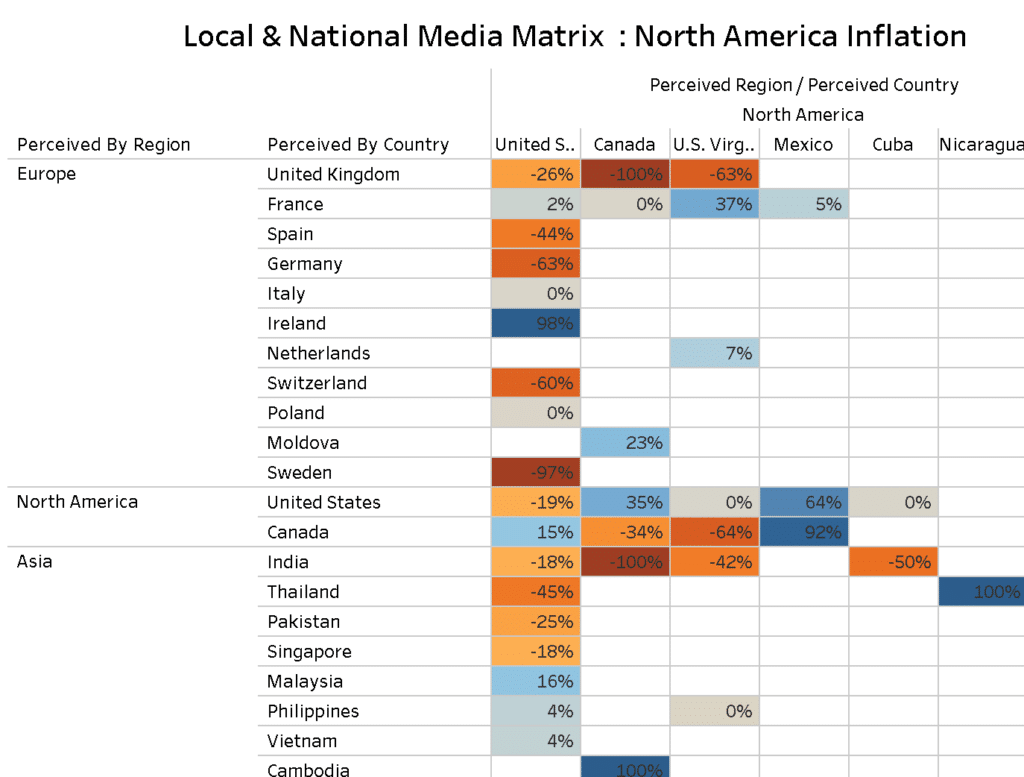
The US, as the world’s biggest economy, has a big influence on global financial markets. When it changes its monetary policy, like adjusting interest rates, this has widespread effects. The way different parts of the world see the United States inflation rate, based on our news sentiment analysis data taken from our Country Bias Matrix, part of our Geopolitical Dataset, gives us a good feel of how various regions view the situation.
In Europe, perceptions of US inflation vary significantly. Big economies like Germany and Spain mostly view the United States inflation rate negatively . They worry about how US economic policies might affect their own economies. Take Germany, for example. It relies heavily on international trade. It might be afraid that US inflation and high interest rates could make fewer people buy its goods. Spain has a similarly negative perception, suggesting it’s concerned about keeping its economy stable and how US inflation might impact the Eurozone.
Still, nations like Ireland stand out with a positive outlook maybe showing a more upbeat view of economic bounce-back and gains from trade across the Atlantic. This split in views within Europe highlights the ins and outs of the region’s economic scene where different countries feel the effects of US money policies in different ways and to different degrees.
Asian countries have different views on United States inflation rate. India and Thailand have a negative outlook because they worry about how the United States inflation rate and interest rates might affect money flows and exchange rates in their economies. A stronger US dollar backed by high interest rates, can cause money to leave emerging markets. This makes their currencies weaker and increases the cost of imports key products like oil.
Vietnam however, sees US inflation in a positive light. This suggests they feel good about their economic ties with the US and might see chances for trade and investment. These different views across Asia show how various economies think about and get ready for the effects of US policies. Their unique economic links and dependencies shape these outlooks.
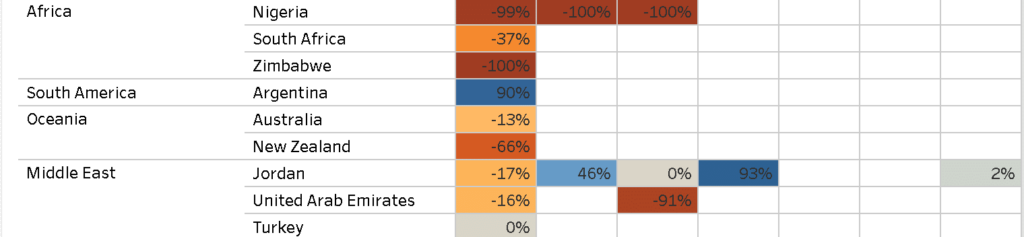
In Africa, people see US inflation as bad news in countries like Nigeria and Zimbabwe. These countries already face significant money problems. They think the US inflation and the interest rates that come with it make their economic troubles worse, making it harder for them to handle debt and get new investments.
Oceania, including Australia and New Zealand also has a negative view. These countries depend a lot on global trade. They worry that US economic choices will affect global demand and the prices of raw materials. This matters a lot to their economies, which rely on selling goods to other countries.
North America shows a split in views. The US has a mixed outlook, with both good and bad sentiment about inflation. This divide shows the wider argument in the US about how inflation and Fed policies affect different parts of the economy.
Canada also has a mix of bad and good views. This is likely because it’s so tied to the US economy. Changes in US inflation and interest rates shape Canadian economic factors, from trade balance to how strong the currency is.
The US Federal Reserve’s choice to reduce interest rates is set to have a big impact on world money markets. Countries that don’t see US inflation in a good light, like those in Africa and some parts of Europe and Asia, might worry about ups and downs in money flows, currency rates, and economic steadiness. These countries may need to take steps to protect their economies from possible shocks.
On the flip side, countries with a brighter view such as Ireland and Vietnam, might see the Fed’s moves as a chance to build stronger economic bonds with the US. They could take advantage of cheaper loans and the better economic outlook in the world’s biggest economy.
As the US Federal Reserve prepares to lower interest rates, the world economy keeps a close eye feeling both excited and worried. The different views shown by our Country Bias Matrix show how complex and linked today’s global economy is. For leaders and companies around the world, it’s key to understand these views to handle the ups and downs that will come as the Fed starts this new phase in how it manages money. Ultimately, the US’s chance to pull off a “soft landing” will not test its own economy but also signal how stable the world economy might be in the coming years.
If you’re interested in understanding more about how global perceptions of inflation or other market factors can influence geopolitical dynamics, or if you want to explore our comprehensive geopolitical intelligence offerings, reach out to us. To discover how our cutting-edge data insights can help your business stay ahead of global trends and make informed decisions in an ever-changing economic landscape simply email us at enquiries@permutable.ai or fill out the form below.
Recency bias is a psychological phenomenon that affects the decision-making process of investors. It refers to the tendency of individuals to place more importance on recent events or information when making investment decisions, rather than considering the long-term historical data. This bias can have a significant impact on investment strategies and can lead to suboptimal outcomes.
Investors often fall into the trap of recency bias because of a natural human tendency to give more weight to recent experiences. When faced with a choice between investing in a stock that has performed well in the past few weeks or one that has shown consistent growth over several years, many investors tend to choose the former. This bias can be detrimental, as it may cause investors to overlook valuable opportunities or make impulsive decisions based on short-term fluctuations.
Recency bias stems from the way our brains process and interpret information. The human mind is wired to give more attention to recent events due to their perceived relevance and immediacy. This bias is reinforced by the availability heuristic, where individuals rely on easily accessible information rather than conducting a comprehensive analysis. As a result, investors tend to focus on recent market trends or news stories, which may not necessarily reflect the long-term performance of an investment.
Additionally, recency bias is amplified by emotional factors such as fear and greed. When markets are experiencing volatility, investors may be more inclined to sell their holdings based on recent losses rather than considering the overall performance of their portfolio. Similarly, during periods of market euphoria, investors may be tempted to chase after recent high-performing stocks, disregarding the potential risks involved.
Recency bias can be observed in various aspects of the investment world. For instance, investors often flock to sectors or asset classes that have recently outperformed others, hoping to ride the wave of success. This behavior can lead to overcrowding in certain areas of the market, which may eventually result in a bubble and subsequent market correction.
Recency bias can influence investment decisions on an individual stock level. If a company has recently released positive earnings results or announced a groundbreaking product, investors may become overly optimistic and overlook potential red flags in the company’s financials or industry trends.
The impact of recency bias on investment decision-making can be far-reaching. By focusing solely on recent events or trends, investors may miss out on long-term investment opportunities. This bias can lead to a short-term mindset that hinders the ability to build a well-diversified and resilient portfolio.
Furthermore, recency bias can contribute to increased market volatility. As more investors make decisions based on short-term movements, the market becomes prone to exaggerated price swings. This can create a self-reinforcing cycle, where investors react to short-term fluctuations, causing further market instability.
Proximity bias is closely related to recency bias and refers to the tendency to give more weight to information or events that are geographically or temporally closer to us. In the context of investment strategies, this bias can lead investors to favor local or recent investment opportunities, disregarding potentially more lucrative options elsewhere.
Investors who succumb to proximity bias may miss out on international investment opportunities or fail to diversify their portfolio across different regions. To overcome proximity bias, it is essential to consider a global perspective and conduct thorough research on investment opportunities beyond one’s immediate surroundings.
There are several strategies investors can employ to mitigate the impact of recency bias on their investment decisions. Firstly, maintaining a disciplined investment approach based on a well-defined investment plan can help counteract the temptation to make impulsive decisions based on recent events. This involves setting clear investment goals, diversifying the portfolio, and adhering to a long-term strategy.
Secondly, conducting thorough research and analysis is crucial to overcome recency bias. By examining historical data, fundamental analysis, and macroeconomic factors, investors can gain a comprehensive understanding of the investment landscape and make informed decisions based on long-term trends rather than short-term noise.
Several successful investment strategies have managed to avoid the pitfalls of recency bias. One notable example is the value investing approach employed by legendary investor Warren Buffett. By focusing on the intrinsic value of companies rather than short-term market fluctuations, Buffett has been able to identify undervalued stocks with long-term growth potential.
Another example is the approach taken by index fund investors. These investors aim to replicate the performance of a specific market index rather than trying to beat it. By diversifying across a broad range of stocks and sectors, index fund investors mitigate the impact of recency bias and focus on long-term market trends.
Recognizing and overcoming recency bias is crucial for successful investment strategies. At Permutable we have trained our AI model to provide an accurate representation of the prominence of events in the media. The inherent biases of recency and proximity that affect human perception are mitigated through the meticulous analysis conducted by our model. By delving into historically stored news data, our model identifies patterns and trends, allowing for a more nuanced and objective assessment of media coverage.
Our carefully trained AI model addresses these biases by harnessing the power of historical data. Unlike humans who might be swayed by what is trending in the present moment, our model delves into vast reservoirs of archived news. By analysing patterns over time, the model identifies trends in media coverage that might not align with immediate perceptions influenced by recency and proximity biases.
One of the key strengths of our model lies in its ability to provide historical context. By considering the ebb and flow of media attention over an extended period, the model discerns underlying patterns that might be obscured by short-term biases. This historical context is invaluable in offering a more balanced and accurate portrayal of events, allowing users to make informed decisions without being unduly influenced by the latest media frenzy.
The applications of our model extend across various industries where an unbiased understanding of media coverage is crucial. In finance, for instance, where market sentiment is often influenced by media reports, our model can provide investors with a more objective view of events, free from the distortions of recency and proximity biases.
Similarly, in public relations and crisis management, understanding the historical context of media coverage allows for more strategic decision-making. By comprehending how events have been portrayed in the media over time, organisations can tailor their responses to align with broader narratives, steering clear of knee-jerk reactions driven by short-term biases, charting a course towards a more nuanced understanding of events, unburdened by the limitations of recency and proximity biases.
Recency bias can have a profound impact on investment strategies, leading to suboptimal decisions and increased market volatility. By understanding the psychology behind this bias, recognizing its presence in investment decision-making, and implementing strategies to mitigate its influence, investors can improve their long-term investment outcomes.
Adopting a long-term perspective, diversifying investments, conducting thorough research, and seeking guidance from financial advisors are key steps in addressing recency bias. By doing so, investors can build resilient portfolios that are better positioned to weather short-term market fluctuations and capitalize on long-term growth opportunities.
Recognizing and addressing recency bias is not only crucial for individual investors but also for financial institutions and policymakers. By promoting investor education and awareness of biases, the investment industry can foster a more informed and rational approach to decision-making, ultimately benefiting both investors and the broader economy.
Are you ready to elevate your corporate investment or trading strategy? At Permutable, we understand the challenges posed by recency bias in investment decision-making. Our AI-driven solutions are meticulously designed to offer a balanced and accurate analysis, free from the distortions of recency and proximity biases. By leveraging historical data and identifying long-term trends, our model helps investors make informed decisions, ensuring a well-diversified and resilient portfolio.
Want to secure a more stable and profitable future? We’re here to guide you every step of the way. Contact us at enquiries@permutable.ai or complete the form below to explore further.